The Vital Role of Strength Training During Menopause

Menopause is a natural phase in a woman’s life, marking the end of her reproductive years. Alongside hormonal changes, menopause brings about various physical and emotional shifts. While it’s a time of transition, it’s also an opportunity for women to prioritize their health and well-being. One particularly effective way to navigate this stage with strength and resilience is through regular strength training. In this article, we’ll explore the profound benefits of strength training during menopause and how it can empower women to thrive during this transformative period.

Understanding Menopause and its Effects:

Menopause typically occurs in a woman’s late 40s to early 50s, although the exact timing can vary. It is characterized by a decline in estrogen and progesterone levels, leading to symptoms such as hot flashes, mood swings, weight gain, and decreased bone density. These changes can significantly impact a woman’s physical and emotional health, making it crucial to adopt strategies to mitigate their effects.

The Role of Strength Training:

Strength training, also known as resistance or weight training, involves using resistance to improve muscle strength, endurance, and overall fitness. While aerobic exercise like walking or cycling is beneficial, strength training offers unique advantages, especially during menopause.

  • Preserving Muscle Mass: During menopause, women are at a higher risk of losing muscle mass due to hormonal changes and decreased physical activity. Strength training helps counteract this loss by stimulating muscle growth and maintenance, preserving strength and functionality as women age.
  • Boosting Metabolism: As women age, their metabolism naturally slows down, making it easier to gain weight and harder to lose it. Strength training increases muscle mass, which in turn raises resting metabolic rate, helping women burn more calories even at rest. This can be particularly beneficial for managing weight during menopause.
  • Enhancing Bone Health: Estrogen plays a crucial role in maintaining bone density, and its decline during menopause puts women at greater risk of osteoporosis and fractures. Weight-bearing exercises like strength training help stimulate bone growth and strengthen existing bone, reducing the risk of osteoporosis and promoting long-term bone health.
  • Improving Mood and Mental Health: Menopause can bring about mood swings, anxiety, and depression due to hormonal fluctuations and changes in self-image. Strength training has been shown to release endorphins, neurotransmitters that promote feelings of happiness and well-being, while also reducing stress and anxiety levels.
  • Increasing Confidence and Empowerment: Engaging in regular strength training can empower women by helping them feel stronger, more capable, and more confident in their bodies. As women navigate the changes of menopause, having a sense of physical strength and resilience can positively impact their self-esteem and overall quality of life.

Getting Started with Strength Training:

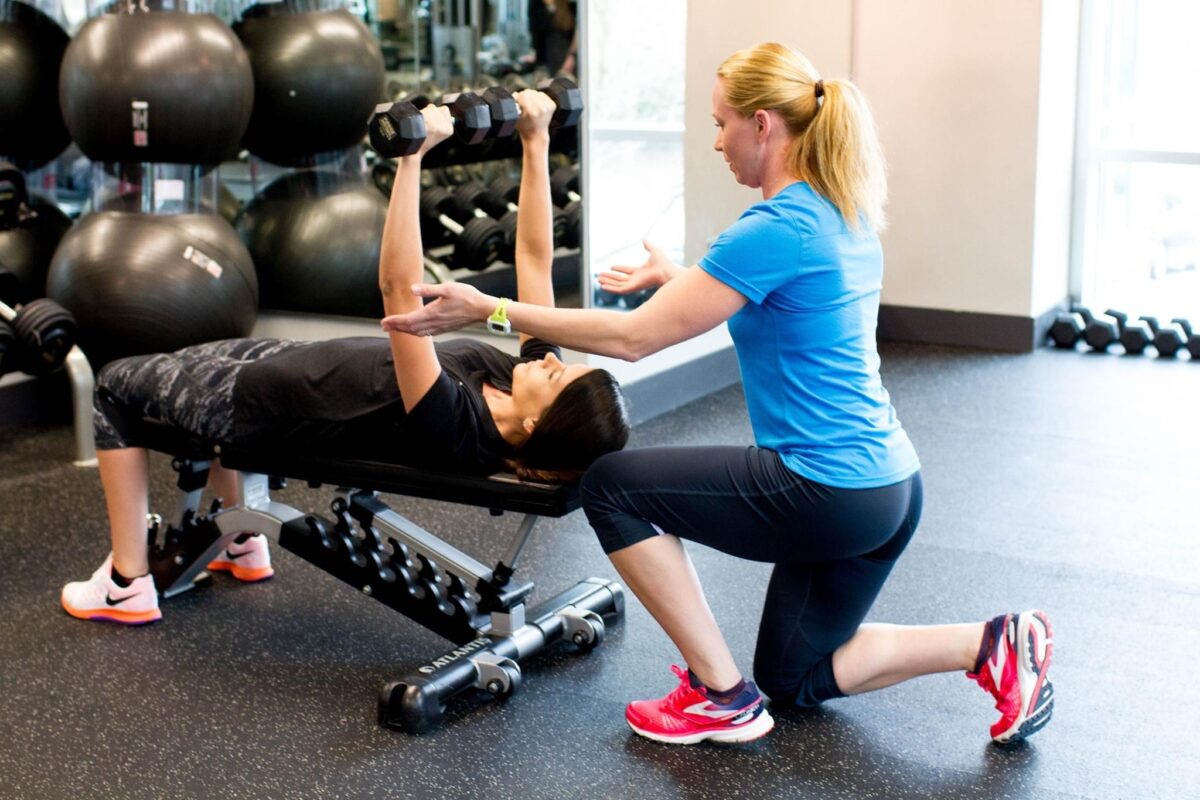
If you’re new to strength training, it’s essential to start slowly and gradually increase the intensity and frequency of your workouts. Consider working with a certified personal trainer who can design a safe and effective strength training program tailored to your needs and goals.

Focus on compound exercises that target multiple muscle groups, such as squats, lunges, deadlifts, push-ups, and rows. Aim to strength train at least two to three times per week, allowing for rest days in between sessions to allow your muscles to recover and grow stronger.

Listen to your body and make adjustments as needed, especially if you experience any discomfort or pain during exercise. Remember that consistency is key, and over time, you’ll likely notice improvements in strength, endurance, and overall well-being.

Conclusion:

Strength training is a powerful tool for women navigating the challenges of menopause. By preserving muscle mass, boosting metabolism, enhancing bone health, improving mood, and increasing confidence, strength training empowers women to embrace this transformative phase with strength and resilience. Whether you’re new to exercise or a seasoned fitness enthusiast, incorporating strength training into your routine can help you thrive during menopause and beyond. Embrace the journey, prioritize your health, and discover the transformative benefits of strength training for women in menopause.

Contact us today at Core Results to begin your strength training journey with a plan that’s specific to your body and your goals!

Building a Strong Foundation: The Importance of Stability Training

In the world of fitness, it’s easy to get caught up in the pursuit of bigger muscles, faster times, or more weight lifted. While these goals certainly have their place, there’s one crucial aspect of fitness that often gets overlooked: stability. 

Here at Core Results, we believe that stability training is the foundation upon which all other fitness goals are built. Whether you’re a seasoned athlete or just starting your fitness journey, prioritizing stability can enhance your performance, prevent injuries, and improve overall quality of life.

So, what exactly is stability training, and why is it so important?

Simply put, stability training focuses on strengthening the muscles that support and stabilize your joints. These muscles are often smaller and deeper than the ones targeted in traditional strength training exercises, but they play a vital role in keeping your body balanced and functioning optimally.

Here are just a few reasons why stability training should be a key component of your fitness routine:

1. **Injury Prevention:** By strengthening the muscles around your joints, stability training helps reduce the risk of injuries, especially those caused by imbalances or weak stabilizers. Whether you’re a runner, weightlifter, or weekend warrior, a stable foundation can help you move more efficiently and safely.

2. **Improved Performance:** Whether you’re hitting the tennis court or simply chasing after your kids, stability training can enhance your overall athletic performance. By improving balance, coordination, and proprioception (the body’s awareness of its position in space), you’ll move more confidently and effectively in any activity.

3. **Core Strength:** While many people associate core strength with six-pack abs, true core strength goes beyond surface-level muscles. Stability training targets the deep stabilizers of the core, helping to improve posture, spine alignment, and overall stability from the inside out.

4. **Functional Fitness:** Stability training isn’t just about looking good in the mirror; it’s about building strength that translates to real-life movements. Whether you’re bending down to pick up groceries or reaching for a high shelf, a strong foundation of stability will support you in everyday activities.

5.  **Better Posture**: Poor posture is a common issue stemming from weak stabilizing muscles and prolonged periods of sitting. Stability training targets the muscles responsible for maintaining proper posture, helping you stand taller, reduce back pain, and move with ease and confidence.

At Core Results, we’re passionate about helping our clients reach their fitness goals safely and effectively. That’s why we incorporate stability training into every aspect of our programming, from one-on-one sessions to group classes.

Whether you’re rehabilitating from an injury, looking to improve your athletic performance, or simply wanting to move and feel better in your body, stability training can help you reach new heights in your fitness journey.

So, if you’re ready to build a strong foundation for a healthier, more active lifestyle, we invite you to join us at Core Results. Together, we’ll make stability training the cornerstone of your fitness success.

Strengthen Your Journey: The Importance of Combining Strength Training with Weight Loss Drugs

Today, we’re delving into a topic that merges the worlds of strength training and pharmacology: GLP-1 weight loss drugs (Ozempic, Mounjaro etc.). Despite the recent hype, GLP-1 drugs by themselves aren’t necessary a magic pill for a healthy lifestyle. We’re going to dive into the intriguing intersection of the importance of exercise (specifically strength training) and weight loss drugs.  As proponents of holistic health and fitness, we believe in exploring all avenues to help our clients achieve their goals.

According to the latest research, a study published in Cardiovascular Diabetology in February 2023, these medications are not a comprehensive treatment by themselves.  However, they can be used alongside exercise to amplify results and support metabolic balance along with promoting a healthy lifestyle.

GLP-1 weight loss drugs work by mimicking the effects of a naturally occurring hormone in the body called GLP-1 (glucagon-like peptide-1). They can help regulate appetite, reduce food intake, and promote feelings of fullness, making them a valuable tool for individuals struggling with weight management.

Strength training has long been celebrated for its numerous health benefits, from increasing muscle mass and bone density to improving metabolism and boosting mood. It’s a cornerstone of any well-rounded fitness routine, and for good reason. But what happens when you combine the power of strength training with the potential benefits of GLP-1 weight loss drugs? Let’s explore.

Now, let’s talk synergy. When you pair strength training with GLP-1 weight loss drugs, you’re combining two potent forces for achieving your weight loss and fitness goals. Here’s why it works:

  • Metabolic Boost: Strength training revs up your metabolism, helping you burn more calories throughout the day. When combined with GLP-1 weight loss drugs, which can also have metabolic benefits, you’re maximizing your body’s ability to torch unwanted fat.
  • Muscle Preservation: One concern with weight loss is the potential loss of muscle mass along with fat. However, regular strength training helps preserve lean muscle tissue, ensuring that the weight you lose comes primarily from fat stores. This is crucial for maintaining a healthy body composition and preventing the dreaded “skinny fat” look.
  • Appetite Regulation: GLP-1 weight loss drugs can help curb cravings and control appetite, making it easier to stick to a healthy eating plan. When combined with the mood-boosting effects of exercise, including strength training, you’re more likely to make nutritious food choices and resist temptation.
  • Long-Term Success: Sustainability is key to any weight loss journey. By incorporating strength training into your routine alongside GLP-1 weight loss drugs, you’re building a foundation for long-term success. Strength training isn’t just about shedding pounds; it’s about building strength, confidence, and resilience both in and out of the gym.

At Core Results, we’re here to support you every step of the way on your fitness journey. Whether you’re just starting out or looking to take your workouts to the next level, our experienced trainers can tailor a program to suit your individual needs and goals.

Before embarking on any new fitness or medication regimen, it’s important to consult with your healthcare provider to ensure it’s safe and appropriate for you. Once you have the green light, we’ll be here to help you maximize your results and celebrate your victories along the way.

Strength training and GLP-1 weight loss drugs may seem like an unlikely pairing, but together, they can be a powerful combination for achieving lasting weight loss and improved overall health. Ready to strengthen your journey? Let’s get started, contact us today!

Hiring a Personal Trainer Could Be Your Best Fitness Investment Yet

Are you struggling to stay motivated in your fitness journey? Do you find yourself lost in the sea of conflicting information about exercise and nutrition? If so, you’re not alone. Many people face these challenges when trying to achieve their fitness goals. However, there’s a solution that could make all the difference: hiring a personal trainer.

Personal trainers aren’t just for the rich and famous or professional athletes. They’re for anyone who wants to take their fitness to the next level, regardless of their current fitness level or experience. In this post, we’ll explore the numerous benefits of hiring a personal trainer and why it could be one of the best investments you make for your health and well-being.

  • Personalized Guidance: One of the most significant advantages of working with a personal trainer is the personalized guidance you receive. Unlike generic workout plans found online or in magazines, a personal trainer will tailor a fitness program specifically to your goals, fitness level, and any limitations you may have. Whether you want to lose weight, build muscle, or improve your overall health, your trainer will create a plan that is designed just for you.
  • Accountability and Motivation: It’s easy to skip a workout or indulge in unhealthy habits when no one is holding you accountable. A personal trainer serves as your accountability partner, keeping you on track and motivated to stick to your fitness routine. Knowing that you have a scheduled session with your trainer can provide the extra push you need to lace up your sneakers and hit the gym, even on days when you don’t feel like it.
  • Proper Form and Technique: Improper form and technique not only increase the risk of injury but also prevent you from maximizing the effectiveness of your workouts. Our personal trainers will teach you the correct form for each exercise, ensuring that you perform them safely and efficiently. By mastering proper technique, you’ll see better results in less time and reduce the likelihood of experiencing setbacks due to injury.
  • Variety and Progression: Sticking to the same workout routine can lead to boredom and plateaus in your progress. Our personal trainers will introduce variety into your workouts, keeping them challenging and engaging. They’ll also monitor your progress over time and adjust your program as needed to ensure that you continue to make gains and avoid hitting a plateau.
  • Nutritional Guidance: Exercise is just one piece of the puzzle when it comes to achieving your fitness goals. Nutrition plays a crucial role in fueling your workouts, supporting recovery, and optimizing your overall health. Many personal trainers are also certified in nutrition or can provide basic nutritional guidance to complement your exercise program, helping you make healthier choices and achieve better results.
  • Support and Encouragement: Embarking on a fitness journey can be daunting, especially if you’re going it alone. A personal trainer is more than just a fitness expert – they’re also a coach, mentor, and cheerleader rolled into one. They’ll support you every step of the way, celebrating your successes and helping you overcome any obstacles that may arise.

In conclusion, hiring a personal trainer offers a multitude of benefits that can help you achieve your fitness goals faster and more effectively than going it alone. From personalized guidance and accountability to proper form and nutritional support, a personal trainer provides the tools and motivation you need to succeed. So why wait? Take the first step towards a healthier, happier you by investing in a personal trainer today. Your body will thank you for it!

Contact Core Results today!  

Crafting Your Ideal Strength Training Journey

Discovering a Path That Works for You 

JANUARY 3, 2024

BY JAIME NOLAN
PHOTOGRAPHY BY JONATHAN FREDIN

Published in Wake Living Magazine

w/Aaron Hornstra, Core Results Personal Training Owner

Jaime: Tell me a little bit about how you got started in fitness and why you chose personal training.

Aaron: Playing athletics in high school led me to pursuing a degree in Exercise Science at Ithaca College. When I was in school, I envisioned working as a strength coach at a major university or for a professional team. After graduation, I was fortunate enough to land an internship at Stanford University in their Strength and Conditioning department. Reality soon set in. I quickly came to realize the extremely high demands for the position with the limited potential for growth. It wasn’t for me. Soon after, I took a personal training position at a private training studio on Long Island, New York, where I was able to train athletes as well as the general population. That was back in 2005, and I haven’t looked back since!

Whether you’re a beginner or an advanced fitness enthusiast, Core Results Personal Training will match your fitness level.

Jaime: What led you to open Core Results Personal Training?

Aaron: I have been training at Core Results since the beginning, although I am not the original founder. I participated as a full-time trainer for 11 years until 2022, at which point the owner and I came to terms on an agreement where he would step down and I would transition to ownership. It has always been a dream of mine to own my own studio, more less two!

Jaime: Who benefits from a personal trainer?

Aaron: Personal training is for anyone who is looking for an individualized approach to their health and fitness. Our clients range from semi-pro athletes, to urban professionals, to stay-at-home parents, to senior citizens. The “personal” aspect of this environment allows us to cater to each individual’s needs and ability levels. It provides structure, guidance, and accountability.

Jaime: How does strength training enhance people’s lives?

Aaron: Strength training can benefit everyone at every age throughout their lives. Some of the most important benefits include: lowering risk of injury, increasing strength of muscles and bones, decreasing risk of falling, boosting mood and reducing anxiety, helping to manage blood sugar, and also decreasing stubborn abdominal fat.

Jaime: What are the key principles of effective strength training?

Aaron: The key principles to an effective strength training program are consistency along with progressive overload. Consistency is crucial for stacking results, and then making sure to incrementally increase weights over time to force adaptation.

Jaime: How do you customize a strength training program for individuals with different fitness levels and goals?

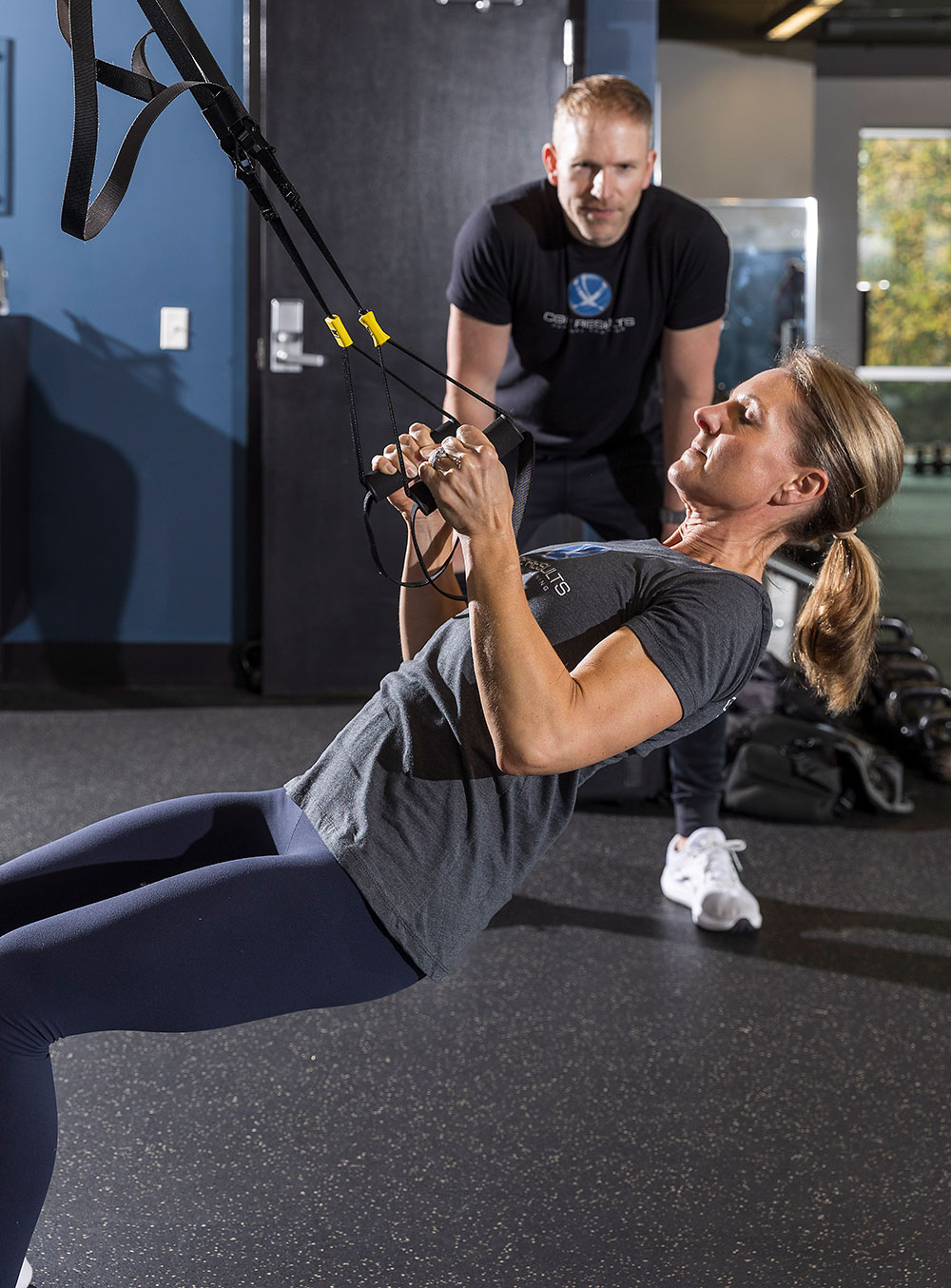
Aaron: One of the biggest benefits of personal training is each client gets an individualized program. The program is specific to their goals, as well as takes into account where they’re starting from physically. During the initial session, our trainers take the client through an assessment or “screening workout” in order to get a baseline of how they move, as well as assess their strength and conditioning levels. This information provides a blueprint for planning a program specific to their body and goals. Every client is unique, with a unique physical history that’s taken into account when starting a new program. Over time, as your relationship with your trainer develops and abilities change, the trainer is able to adapt your ever-evolving program to meet your needs.

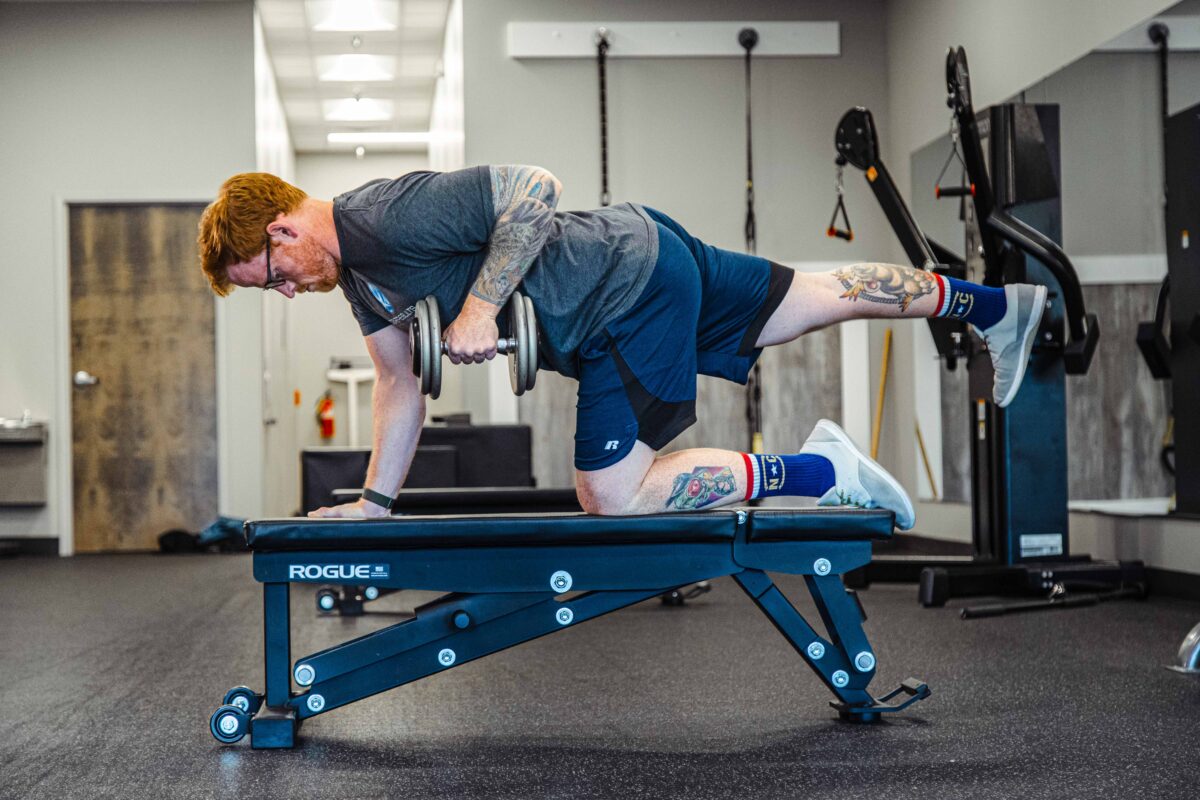
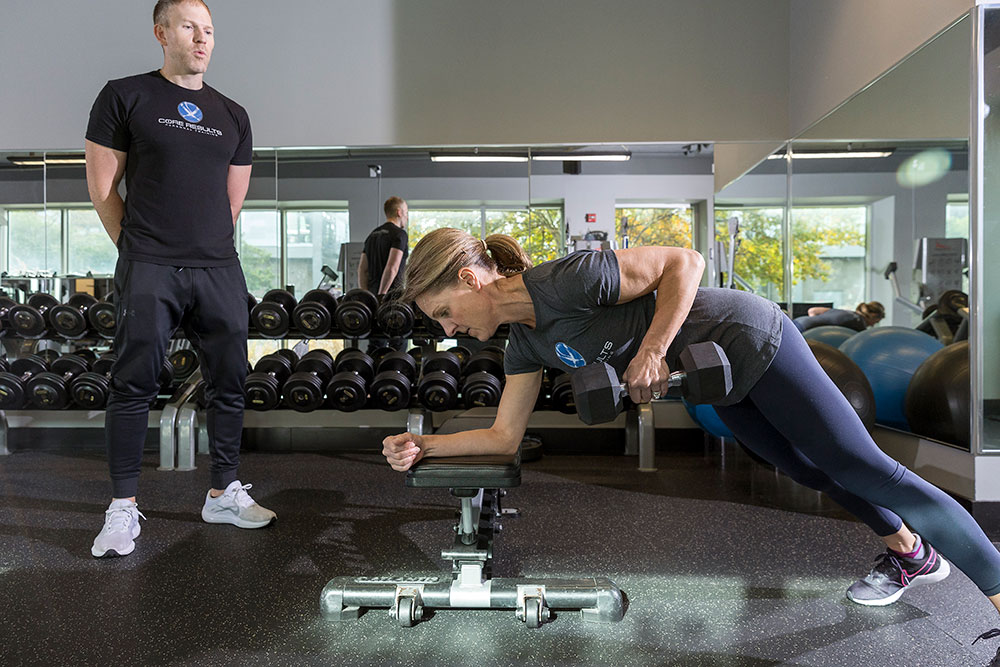
This exercise is like a superhero move, hitting your core, shoulders, upper and lower body all at once. It’s the ultimate multitasker exercise that’ll leave you feeling like a fitness rockstar!

Jaime: What advice do you have for clients who are new to strength training and may feel intimidated and unsure where to start?

Aaron: My best advice for anyone new to strength training is that it’s never too late to start. Get some professional help to learn the foundational movement patterns necessary to maximize your time and prevent risk of injury. Strength training will increase the quality of your life, especially as we age. It’s also important to choose exercises that align with your personal goals. In our boutique studio setting, each client works independently with their trainer, which provides a very non-intimidating environment. Our trainers and clients work together to be inclusive and encouraging to each other.

Jaime: How long does it take to see results?

Aaron: Someone new to strength training can expect to feel results in as little as a few sessions. With that being said, the initial adaptations during the first 6-8 weeks of a program are largely neuromuscular in nature. The body first needs to learn the movements, and then it will begin making changes to the muscle fibers’ strength and size.

5 Tips for Strength Training from Aaron @ Core Results Personal Training:

  1. Proper warmup is key in order to increase core body temperature and get blood flow to the working muscles. By doing this you are gradually preparing the body to work and in turn will decrease your risk of injury. It’s also a great time to work on dynamic flexibility and mobility (stretches with movement with the intent of increasing range of motion).
  2. Focus on proper technique to maximize working the intended muscle groups and decrease risk of injury.
  3. Make sure you’re always keeping progression in mind. The goal is to get stronger, so if an exercise begins to get easier, increase the load.
  4. Slow and controlled is the best way to keep the muscles under tension, which results in maximum adaptations and gains.
  5. Focus on the muscle groups you are intending to train. The body is smart and will constantly try to compensate, especially when working weaker muscles. The strong muscles try to take over and do the work. Being mindful creates a mind-body connection and helps stimulate the targeted muscles.

Core Results Personal Training
coreresults.net

Losing Body Fat While Increasing Strength

Protein and Fitness at Core Results in Raleigh and Cary

I think it’s safe to say, for most people losing body fat and increasing lean muscle is an ideal achievement for overall health and fitness.  The question is how do we accomplish such a feat? 

When talking about nutrition, we’ve all heard jokes about the stereotypical personal trainer pushing their clients to eat more and more protein.  The fact of the matter is, maybe we should pay a bit more attention to that advice, especially if our goal is to lose body fat and get stronger at the same time!   

Protein is the single most important nutrient for weight-loss, a better looking body, and aging gracefully. You heard me right, protein is key to changing your overall body composition.  Of course there are other important factors that play a role as well, such as following a progressive strength training program and staying within your personal caloric boundaries.  But today, our focus is on the different ways protein changes how we feel and look, as well as the effects on our overall health.

A high protein intake increases metabolism (burns more calories naturally), reduces appetite, maintains lean muscle mass, and affects hunger related hormones.  Most people would agree those are all extremely important factors when considering body composition!

Let’s take a look at how this process works.  

1.  Digesting and Metabolizing Protein Burns More Calories 

After you eat your body needs energy to digest foods, this is called the “thermic effect”.  Protein has a much higher thermic effect than carbohydrates and fats.

2.  Protein Makes You Burn More Calories While Doing Nothing

Due to this high thermic effect, there is an increase in your metabolism (energy used) around the clock.  Yes, even while you are sleeping!

 3.  Protein Reduces Appetite So You Eat Fewer Calories

Numerous studies show that when you increase protein consumption there is a decrease in other calorie consumption.  This higher satiety makes it easier to restrict calories without having to count them all the time.

 4.  Protein Cuts Cravings and Late-night Snacking

Let’s face it, cravings sabotage any good eating plan and can be our worst enemy.  Interestingly, protein can have a powerful effect on both cravings and desire to snack at night.  

Last point, and possibly the most important of all for those of us who want to slow down the aging process.  

5.  Protein not only helps our muscles repair and grow, it also helps to prevent muscle loss and metabolic slowdown. 

I can’t emphasize enough the importance of this when it comes to aging well.  Each decade, starting at 30, we will lose approximately 3-8% of our lean muscle and that number increases rapidly as we age. Pretty simple,  losing muscle mass equates to a decrease in energy used and thus increase in body fat, accelerated over time.  Ouch! Eating plenty of protein and participating in a strength training program can greatly decrease this loss over time and even help to build more lean muscle.  Bottom line, a high protein diet combined with consistent strength training, is key for weight loss and body composition especially as we age.

So How Much Protein is Enough?

The latest research suggests the amount of protein needed is much more than most people would think.  Studies suggest getting 30% of your total calories a day from protein sources.  So what does that mean for you?  Here is a sample equation to find the amount of protein you need based on your weight.  

.7-1g per pound of lean body mass or 1.6g per KG of body weight (2.2kg per pound)

Example: 150lb person should get 105-150g of protein per day!

Keep in mind these numbers don’t need to be exact and the protein should be spread out throughout the day.

Final Thoughts:

There is no doubt about the importance of incorporating a high protein diet into your body composition goals.  However protein alone is not the only answer.  The magic happens when it’s combined with a strength training program and proper caloric consumption based on your age and goals!

Are you looking to change your body and need help with exercise and nutritional guidance?  We are here for you, contact us today to get set up for a free consultation with one of our highly experienced personal trainers!!

Reference Articles: https://www.healthline.com/nutrition/high-protein-diet-plan#TOC_TITLE_HDR_2

How to Choose a Personal Trainer

“How to choose a personal trainer?” Just about anyone can call themselves a “personal trainer,” there is so little regulation in the training industry. So how can you make sure you’re working with a personal trainer you can trust with your health and well-being?

The Key is to Ask Questions

A good trainer will expect questions, and be willing to provide documentation if you ask for it. Keep reading to learn more about how to choose a personal trainer by asking the right questions so you can feel confident in your fitness journey.

The Right Questions to Ask

When you’re trying to find a personal trainer, think and ask about his or her: Education, Certification, Insurance, Experience, and Personality

What Fitness-Related Education Does Your Trainer Have?

Does the personal trainer you are considering have any form of higher learning in a related area? Degrees in a broad field such as biology or zoology show that the trainer you choose at least has a background in anatomy and physiology. A more specific degree in an area such as exercise science, exercise physiology, or kinesiology are even stronger indicators that this trainer knows their stuff when it comes to fitness.

Is Your Personal Trainer Certified with a Trusted Organization?

Is your trainer certified to provide personal training? More importantly, who issued the certification? In an unregulated industry, “certified” does not indicate expertise on its own so it’s important to find a personal trainer that carries a reputable certification.

Three of the most respected certifications in the industry are offered by:

Other nationally recognized certifying agencies that you are likely to see are:

Does Your Trainer Carry Liability Insurance?

Liability insurance not only protects against personal injury loss, but is a good indication that this trainer takes the fitness profession seriously. Here is a trade secret: Liability insurance is not expensive, so if the trainer you are considering does not have a policy, it’s best to find a different personal trainer.

Is Your Trainer CPR Certified?

Your trainer must be prepared for emergency situations. The training offered from CPR certification courses keeps personal trainers updated on life-saving measures that can be taken should the worst occur. Current CPR certification is a must-have for any professional that you trust your health to.

Does Your Trainer Have Relevant Experience?

How much experience does your trainer have working with clients that have similar needs as yours? Finding a personal trainer with this experience can be invaluable, but it might not be a deal-breaker. A lack of experience for your specific needs can be overcome by the willingness to put in the time to do some research to close the gap.

Is Your Trainer Willing to Admit When They Don’t Know?

Will your trainer take the time to research your questions? This may be one of the most underrated traits of a personal trainer, as misinformation and assumptions can lead to injury. One of the best (but seemingly hardest) things a trainer can do is simply tell you, “I don’t know, but by the next time I see you I will have the answer.”

Do You Like Your Personal Trainer?

When choosing a trainer, this seemingly obvious factor is often overlooked or minimized. When you met with your prospective personal trainer, did you feel comfortable? You will be spending a lot of time with this person in the weeks and months to follow. If you feel uncomfortable at all in his or her company, it’s best to find another trainer.

Start Your Day Off Right!!

I came across this article from Jeff Cavaliere MSPT, CSCS of AthleanX and it completely resonated with me.  At Core Results we are all about small changes that have big impacts on our health.  This content is so relevant for us all, I had to share with the Core Results community!

Best Morning Routine!!!

Start each morning off right with this simple, yet extremely effective way to change posture, improve the appearance of your abs, and prepare your body for the day!

It only takes 2 minutes and 30 seconds…

These morning habits are so simple.

But they work!

Just wait until you feel how well this daily routine works – even after just a few days.

It takes almost no time to do, so let’s start the day!

HYDRATION!!

Most people don’t realize that spending 6 to 8 hours sleeping with leave your body pretty dehydrated.  Dehydration leads to excess feeling of tiredness, headaches, decreased concentration, as well as constipation.  

We often just get up and start our morning rituals without making a concerted effort to replenish the water that we have lost and not taken in while asleep.

Instead of reaching for that morning cup of coffee, reach for a glass of water instead.

At least 20 to 24 ounces!

Morning is the perfect time of day to start drinking water, to set yourself up to carry out this healthy habit all day long.

Make it part of your nightly routine to place a bottle of water on your nightstand or at the bathroom sink.

Room temperature water is easier to drink than cold water, so just guzzle it down!

This is one of the morning habits that can have a dramatic impact on the energy levels and productivity we have for the rest of the day, our ability to focus and the amount of strength we can output when we hit the gym for our workout.

BENEFITS OF MORNING REHYDRATION

  • Replenishes water lost and not taken in during 6-8 hours of sleep
  • Improves energy levels, productivity and focus
  • Improves strength output during the day’s workout

HANG OUT ON (NOT AT) THE BAR

Correct Posture Graphic

ELAPSED TIME: 2 MINUTES

The next two minutes of this perfect morning routine are going to help you with your posture, your abs and your grip strength.

Let me show you what I mean.

After I’ve chugged my quantity of water I walk towards my closet, but not to start picking out my clothes!

Before heading for a healthy breakfast, make a pit stop at the pull-up bar that you’ve installed over the doorway of your closet.

This is one of my favorite daily habits – decompressing my spine for one minute by hanging from the bar.

This helps stretch out the spinal column and improve blood flow.

To do this, grab the bar, hang from it and drop your pelvis with your toes lightly in contact with the ground. As the weight of the pelvis drops, you can actually feel those spinal segments decompress and you’ll also get a stretch through the hips.

We can also use this bar hang to address the lack of thoracic extension and the mid-back stiffness that we get by being in a slumped posture throughout much of the day. We have this problem even at night when our heads are propped up on a pillow.

To fix this you can try to reach your head through to get as much extension as possible in that area. Take a couple of deep breaths here and enjoy the stretch.

For this last minute of your new daily morning routine, all you need to do is hang with your feet lifted off the ground, and then hollow out the lower abs and hold.

Instead of just hanging there, pull down and engage the shoulder blades to get some scapular stability.

BENEFITS OF THE MORNING BAR HANG

  • First minute decompresses the spinal vertebrae
  • Additional stretch through the hips as you drop the pelvis
  • Pushing forward of the head gives a thoracic and mid-back stretch
  • Improves forearm and grip strength
  • Lack of grip strength is an indicator that additional recovery or sleep is needed
  • Second minute improves abdominal strength
  • Engaging the shoulder blades assists with scapular stability

As you can see we’ve accomplished a lot with this ideal morning routine in 2 minutes and 30 seconds! This is such a quick and effective routine with so many benefits that there’s no reason not to do it every day.  Best of all, since it doesn’t take much effort, you don’t have to be a morning person to do this!

It’s an easy way to set yourself up for sticking to a consistent routine and feeling a huge sense of accomplishment.

Starting your morning by getting hydrated first thing will help with morning energy, productivity, focus and a clear mind for the rest of the day. 

The cumulative effective of the two one-minute holds each day is going to help you improve posture, core strength, forearm strength and give you an indicator of where you might be in your training. 

To find out more great tips on small changes you can make that will have a great impact on your health, contact us today!

Discover Top Obstacles of Exercise & How to Overcome Them

The first step to overcoming obstacles of exercise is to identify them. What is keeping you from investing in your health and well-being? Top reasons include not enough time, insufficient energy and lack of drive. Whether you suffer from one or all of the above, with the right guidance and routine, your fitness goals are more achievable than you might think.

Not enough time

When your day to day is already slam packed, squeezing in time for fitness can feel impossible. If this is the case for you, instead of setting aside a full hour for exercise, try doing a couple of shorter sessions throughout the day.

If you cut down on time, remember to boost up your level of intensity. Incorporating just twenty minutes of high intensity exercise into your day can satisfy your body’s need to be physically active.

No travel time to get to the gym? Work out where you are. Save weight training for days when you can get there and do cardio on days when you can’t. Making small changes like taking the stairs instead of the elevator or walking to grab lunch instead of driving can also help boost activity without compromising time.  

Insufficient energy

Do you feel too tired to workout? It may seem counterintuitive, but the more physically active you are, the more energy you produce. Instead of viewing exercise as an energy drain, view it as a way to boost your energy level.

Exercise also helps provide mental clarity. If you lack inspiration on the job, try doing a few laps around the building. The endorphins your brain releases when you exercise reduce tension, so you can power through the rest of the day stress free.

Lack of drive

Low motivation is another significant barrier to exercise. The best way to overcome this is by setting an achievable goal and tracking your progress first hand. Once you see real results, any lack of motivation will be a thing of the past. If you need more of a boost, consider hiring a personal trainer. They will work with you to develop an exercise program that works with your schedule, no matter how busy it may be.

At Core Results Personal Training, you can rest assured you are working with an expert who decided to make fitness their career years ago. Get started on reaching your fitness goals. Meet our team of expert trainers today!

Reach Your Weight Loss Goals in 2024 with Individualized Personal Training

With the new year on the horizon, there is no better time to start working a plan towards achieving your weight loss goals for 2024. The first step to success is establishing your weight loss goal.

Making Your Weight Loss Goal

The number one recommendation from the American Heart Association when it comes to losing weight is to set realistic goals. Make sure your goal is practical: challenging, yet achievable. If you want to lose 15 pounds in three months, for example, it may be more practical to break down the weight loss into three sections, one for each month. Since weight loss is usually faster early on, place the higher amount in your first month’s bucket. Then aim to lose the rest over the following two months. Once you feel your weight loss goal is in a good place, it’s time to choose an exercise program.

Choosing an Exercise Program

For better adherence, choose a program that is versatile. Studies indicate participants tend to stick with exercise programs for longer when they vary more in routine. Variance in routine is also beneficial for your body because each motion moves your body in a different way, requiring the use of different muscles. When it comes to strength training, you can switch it up by changing your weightlifting frequency, the number of sets and reps you do and the amount of weight you use. For cardio, you can alternate the distance you go or the method on which you travel (bike, paddle board or your own two feet!) Learn more about the importance of switching up your routine here.

Finding the Right Fuel

Once you have your goal in place and you have embarked on your new exercise program, it is time to consider what you eat on a regular basis and whether it is providing enough fuel, or the right kind of fuel, for your workouts. Swap foods that are high in sodium, added sugar and saturated fats for whole grains, produce, proteins and healthy snacks between meals. If you are making changes to your nutrition for weight loss, keep track of what you are eating in a food log. This helps establish accountability and may even help you curb the temptation to partake in unwise choices when cravings attack.

Ready to make your weight loss goals a reality? At Core Results, our personal trainers have been successfully helping clients reach their weight loss goals for more than a decade.

“I have already received very visible results. I have lost weight (my clothes are falling off now) and my muscles are toning up nicely. I have more energy now and Josh has given me the drive to continue with this healthy lifestyle.” Read more real results from our clients. Get started with achieving your weight loss goals. Contact us today!