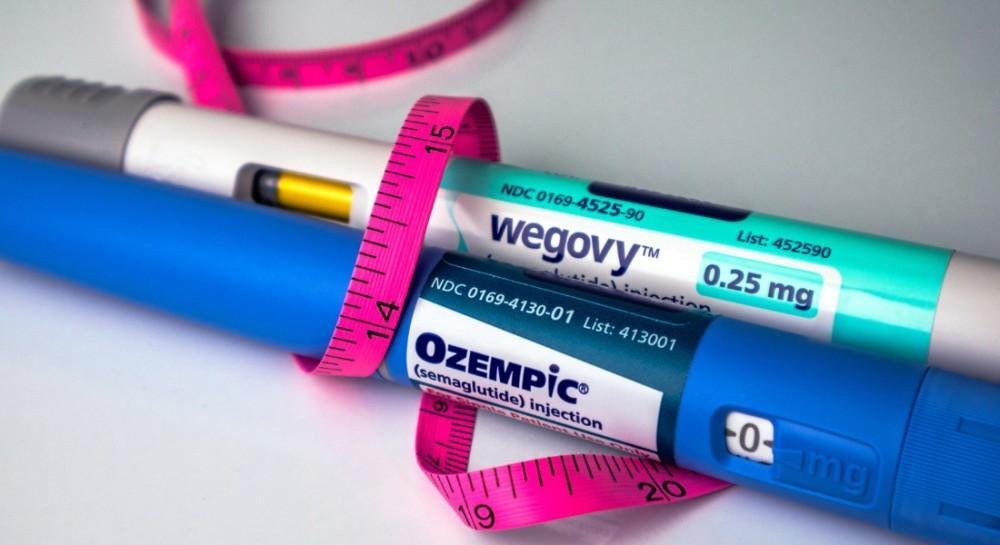
Considering Starting a GLP-1 Weight Loss Drug? Read This First!

GLP-1 medications have changed the conversation around weight loss. Drugs such as Wegovy® and Zepbound® can help many people lose a significant amount of weight when prescribed and monitored appropriately by a healthcare provider.

But there is an important part of the conversation that can easily get overlooked:

The goal shouldn’t simply be to lose weight. The goal should be to lose fat while preserving as much muscle, strength, and function as possible.

At Core Results Personal Training in Raleigh and Cary, NC, we work with adults of all ages who want to improve their body composition, strength, mobility, and overall health. For someone considering or currently using a GLP-1 medication, strength training and nutrition can become especially important.

What Are GLP-1 Weight Loss Medications?

GLP-1–based medications work, in part, by affecting appetite and helping people feel fuller for longer. This can make it significantly easier to reduce calorie intake and lose weight.

For people who have struggled with obesity or weight management, these medications can be an effective tool when used under the supervision of a qualified medical professional.

However, when you lose a substantial amount of body weight, not all of that weight necessarily comes from body fat.

Some can come from lean tissue, including muscle.

Why Muscle Loss Matters During Weight Loss

When the number on the scale is dropping quickly, it can be tempting to assume that everything is going exactly as planned.

But losing 30 pounds while maintaining most of your muscle is very different from losing 30 pounds while also losing a significant amount of lean mass.

Muscle plays an important role in:

  • Strength and physical function
  • Balance and stability
  • Bone health
  • Metabolic health
  • Maintaining independence as we age
  • Athletic and recreational performance
  • Long-term body composition

This becomes particularly important for adults in their 40s, 50s, 60s and beyond, when preserving muscle and strength is already increasingly important for healthy aging.

Weight loss and fat loss are not the same thing.

For most people, the better goal is improving body composition—reducing excess body fat while maintaining as much lean muscle as possible.

Strength Training Should Be Part of Your GLP-1 Weight Loss Plan

If you’re taking a GLP-1 medication and eating substantially fewer calories, your body needs a reason to retain muscle.

Progressive resistance training provides that stimulus.

A well-designed strength training program challenges your muscles consistently and progressively while accounting for your fitness level, injury history, mobility, and overall health.

You don’t need to become a bodybuilder or spend six days a week in the gym.

For many adults, two or three well-designed strength training sessions per week can be a practical foundation for maintaining and building strength.

At Core Results, our training is entirely one-on-one. That allows our personal trainers to adjust exercise selection, volume, intensity, and progression to the individual rather than putting everyone through the same workout.

This is especially valuable for people who are new to strength training or who have arthritis, osteoporosis, previous injuries, joint replacements, back or knee issues, or other considerations that may require modifications.

Don’t Forget About Protein

GLP-1 medications can dramatically reduce appetite. That may make losing weight easier, but it can also make it harder to consume enough protein and other essential nutrients.

Protein provides the amino acids your body needs to maintain and repair muscle tissue.

Rather than simply thinking:

“How little can I eat?”

A better question is:

“How can I meet my nutritional needs while creating an appropriate calorie deficit?”

Protein needs vary considerably based on body size, age, activity level, health conditions, calorie intake, and goals. A qualified healthcare professional or registered dietitian can help determine an appropriate target for you.

Your personal trainer can then help reinforce healthy habits and make sure your exercise program complements your overall weight-loss strategy.

What Happens If You Eventually Stop Taking a GLP-1?

This is another reason exercise and sustainable lifestyle habits matter.

A medication can help control appetite, but it doesn’t automatically teach you how to strength train, structure meals, stay active, or develop habits you can maintain for years.

Whether you remain on the medication long-term or eventually discontinue it is a conversation for you and your prescribing healthcare provider.

Either way, the habits you establish while losing weight matter.

Think of GLP-1 medication as potentially one component of a larger health strategy, rather than the entire strategy.

The Scale Isn’t the Only Measure of Success

If you’re using a GLP-1 medication, it’s easy to become focused on weekly scale changes.

But we’d encourage you to pay attention to other questions too:

Are you getting stronger?

Are you maintaining muscle?

Are everyday activities becoming easier or are you tired all the time?

Are you moving better?

Do you have more energy?

Are you developing habits you can realistically maintain?

Those outcomes may tell you more about improvements in your health and fitness than the scale alone.

Frequently Asked Questions About GLP-1 Medications and Exercise

Should I strength train while taking a GLP-1 medication?

For many people, resistance training is an important component of a weight-loss program because it helps provide a stimulus for maintaining muscle and strength. Your exercise program should be appropriate for your health, fitness level, and medical history.

Can I lose muscle while taking Ozempic, Wegovy, Mounjaro, or Zepbound?

Weight loss from any method—including medication-assisted weight loss—can include both fat and lean tissue. Strength training, adequate nutrition, and appropriate protein intake can help support preservation of muscle during weight loss.

How often should I strength train while losing weight?

Many adults can benefit from resistance training at least twice per week, although the ideal frequency depends on the individual. Quality, consistency, recovery, and appropriate progression are more important than simply doing more workouts.

Should I work with a personal trainer while taking a GLP-1?

You don’t have to, but professional guidance can be helpful—particularly if you’re new to strength training, have previous injuries or orthopedic concerns, or want a structured program designed to preserve strength and muscle while losing weight.

Can a personal trainer tell me whether I should take a GLP-1 medication?

No. The decision to begin, change, or discontinue a prescription medication should be made with an appropriately qualified healthcare provider. A personal trainer’s role is to help develop the exercise, strength, and healthy-lifestyle components of your plan.

Personal Training for GLP-1 Weight Loss in Raleigh & Cary, NC

If you’re considering a GLP-1 medication—or you’re already taking one—don’t make the number on the scale your only goal.

Preserve your muscle. Build your strength. Improve your fitness. And develop habits that can support your health long after the initial weight comes off.

Core Results Personal Training provides private, one-on-one personal training in Raleigh and Cary, North Carolina. Our trainers work with adults of all ages and fitness levels to create individualized strength programs based on each client’s goals, experience, medical and orthopedic history, and current abilities.

If you’re using a GLP-1 medication, we’ll work within the guidance provided by your healthcare team to help make strength training a productive part of your overall weight-loss and wellness plan.

Considering GLP-1 weight loss and want to make sure you’re protecting your strength and muscle along the way? Contact Core Results Personal Training to schedule a complimentary initial consultation at our Raleigh or Cary location.

This article is for educational purposes only and is not medical advice. GLP-1 medications are prescription medications and should be used only under the direction of an appropriately qualified healthcare professional.

The Best Strength Training Exercises for Women Over 40 in the Triangle

Woman Strength Training Raleigh Studio

WOMEN’S FITNESS · TRIANGLE NC

How lifting weights transforms your body, your hormones, and your bones — in Raleigh, Cary, and beyond.

CORE RESULTS PERSONAL TRAINING · MAY 2026 ·10 MIN READ

If you live in Raleigh, Cary, North Hills, Midtown, Cameron Village, or anywhere else across the Triangle and you’re a woman in your 40s or beyond — this article was written specifically for you.

You may have noticed that the body you had at 35 responds differently now. Weight settles around the midsection more easily. Sleep isn’t as restorative. Energy ebbs. And perhaps you’ve heard that your bone density is starting to quietly decline. These changes are real, and they’re biological — but they are not inevitable.

The most powerful tool available to women over 40 is not a fad diet, a waist trainer, or another HIIT class. It is progressive strength training. Backed by decades of research and championed by the top sports medicine and endocrinology physicians in the country, resistance training is the single greatest investment a woman over 40 can make in her long-term health, vitality, and quality of life.

“Strength training isn’t about looking a certain way. For women over 40 in the Triangle, it’s about feeling powerful, staying healthy, and living fully — on your terms.”

At Core Results Personal Training, with boutique studios in Raleigh (off Wade Avenue and St. Mary’s Street) and Cary (at Cary Parkway and Tryon Road), we’ve worked with hundreds of women across this demographic over more than a decade. In this guide, we’ll walk you through the best exercises, explain the science behind the benefits, and show you exactly why the Triangle is one of the best places in the country to invest in your fitness.

Weight Loss & Metabolism

Lean muscle is metabolically active tissue — it burns calories around the clock, even at rest. As women enter their 40s, muscle mass naturally declines (a process called sarcopenia), slowing the metabolism. Strength training reverses this, rebuilding the metabolic engine that makes sustainable fat loss possible.

Muscle burns ~6–10 cal/lb daily at rest vs. ~2 cal/lb for fat tissue

Hormone Regulation

Perimenopause and menopause bring significant hormonal shifts — falling estrogen, rising cortisol, insulin resistance. Progressive resistance training improves insulin sensitivity, reduces cortisol levels, and stimulates growth hormone and IGF-1 production, acting as a natural regulator of the hormonal environment in a way that cardio alone cannot match.

Studies show resistance training can reduce cortisol reactivity by 15–20%

Bone Density

After 40, women lose roughly 1% of bone density per year — a rate that accelerates dramatically at menopause. Weight-bearing and resistance exercises place mechanical stress on bones, stimulating osteoblast activity and new bone formation. This is one of the most evidence-based, non-pharmacological interventions against osteoporosis available.

Post-menopausal women lose up to 2% bone density per year without intervention


Personal Trainer Raleigh studio

THE EXERCISES

Seven Essential Strength Training Movements for Women Over 40

These compound and accessory exercises form the foundation of every effective training program for women in their 40s and 50s. Each targets multiple muscle groups, drives real results, and is safely scalable with proper coaching.

01

The Deadlift (and Romanian Deadlift)

The deadlift is the single most effective posterior chain exercise available. It strengthens the glutes, hamstrings, lower back, traps, and core in one coordinated movement. The Romanian deadlift variation is especially valuable for women over 40 — it emphasizes the hamstrings and glutes through a longer range of motion with less spinal compression.

From a bone density standpoint, loading the spine and hips axially through deadlifts is one of the most direct stimuli for bone formation in the lumbar spine and femoral neck — precisely where osteoporosis is most dangerous. It also supports healthy hip hinge mechanics, reducing lower back pain common among desk workers in Raleigh’s tech and healthcare corridors.

02

Goblet Squat & Back Squat

Squatting patterns are fundamental human movement. The goblet squat — holding a dumbbell or kettlebell at the chest — is an ideal entry point for women new to resistance training, teaching proper depth and bracing technique. The back squat (barbell) represents a progression that maximally loads the quads, glutes, and spinal erectors.

Squats done with meaningful load drive significant growth hormone and testosterone secretion — the hormonal response that makes strength training so powerful for body composition and energy levels in women navigating perimenopause. The axial loading also directly stimulates femoral and tibial bone density.

03

Hip Thrust

The hip thrust is the most direct glute-loading exercise available. Unlike squats and deadlifts, it targets the gluteus maximus in its most shortened position — the top of hip extension — producing superior glute activation compared to almost any other movement.

For women over 40, strong glutes are non-negotiable. They protect the lower back, support knee health, and play a major role in pelvic floor function — an area of particular importance for women in this age group. Barbell hip thrusts also place compressive and tensile loads through the pelvis, contributing to bone health in the hip region.

04

Dumbbell Row & Seated Cable Row

The upper back is critically underworked in most women — and in most gym programs. Rowing movements train the rhomboids, mid-traps, rear delts, and lats, counteracting the forward-rounded posture that develops from long hours at a desk or a steering wheel. This is a concern across Raleigh’s Research Triangle Park workforce and Cary’s growing professional community.

Strong pulling musculature improves posture, reduces neck and shoulder pain, and provides functional strength for daily life. Rows with meaningful load also contribute to thoracic spine bone density, an often-overlooked area of osteoporosis risk.

05

Overhead Press (Dumbbell or Barbell)

Overhead pressing builds the shoulders, triceps, and upper chest while requiring the core to stabilize the spine under axial load. It is one of the most functional upper body movements — translating directly to activities like lifting groceries, reaching overhead, and playing with grandchildren.

The hormonal benefits of compound pressing movements are well-documented. Heavier upper body pressing stimulates systemic anabolic hormone release, contributing to the body-wide hormonal environment that supports lean muscle retention and fat metabolism in women over 40.

06

Bulgarian Split Squat & Reverse Lunge

Single-leg training is essential for women over 40 for one important reason: life is conducted on one leg at a time. Walking, climbing stairs, hiking the trails at Umstead State Park or Lake Crabtree, navigating the stairs at PNC Arena — these all demand single-leg strength and stability.

Bulgarian split squats and reverse lunges build each leg independently, correcting imbalances that accumulate over decades. They also challenge the stabilizing muscles of the hip and knee, directly reducing the risk of the falls that become increasingly dangerous as bone density declines.

07

Farmer’s Carry & Loaded Carries

Loaded carries — walking with heavy dumbbells, kettlebells, or a trap bar — are deceptively simple and extraordinarily effective. They train the grip, core, traps, and stabilizing musculature of the entire body simultaneously. They also build the kind of functional, real-world strength that makes daily life easier.

From a hormonal perspective, carrying heavy loads elevates growth hormone more than almost any isolated exercise. The axial and compressive loading also stimulates bone formation throughout the spine, hips, and wrists — three of the most fracture-prone sites in women with osteoporosis.

Personal Trainer working with a senior client at Raleigh studio.

FREQUENTLY ASKED QUESTIONS

Strength Training for Women Over 40: Your Questions Answered

The questions we hear most often at our Raleigh and Cary studios — answered honestly.

Will I bulk up if I start lifting weights?

No — and this is one of the most persistent and harmful myths in women’s fitness. Women do not have the hormonal profile (primarily testosterone levels) required to build large, bulky muscles without extraordinary effort, supplementation, and genetic predisposition. What strength training does for women over 40 is build lean, dense muscle that gives the body a firmer, more defined appearance — while dramatically improving function and health markers. Every woman at Core Results who has feared “getting bulky” has emerged from their first several months looking and feeling more lean, not more muscular in any unwanted way.

I have knee pain / back pain. Can I still do strength training?

Almost certainly yes — and strength training may be the best thing for it. Many of our clients at Core Results come to us with pre-existing pain, often on physician recommendation. Properly programmed strength training builds the supporting musculature around joints, reduces inflammation markers, and frequently eliminates pain that clients assumed was permanent. The key is working with a certified trainer who can assess your movement, select appropriate exercises, and progress safely. We never put someone through a movement that causes pain.

How many days per week should I strength train?

For women over 40, 2–3 days per week of focused, progressive resistance training is the sweet spot for most goals. This allows adequate recovery — which becomes increasingly important with age, as muscle protein synthesis takes slightly longer. Quality of sessions matters far more than volume. Two well-programmed, properly executed sessions per week will outperform five scattered, unfocused ones every time.

How quickly will I see results from strength training?

Most women notice meaningful changes in strength and energy within 4–6 weeks of consistent training. Visible body composition changes typically become apparent around 8–12 weeks. Improvements in bone density are measurable via DEXA scan after 6–12 months of consistent, progressive loading. Sleep quality, mood, and energy levels often improve within the first few sessions — clients regularly report these “invisible” results before any physical changes are apparent in the mirror.

Does strength training help with menopause symptoms?

Yes, significantly. Research consistently shows that progressive resistance training reduces the severity of hot flashes, improves sleep quality, decreases anxiety and depression symptoms, and supports healthy weight management during perimenopause and menopause. By improving insulin sensitivity and supporting healthy cortisol levels, strength training acts as one of the most effective lifestyle interventions for the hormonal transition women in their 40s and 50s navigate.

SERVING THE TRIANGLE

Ready to Start? Core Results Has Two Locations Serving Women Across Raleigh, Cary & the Triangle

Whether you’re in Cameron Village, North Hills, Brier Creek, Lochmere, Waverly Place, Apex, or Holly Springs — Core Results has a boutique personal training studio near you. Your first session is completely free, no strings attached.

Raleigh Studio

1330 St. Mary’s St., Suite A001

Raleigh, NC 27605

(984) 789-8406

Near Wade Ave · Five Points · Cameron Village · North Hills

Cary Studio

6456 Tryon Rd.

Cary, NC 27518

(984) 789-8406

Near Waverly Place · Lochmere · Prestonwood · Apex · Holly Springs

BOOK YOUR FREE FIRST SESSION →No pressure. No commitment. Just a real conversation about your goals and a session to experience the Core Results difference.

THE BOTTOM LINE

Strength Training Is the Most Important Investment a Woman Over 40 Can Make in Herself

Not a luxury. Not something to start “when things calm down.” A priority.

The Triangle is home to some of the most educated, high-achieving, and driven women in the country. Many of you have spent your 30s and 40s building careers, raising families, and showing up for everyone else. Strength training is how you show up for yourself — and how you ensure that the next decade is not one of gradual decline, but of continued strength, vitality, and capability.

The research is unambiguous: women who resistance train consistently in their 40s enter their 50s, 60s, and beyond with more muscle, stronger bones, more regulated hormones, and significantly better quality of life. This isn’t vanity. This is longevity.

At Core Results Personal Training, every client gets a trainer matched specifically to her goals, history, and schedule. Every program is built from scratch — not a template. And every first session is free, because we believe you should experience what exceptional, individualized coaching feels like before you make any decision.

“The women who come to us at 42 wondering if it’s too late inevitably tell us, two years later, that starting when they did was the best decision they ever made.”

If you’re a woman over 40 in Raleigh, Cary, North Hills, Brier Creek, Apex, Morrisville, or anywhere else across the Triangle — Core Results Personal Training is here, and we’re ready to get to work.

© 2026 Core Results Personal Training · Raleigh & Cary, NC · (984) 789-8406 · info@coreresults.net

Serving women over 40 in Raleigh, Cary, Apex, Holly Springs, Morrisville, Knightdale, & .

Best Personal Trainers in Raleigh and Cary: What to Look For

If you’ve ever searched “personal trainer near me in Raleigh” or “best personal trainer in Cary,” you already know there are plenty of options out there. But how do you know which one is truly the right fit for your goals? At Core Results Personal Training, with convenient studios in both Raleigh and Cary, we believe choosing the right trainer is one of the most important steps in your fitness journey.

Here’s what to look for when searching for the best personal training in Raleigh or Cary:

1. Credentials and Real-World Experience

Not all trainers are created equal. The best personal trainers should have nationally recognized certifications and proven experience working with clients of all fitness levels. At Core Results, our trainers combine education with years of hands-on coaching to ensure you get safe, effective, and results-driven workouts.

2. Customized Fitness Plans

Generic workout plans don’t deliver lasting results. A personal trainer should build a program tailored to your body, goals, and lifestyle. At Core Results, every client receives a personalized plan—whether you want to lose weight, gain strength, improve mobility, or train around an injury. No classes or distractions, just you and your trainer focused on the same goal.

3. Accountability That Works

A huge benefit of hiring a personal trainer is the accountability factor. Life gets busy, motivation fades—but your trainer is there to keep you consistent. Our team at Core Results provides the structure, encouragement, and accountability that makes all the difference in reaching your goals.

4. Supportive Coaching Style

The best fitness coaching isn’t about barking orders—it’s about building a partnership. At Core Results, our trainers are approachable, supportive, and committed to helping you feel confident in the gym. We listen first, coach second, and celebrate every milestone with you.

5. Proven Results

You’re not just looking for workouts—you’re looking for results. That’s why people choose Core Results Personal Training in Raleigh and Cary. From weight loss to strength training to post-injury recovery, we’ve helped hundreds of clients see real, measurable progress. Just check out our hundreds of five star Google reviews!

Why Choose Core Results Raleigh or Cary?

Whether you’re new to exercise or a seasoned athlete, our Raleigh personal training studio and Cary personal training studio offer a welcoming environment, expert guidance, and programs designed to deliver long-term success.

If you’re searching for the best personal trainer near me in Raleigh or Cary, look no further. Core Results is here to help you train smarter, stay motivated, and finally see the results you’ve been looking for.

👉 Schedule your free consultation today and discover why Core Results is the go-to choice for personal training in the Triangle.