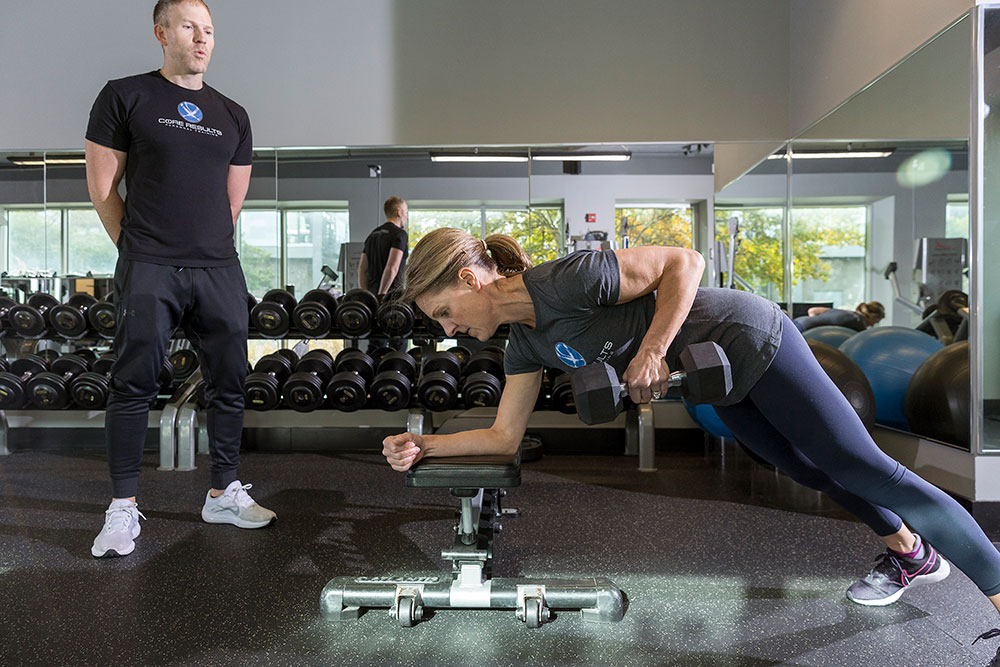
Strengthen Your Journey: The Importance of Combining Strength Training with Weight Loss Drugs

Today, we’re delving into a topic that merges the worlds of strength training and pharmacology: GLP-1 weight loss drugs (Ozempic, Mounjaro etc.). Despite the recent hype, GLP-1 drugs by themselves aren’t necessary a magic pill for a healthy lifestyle. We’re going to dive into the intriguing intersection of the importance of exercise (specifically strength training) and weight loss drugs.  As proponents of holistic health and fitness, we believe in exploring all avenues to help our clients achieve their goals.

According to the latest research, a study published in Cardiovascular Diabetology in February 2023, these medications are not a comprehensive treatment by themselves.  However, they can be used alongside exercise to amplify results and support metabolic balance along with promoting a healthy lifestyle.

GLP-1 weight loss drugs work by mimicking the effects of a naturally occurring hormone in the body called GLP-1 (glucagon-like peptide-1). They can help regulate appetite, reduce food intake, and promote feelings of fullness, making them a valuable tool for individuals struggling with weight management.

Strength training has long been celebrated for its numerous health benefits, from increasing muscle mass and bone density to improving metabolism and boosting mood. It’s a cornerstone of any well-rounded fitness routine, and for good reason. But what happens when you combine the power of strength training with the potential benefits of GLP-1 weight loss drugs? Let’s explore.

Now, let’s talk synergy. When you pair strength training with GLP-1 weight loss drugs, you’re combining two potent forces for achieving your weight loss and fitness goals. Here’s why it works:

  • Metabolic Boost: Strength training revs up your metabolism, helping you burn more calories throughout the day. When combined with GLP-1 weight loss drugs, which can also have metabolic benefits, you’re maximizing your body’s ability to torch unwanted fat.
  • Muscle Preservation: One concern with weight loss is the potential loss of muscle mass along with fat. However, regular strength training helps preserve lean muscle tissue, ensuring that the weight you lose comes primarily from fat stores. This is crucial for maintaining a healthy body composition and preventing the dreaded “skinny fat” look.
  • Appetite Regulation: GLP-1 weight loss drugs can help curb cravings and control appetite, making it easier to stick to a healthy eating plan. When combined with the mood-boosting effects of exercise, including strength training, you’re more likely to make nutritious food choices and resist temptation.
  • Long-Term Success: Sustainability is key to any weight loss journey. By incorporating strength training into your routine alongside GLP-1 weight loss drugs, you’re building a foundation for long-term success. Strength training isn’t just about shedding pounds; it’s about building strength, confidence, and resilience both in and out of the gym.

At Core Results, we’re here to support you every step of the way on your fitness journey. Whether you’re just starting out or looking to take your workouts to the next level, our experienced trainers can tailor a program to suit your individual needs and goals.

Before embarking on any new fitness or medication regimen, it’s important to consult with your healthcare provider to ensure it’s safe and appropriate for you. Once you have the green light, we’ll be here to help you maximize your results and celebrate your victories along the way.

Strength training and GLP-1 weight loss drugs may seem like an unlikely pairing, but together, they can be a powerful combination for achieving lasting weight loss and improved overall health. Ready to strengthen your journey? Let’s get started, contact us today!

Crafting Your Ideal Strength Training Journey

Discovering a Path That Works for You 

JANUARY 3, 2024

BY JAIME NOLAN
PHOTOGRAPHY BY JONATHAN FREDIN

Published in Wake Living Magazine

w/Aaron Hornstra, Core Results Personal Training Owner

Jaime: Tell me a little bit about how you got started in fitness and why you chose personal training.

Aaron: Playing athletics in high school led me to pursuing a degree in Exercise Science at Ithaca College. When I was in school, I envisioned working as a strength coach at a major university or for a professional team. After graduation, I was fortunate enough to land an internship at Stanford University in their Strength and Conditioning department. Reality soon set in. I quickly came to realize the extremely high demands for the position with the limited potential for growth. It wasn’t for me. Soon after, I took a personal training position at a private training studio on Long Island, New York, where I was able to train athletes as well as the general population. That was back in 2005, and I haven’t looked back since!

Whether you’re a beginner or an advanced fitness enthusiast, Core Results Personal Training will match your fitness level.

Jaime: What led you to open Core Results Personal Training?

Aaron: I have been training at Core Results since the beginning, although I am not the original founder. I participated as a full-time trainer for 11 years until 2022, at which point the owner and I came to terms on an agreement where he would step down and I would transition to ownership. It has always been a dream of mine to own my own studio, more less two!

Jaime: Who benefits from a personal trainer?

Aaron: Personal training is for anyone who is looking for an individualized approach to their health and fitness. Our clients range from semi-pro athletes, to urban professionals, to stay-at-home parents, to senior citizens. The “personal” aspect of this environment allows us to cater to each individual’s needs and ability levels. It provides structure, guidance, and accountability.

Jaime: How does strength training enhance people’s lives?

Aaron: Strength training can benefit everyone at every age throughout their lives. Some of the most important benefits include: lowering risk of injury, increasing strength of muscles and bones, decreasing risk of falling, boosting mood and reducing anxiety, helping to manage blood sugar, and also decreasing stubborn abdominal fat.

Jaime: What are the key principles of effective strength training?

Aaron: The key principles to an effective strength training program are consistency along with progressive overload. Consistency is crucial for stacking results, and then making sure to incrementally increase weights over time to force adaptation.

Jaime: How do you customize a strength training program for individuals with different fitness levels and goals?

Aaron: One of the biggest benefits of personal training is each client gets an individualized program. The program is specific to their goals, as well as takes into account where they’re starting from physically. During the initial session, our trainers take the client through an assessment or “screening workout” in order to get a baseline of how they move, as well as assess their strength and conditioning levels. This information provides a blueprint for planning a program specific to their body and goals. Every client is unique, with a unique physical history that’s taken into account when starting a new program. Over time, as your relationship with your trainer develops and abilities change, the trainer is able to adapt your ever-evolving program to meet your needs.

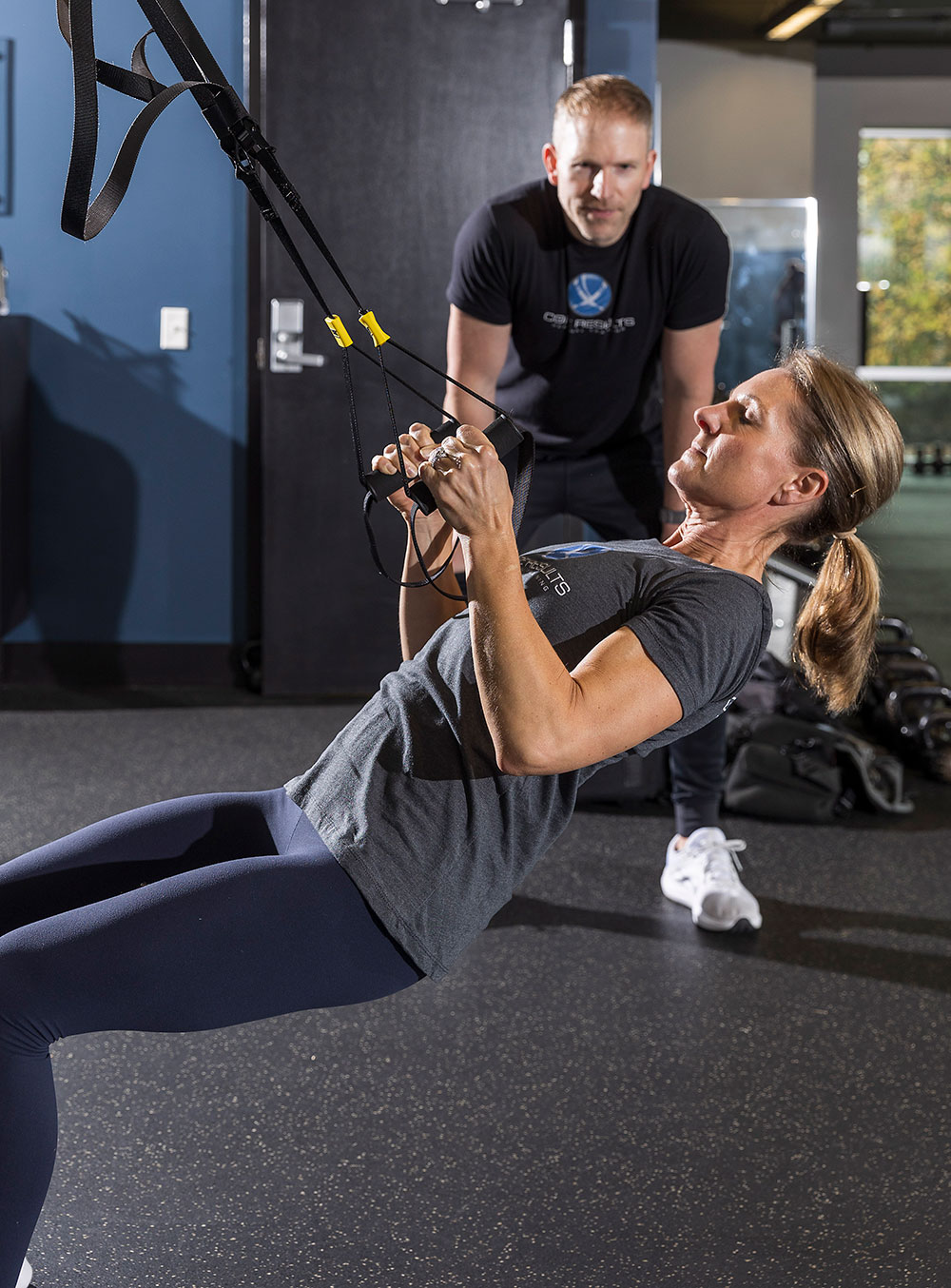
This exercise is like a superhero move, hitting your core, shoulders, upper and lower body all at once. It’s the ultimate multitasker exercise that’ll leave you feeling like a fitness rockstar!

Jaime: What advice do you have for clients who are new to strength training and may feel intimidated and unsure where to start?

Aaron: My best advice for anyone new to strength training is that it’s never too late to start. Get some professional help to learn the foundational movement patterns necessary to maximize your time and prevent risk of injury. Strength training will increase the quality of your life, especially as we age. It’s also important to choose exercises that align with your personal goals. In our boutique studio setting, each client works independently with their trainer, which provides a very non-intimidating environment. Our trainers and clients work together to be inclusive and encouraging to each other.

Jaime: How long does it take to see results?

Aaron: Someone new to strength training can expect to feel results in as little as a few sessions. With that being said, the initial adaptations during the first 6-8 weeks of a program are largely neuromuscular in nature. The body first needs to learn the movements, and then it will begin making changes to the muscle fibers’ strength and size.

5 Tips for Strength Training from Aaron @ Core Results Personal Training:

  1. Proper warmup is key in order to increase core body temperature and get blood flow to the working muscles. By doing this you are gradually preparing the body to work and in turn will decrease your risk of injury. It’s also a great time to work on dynamic flexibility and mobility (stretches with movement with the intent of increasing range of motion).
  2. Focus on proper technique to maximize working the intended muscle groups and decrease risk of injury.
  3. Make sure you’re always keeping progression in mind. The goal is to get stronger, so if an exercise begins to get easier, increase the load.
  4. Slow and controlled is the best way to keep the muscles under tension, which results in maximum adaptations and gains.
  5. Focus on the muscle groups you are intending to train. The body is smart and will constantly try to compensate, especially when working weaker muscles. The strong muscles try to take over and do the work. Being mindful creates a mind-body connection and helps stimulate the targeted muscles.

Core Results Personal Training
coreresults.net

Losing Body Fat While Increasing Strength

Protein and Fitness at Core Results in Raleigh and Cary

I think it’s safe to say, for most people losing body fat and increasing lean muscle is an ideal achievement for overall health and fitness.  The question is how do we accomplish such a feat? 

When talking about nutrition, we’ve all heard jokes about the stereotypical personal trainer pushing their clients to eat more and more protein.  The fact of the matter is, maybe we should pay a bit more attention to that advice, especially if our goal is to lose body fat and get stronger at the same time!   

Protein is the single most important nutrient for weight-loss, a better looking body, and aging gracefully. You heard me right, protein is key to changing your overall body composition.  Of course there are other important factors that play a role as well, such as following a progressive strength training program and staying within your personal caloric boundaries.  But today, our focus is on the different ways protein changes how we feel and look, as well as the effects on our overall health.

A high protein intake increases metabolism (burns more calories naturally), reduces appetite, maintains lean muscle mass, and affects hunger related hormones.  Most people would agree those are all extremely important factors when considering body composition!

Let’s take a look at how this process works.  

1.  Digesting and Metabolizing Protein Burns More Calories 

After you eat your body needs energy to digest foods, this is called the “thermic effect”.  Protein has a much higher thermic effect than carbohydrates and fats.

2.  Protein Makes You Burn More Calories While Doing Nothing

Due to this high thermic effect, there is an increase in your metabolism (energy used) around the clock.  Yes, even while you are sleeping!

 3.  Protein Reduces Appetite So You Eat Fewer Calories

Numerous studies show that when you increase protein consumption there is a decrease in other calorie consumption.  This higher satiety makes it easier to restrict calories without having to count them all the time.

 4.  Protein Cuts Cravings and Late-night Snacking

Let’s face it, cravings sabotage any good eating plan and can be our worst enemy.  Interestingly, protein can have a powerful effect on both cravings and desire to snack at night.  

Last point, and possibly the most important of all for those of us who want to slow down the aging process.  

5.  Protein not only helps our muscles repair and grow, it also helps to prevent muscle loss and metabolic slowdown. 

I can’t emphasize enough the importance of this when it comes to aging well.  Each decade, starting at 30, we will lose approximately 3-8% of our lean muscle and that number increases rapidly as we age. Pretty simple,  losing muscle mass equates to a decrease in energy used and thus increase in body fat, accelerated over time.  Ouch! Eating plenty of protein and participating in a strength training program can greatly decrease this loss over time and even help to build more lean muscle.  Bottom line, a high protein diet combined with consistent strength training, is key for weight loss and body composition especially as we age.

So How Much Protein is Enough?

The latest research suggests the amount of protein needed is much more than most people would think.  Studies suggest getting 30% of your total calories a day from protein sources.  So what does that mean for you?  Here is a sample equation to find the amount of protein you need based on your weight.  

.7-1g per pound of lean body mass or 1.6g per KG of body weight (2.2kg per pound)

Example: 150lb person should get 105-150g of protein per day!

Keep in mind these numbers don’t need to be exact and the protein should be spread out throughout the day.

Final Thoughts:

There is no doubt about the importance of incorporating a high protein diet into your body composition goals.  However protein alone is not the only answer.  The magic happens when it’s combined with a strength training program and proper caloric consumption based on your age and goals!

Are you looking to change your body and need help with exercise and nutritional guidance?  We are here for you, contact us today to get set up for a free consultation with one of our highly experienced personal trainers!!

Reference Articles: https://www.healthline.com/nutrition/high-protein-diet-plan#TOC_TITLE_HDR_2