The Right Kind of Workout Protein Can Help Yield the Results You Want

Most people consume an adequate amount of protein each day. But when it comes to exercise, adding the right type of workout protein to your diet can make all the difference. With so many different workout proteins to choose from, it can be difficult to figure out which type to go with. Workout proteins like whey, casein and soy, have been shown to enhance both performance and recovery.

Whey Protein

What it is: One of the most common forms of workout protein, whey protein is comprised of a mixture of proteins isolated from the liquid part of milk that separates during cheese production. Whey is typically sold in a powder form and then mixed into a beverage.

How it impacts your workout: Due to the high number of amino acids the consumption of whey creates as well as its ability to be rapidly digested, whey protein is an excellent choice for improved muscle protein synthesis. What does that mean? Your body produces protein that repairs muscle damage from intense exercise or physical activity. The result? Improved strength, muscle gain and reduced body fat.

A 2011 study on whey’s impact on exercise recovery found that taking a large dose of whey immediately after exercise had the most benefit. McMaster University researcher, Daniel W.D. West, explains, “whey is high in leucine and the fact that it is rapidly digested means there is a rapid appearance of essential amino acids, including leucine.” These acids act as essential building blocks for muscle recovery and repair, making whey an ideal choice post workout.

Casein Protein

What it is: Casein is the other byproduct of cheese production – the solid part that separates from the liquid portion. Also typically purchased in powder form, casein protein is mixed and consumed with water and other beverages.

How it impacts your workout: Casein is digested very slowly in comparison to whey. Due to the slow digestion, casein is an ideal protein to reduce excessive eating and accompany weight loss initiatives. It is also a great protein for endurance athletes, as it provides long lasting energy.

Multi-protein blends including both casein and whey are also used to enhance workout and recovery.

Soy Protein

What it is: A plant-based protein, soy protein is isolated from the soybean legume. Due to its plant-based properties, soy protein is an ideal option for vegans, those with milk allergies and/or dairy intolerance. Despite the fact that this protein comes from plants, soy is a complete protein, meaning you will get all the amino acids you need for optimal muscle building and recovery.

How it impacts your workout: When it comes to the speed at which protein is used by the muscles, soy protein falls somewhere in the middle between whey and casein proteins.

When taking whey, casein or soy proteins, it is important to factor in how much protein you consume regularly throughout the day. Core Results personal trainers are extremely knowledgeable in regards to nutrition and exercise. Whether you are coming to lose weight, build muscle or improve endurance, our trainers will assist you in developing a nutrition plan that will fuel your workouts and provide the results you want.  
Top 3 Benefits of Hiring a Personal Trainer

Want to get fit but not sure where to start? With a nutrition and exercise plan tailored specifically for you and the motivation you need to carry you through, personal trainers are the way to go. Certified personal trainers will help you develop a diet and exercise plan to best achieve your fitness goals and make sure you reach them.

We’ve all been there. Made a resolution to get fit, got a gym membership, went for a few days then stopped before any real progress was made. Whatever your challenge may be, e.g. not sure how to use the equipment or lack of motivation, rest assured you can meet your fitness goals with the assistance of a personal trainer. 

Top 3 benefits of hiring a personal trainer:

1. Guidance to reach your fitness goals. With both a gym membership and group fitness classes, there is little accountability and guidance. You are on your own around the gym, and it is up to you to keep up with the class. Uncertainties on how to use the equipment can be a barrier. The number one reason people stop exercising in these environments is because they do not receive the guidance they need to be successful. In a personal training session, your trainer will give you the tools you need to ensure each workout is completed for maximum effectiveness. And the support doesn’t stop there. Your personal trainer will not only tell you exactly what you need to do on your own time but also will be there to support you when you need them.

2. A fitness plan tailored specifically to you. Your trainer will design a program based 100% on your needs and goals. The first step is to find out what you are striving to accomplish, whether it be increased mobility, reduced pain, weight loss or increased strength. With a combination of resistance training, cardio, and nutrition tailored specifically to your needs, your personal trainer will ensure you are on the path to success.

3. Motivation to carry you through. Staying motivated is one of the top challenges to working out consistently long-term. When you are in a personal training session, your trainer is watching every rep to make sure you are completing it safely and effectively. They are there for the sole purpose of helping you reach your potential. By having a professional there who is 100% invested in your fitness goals, you are more likely to fulfill your goals and continue working out long-term. Another huge motivator that you are sure to encounter by working with a personal trainer: results. Once you see visible results that you are working towards your goals, you are more likely to continue on an upward trend.

Several studies have been conducted to evaluate the effectiveness of personal training. One such study, by researchers at the University of Pittsburgh, compared two groups – one who utilized personal training for fitness and one who did not. The study determined that the group with access to a personal trainer better adhered to their fitness plans. Another, by researchers at Ball State University found significant improvements in strength gains in the personal trainer supervised group compared to the unsupervised group. 

Truly, there is no better way to start your fitness journey than with a personal training program designed by an experienced professional that can guide you step-by-step to success. Discover the benefits of hiring a personal trainer first hand. Contact Core Results Personal Training for your first FREE session today!

Get the Results You Want with Fast Paced Exercise, Resistance Training & Light Calisthenics

Looking to get fit but not sure where to start? Fast paced exercises, resistance training and light calisthenics are all great methods for getting the results you want.

Fast Paced Exercise  

Fast paced exercises are high in intensity and often the primary component of full body workouts like cross fit and circuit training.

Results: Improved body function, metabolism, movement and performance.

Additional benefits include time efficiency. Fast paced workouts, like the tabata sequence, can be completed in less than 30 minutes, an ideal solution for those looking for a way to get fit without dedicating a lot of time. The tabata sequence entails engaging in high intensity exercise for 20 seconds followed by 10 seconds of rest. The cycle is then repeated eight times for a total of four minutes of fast paced exercise. For full body results, work a different part of your body for each 4-minute interval, e.g., push ups, walking lunges and kettlebell swings.

Resistance Training

Resistance training includes any exercise when the muscles contract against an external resistance like dumbbells, weight machines, elastic bands or even your own body weight.

Results: Increased strength, tone, mass, and/or muscular endurance.

Common types of resistance exercise include power lifting, Olympic weight lifting, strength training and weight lifting. Increased strength is best achieved by adding weight over time gradually as muscles accustom to each level of resistance. Once a rep feels easy to complete, go ahead and add more weight. This will increase your strength overtime. Beginners typically see the fastest results, as there is a larger window for improvement in the early stages of resistance training. After a few months, gains will level off and additional sets will need to be completed to build additional strength.

How often should you lift for optimal resistance? The American College of Sports Medicine recommends a minimum of two nonconsecutive days each week.

Light Calisthenics

Light calisthenics are exercises that can be achieved at moderate intensity for 10 minutes or more without stopping. Light calisthenics are ideal for beginners, as they can help achieve visible results in a short amount of time.

Results: Increased flexibility, endurance and strength.

Light calisthenics use the whole body cohesively, meaning you are utilizing all of your strength and tension to complete the exercises, which in turn yields full body results. That being said, it is advantageous to start with your core, as it is the center of your strength. A strong core helps strengthen the rest of the body. For fast, visible results in the abdominal region, get started with a few sets of hanging leg raises and windshield wipers. 

Get the results you want with fast paced exercises, resistance training and light calisthenics. Whatever it is you are looking to achieve, Core Results Personal Training will help you get there. After an initial consult, we will design a program based 100% on your needs and goals that will include everything from strength training to cardio, and nutrition. Meet our team of experienced personal trainers today!

Get the Most Out of Your Workout with a Healthy Diet

What you eat impacts your workout performance and recovery. Get the most out of your workout with a healthy diet: sustained energy, preserved muscle mass, better performance and more.

Sustained Energy

Carb consumption helps sustain energy. Foods rich in carbs can help provide energy before a long race or endurance exercise. Carbs are also quite useful to improve performance during shorter term, high intensity workouts.

For the best results, stick to complex carbohydrates, like stone-rolled oats or sweet potatoes.

Preserved Muscle Mass

Eating protein within a few hours before you workout helps boost muscle mass. When you eat protein, amino acids are released into your bloodstream, greatly increasing muscle-building capabilities. Protein consumption prior to working out and following exercise has been shown to help stimulate muscle tissue growth and repair. This reduces muscle damage and results in faster recovery.

Animal proteins, e.g, meat, eggs and poultry, are your best bet when it comes to essential amino acids. Add some carbs to your protein for additional muscle preservation and liver glycogen.

Better Performance

Increased muscle mass and better performance go hand in hand. Eating a combination of protein and carbs prior to exercise has been shown to boost performance. When asked what the ideal meal is for better performance, sports nutrition expert Christine Rosenbloom, PhD, RD says to look for choices that are:

  1. Low in fat
  2. Moderate in carbs and protein
  3. Low in fiber
  4. Full of fluids
  5. Made up of familiar, well tolerated foods

If you are running low on fuel during endurance or high intensity sessions, eating a few carbs can provide a much needed, immediate energy source. For training sessions lasting less than two hours, skip the carb intake during your workout and always be sure to drink plenty of water.

Additional Healthy Eating Tips:

  • Choose proteins, veggies and carbs that are minimally processed, high in quality & healthy.
  • Portions are key. Make sure your portion is the right size for your needs.
  • Eat slowly until you are full.

Core Results personal trainers have the education, certifications, and expertise to coach you through every aspect of your fitness, including expert insight into how your diet impacts your workout performance and recovery. We’ll work with you every step of the way, including meal plans optimized for building muscle mass or weight loss and a workout regime that focuses on your specific needs. Learn more about strength training with a personal trainer today!

Tips for Better Posture

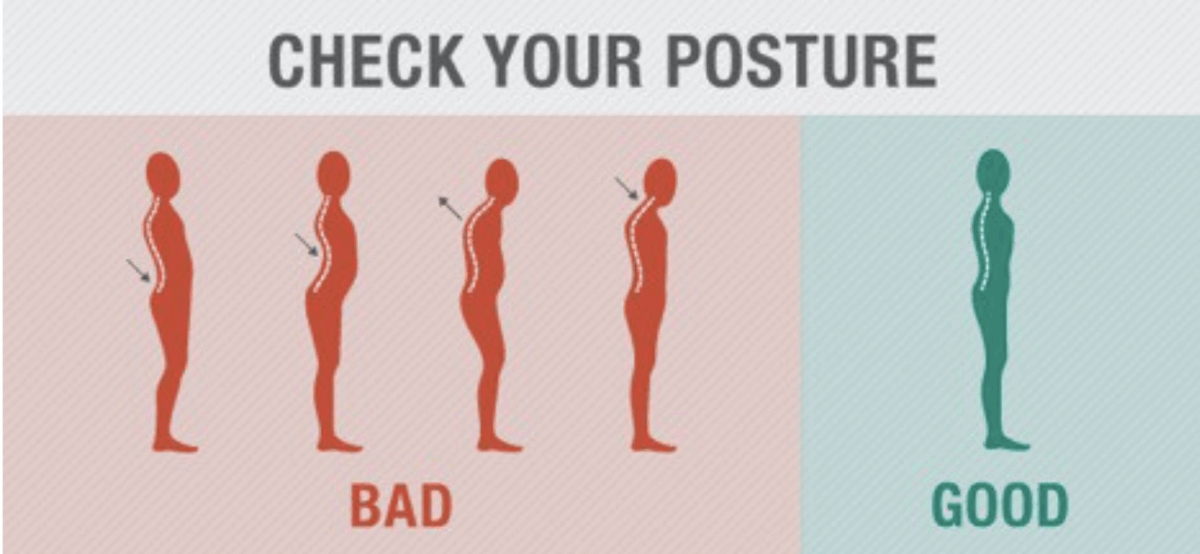
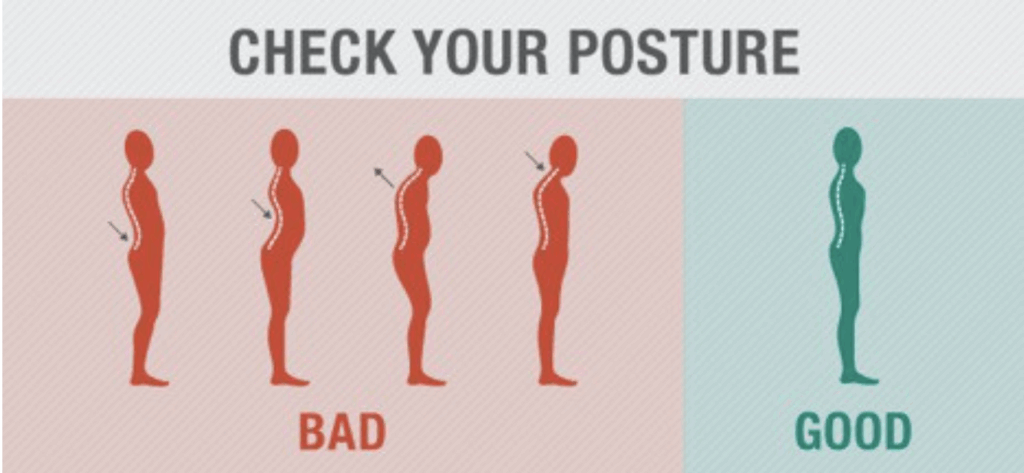
Correct Posture Graphic

You can be doing everything right in the gym and still not see the results you are looking for.  Poor posture can be the culprit and is becoming all too common in our sedentary society. Jobs are demanding us to sit longer and hunch over staring at a screen for the majority of our waking hours.  These demands can wreak havoc on our bodies alignment and impede our overall health and well-being.

 Yes, a well designed training plan is imperative towards preventing injury and feeling great. The problem is when all that hard work in the gym is reversed by the bad habits in our everyday life.

When we aren’t training we are either sitting, standing or lying down.  Here are some guidelines for when we are in these positions, to help our bodies be more efficient and improve overall posture.

 Tips for standing:

-Weight should be evenly distributed across both feet, not shifted to one side.

-Feet pointed straight ahead or slightly turned out.

-Shoulders should be pulled back with your head directly above.  Upper back should NOT be rounded and head should NOT be forward in front of your spine.

Walking around helps your body to reset itself into healthy posture, so make a point to get up from your desk at least twice an hour.

Tips for sitting:

– Hips and knees flexed at 90 degrees.

-Feet forward and flat on the ground.

-Hips, shoulders and ears in a straight line without rounding the upper back.

-Chin tucked down in a neutral position rather than elevated and forward.

-Avoid crossing the legs to prevent hip alignment issues.

We know that many of us have jobs that do require us to spend time working at desks, so knowing how to sit and stand with good posture is certainly important and beneficial to one’s health and well-being. That said, the human body was built to move, not spend 8 hours at a computer.

Tips for lying down:

-Lye on your side with shoulders, hips, knees, and ankles stacked above the opposite side.

-Pillow under your head and between your knees to promote proper alignment.  The pillow under your head should promote a neutral spine position.

-Avoid lying on your stomach or curled up in the fetal position.

Recap:

Remember, your body naturally adapts to the position it spends the most time in. The more we can move and change positions the less we will deal with nagging postural issues.  Some of these positions we discussed will take time to adjust and feel comfortable, but if you are consistent you will begin noticing the difference!

Improving posture has proven to have countless benefits including confidence, digestion, proper muscular alignment, and even mood.  Here at Core Results we would be happy to help you straighten up!  We will tailor a plan addressing your  specific body and needs.  All our trainers have extensive experience in this area, so don’t hesitate to contact us today!

Is a Whole Food, Plant Based Diet Right for You?

by Aaron Hornstra, CSCS

Thanks to the hit Netflix documentary “What the Health”, there has been an increase in popularity and awareness around a vegan or plant based diet.  The positive effects on our environment are undeniable; however, the question remains – Are whole food, plant based diets really healthier for us, and if so how do they affect our performance when training?  Should this particular diet be recommended for athletes and non-athletes alike?  Although limited research has been documented, the latest from the NSCA suggests a plant based diet, in accordance with the American Dietetic Association guidelines, CAN in fact be a viable option for health AND performance.

Whole Food Plant Based Diet

With that being said, over the years, I have witnessed the challenges clients who participate in such a restrictive diet plan face in order to consume an adequate amount of high quality protein required to achieve optimal muscle growth. In addition, per the NCSA article, research shows that those who follow whole food, plant based diets tend to have lower intakes of some very important nutrients including vitamin B-12, calcium, zinc, creatine, and omega 3 fatty acids.  These nutrients play an important role when talking about overall health and performance.

So while the available research shows that a whole food plant based diet can be a viable option for a health and performance, we must recognize that as with any restrictive diet, the client must be especially diligent in order to maintain a well-balanced diet within its parameters.

Here is the latest research article referenced above from the NSCA.
Decide for yourself if it’s right for you!

 https://www.nsca.com/education/articles/ptq/whole-food-plant-based-diets/?srsltid=AfmBOopg30AN6VFoT1lq371mC_FgbZOxYkyzNG2-7cpbjsQuDCPHUyBN


Consistency is Key!

Lisa is someone who has been a model client over the last year. Seemingly like clockwork, she comes in consistently and trains hard. As a result she has seen results. I had the chance to ask her about how she maintains that consistency and share a little about her keys to success.