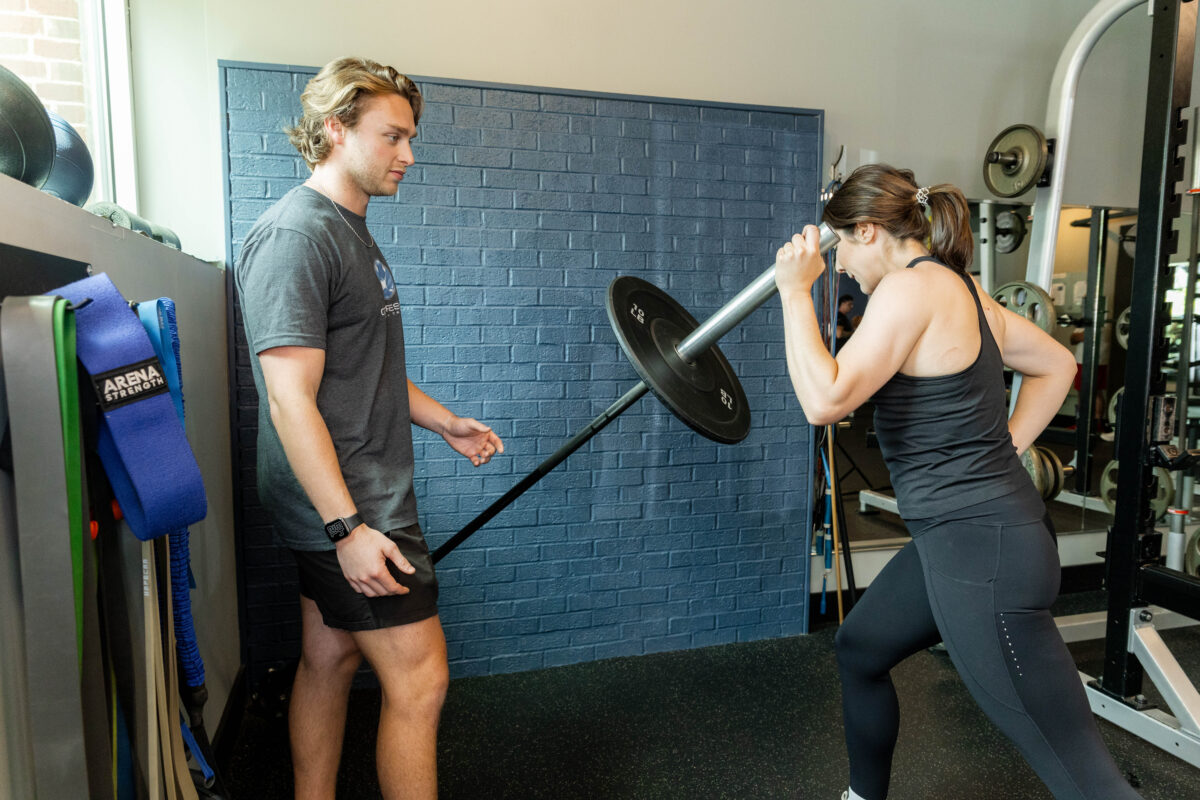
How Often You Need to Workout for Optimal Results

Alternating between cardio and strength training exercises helps provide the variety you need for success. When developing an exercise plan, one of the main elements to consider is how often you will be working out as well as the duration of each session. There is no one size fits all solution. How much exercise you really need depends on your individual workout goals.

Most exercise plans recommend a minimum of five sessions of 30-minute moderate to vigorous cardio workouts and at least two sessions of strength training each week. The right amount for each individual varies depending on their goals, workout intensity and current fitness level, e.g., beginner, intermediate or expert.

Rest days are essential for muscle and mental recovery between workout sessions. Taking time off from exercising not only gives your muscles a chance to recoup but also gives you a mental break so you can recharge and return that much more dedicated to the cause.

Think about it. After a weekend away from the job, don’t you feel more refreshed when you go back to work? The same concept applies to exercise. How long you need to rest depends on the intensity of your workout sessions.

A recent study on Olympic rowers found a significant reduction in bone building protein and an increase in painful inflammation during periods of non-stop training versus periods with rest days built in. This, among other research findings, demonstrates the detrimental effects that can occur when rest is not incorporated into vigorous exercise plans.

More intense workouts require more rest in between sessions, while some forms of moderate exercise can be carried out on a daily basis without consequence.

Light physical activities, such as walking or stretching, can be incorporated into rest days. Most personal trainers recommend at least one full day of rest for all exercise plans. When making an exercise plan, strategically plan your days of rest to occur after your more intense workout days, e.g. max out days, race days and other days of high performance activity.

One thing to keep in mind is that a day of rest for one muscle group doesn’t necessarily mean you have to rest from working out altogether. By including exercises that work different muscle groups throughout the week, you can avoid overuse of the same muscles and reduce the risk of injury, all while obtaining the full body results you are looking to achieve.

Also remember to switch things up. Whether you are aiming to lose weight or build strength, you can avoid reaching the dreaded plateau by switching up your workout frequency. Replacing a long distance run with short intervals, for example, will significantly shorten your exercise time. The time you gain from alternating your workout can then either be applied to another focus area or used for much needed rest.

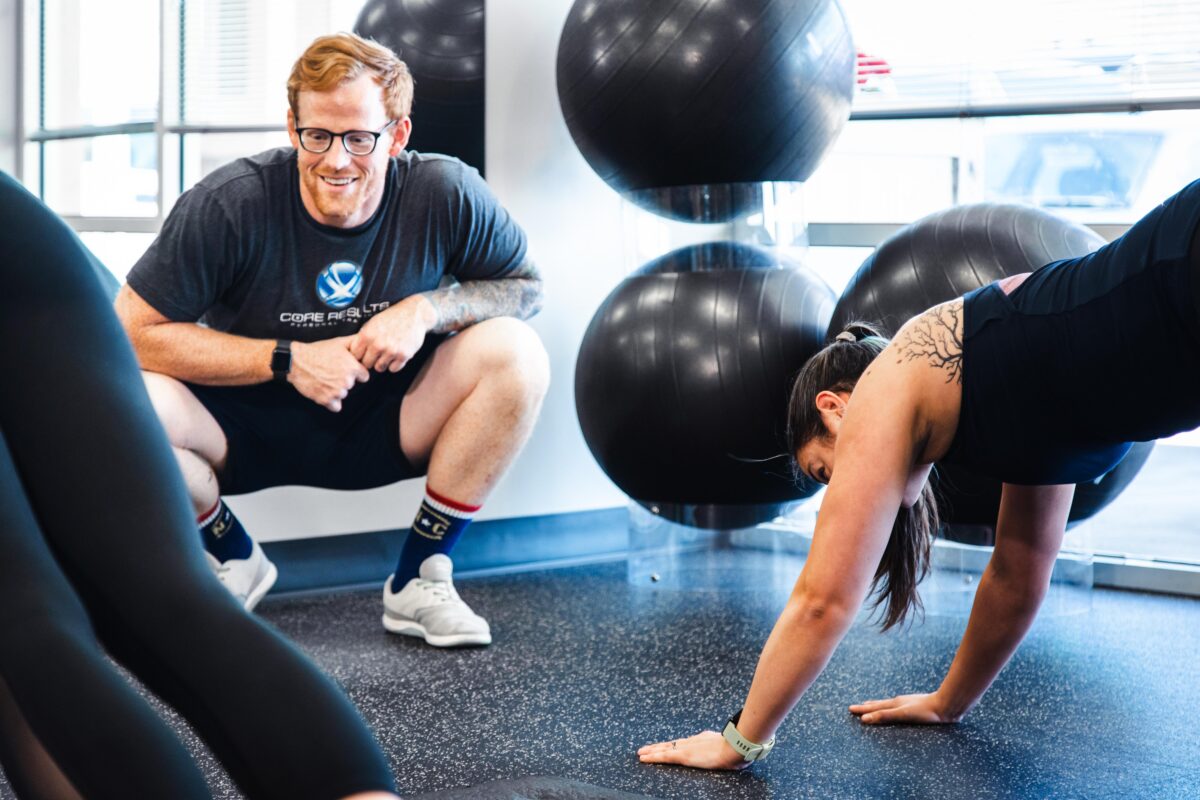
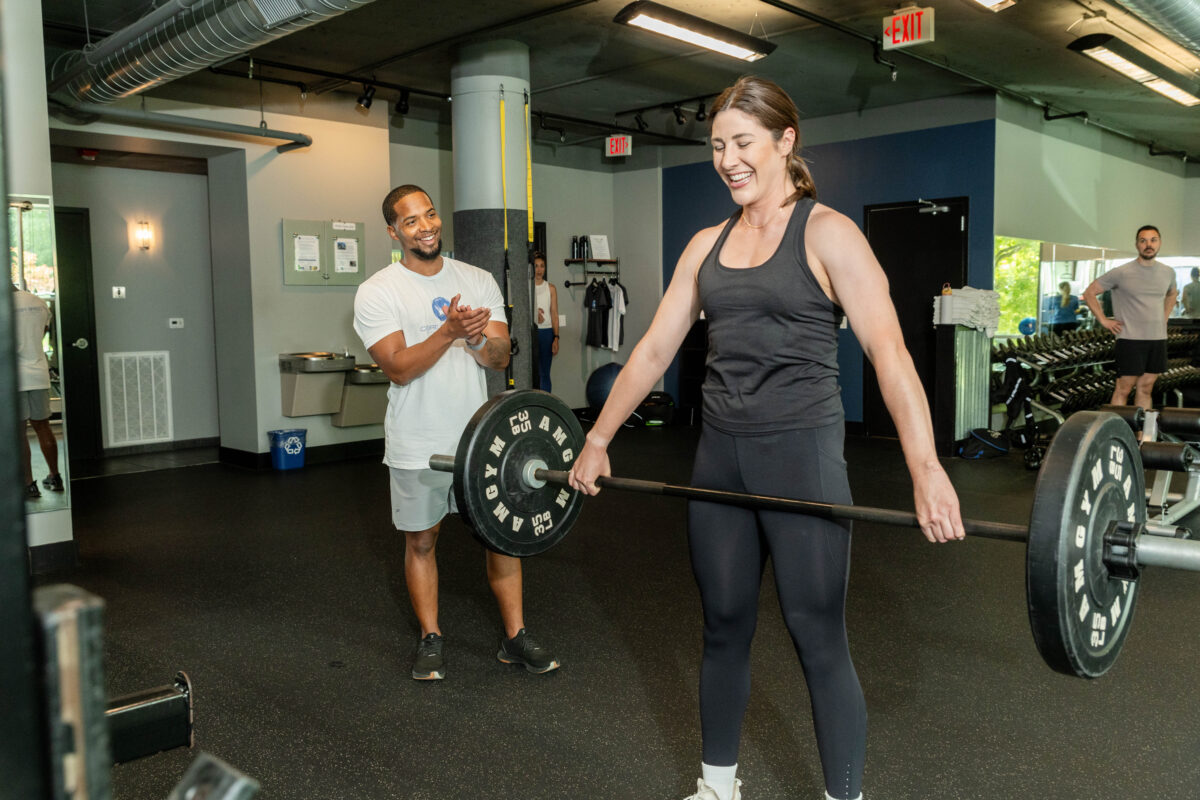
At Core Results, our personal trainers will work with you to best determine your workout frequency and duration, check your progress and mix it up as needed for optimal results. Contact us for your first FREE session today!
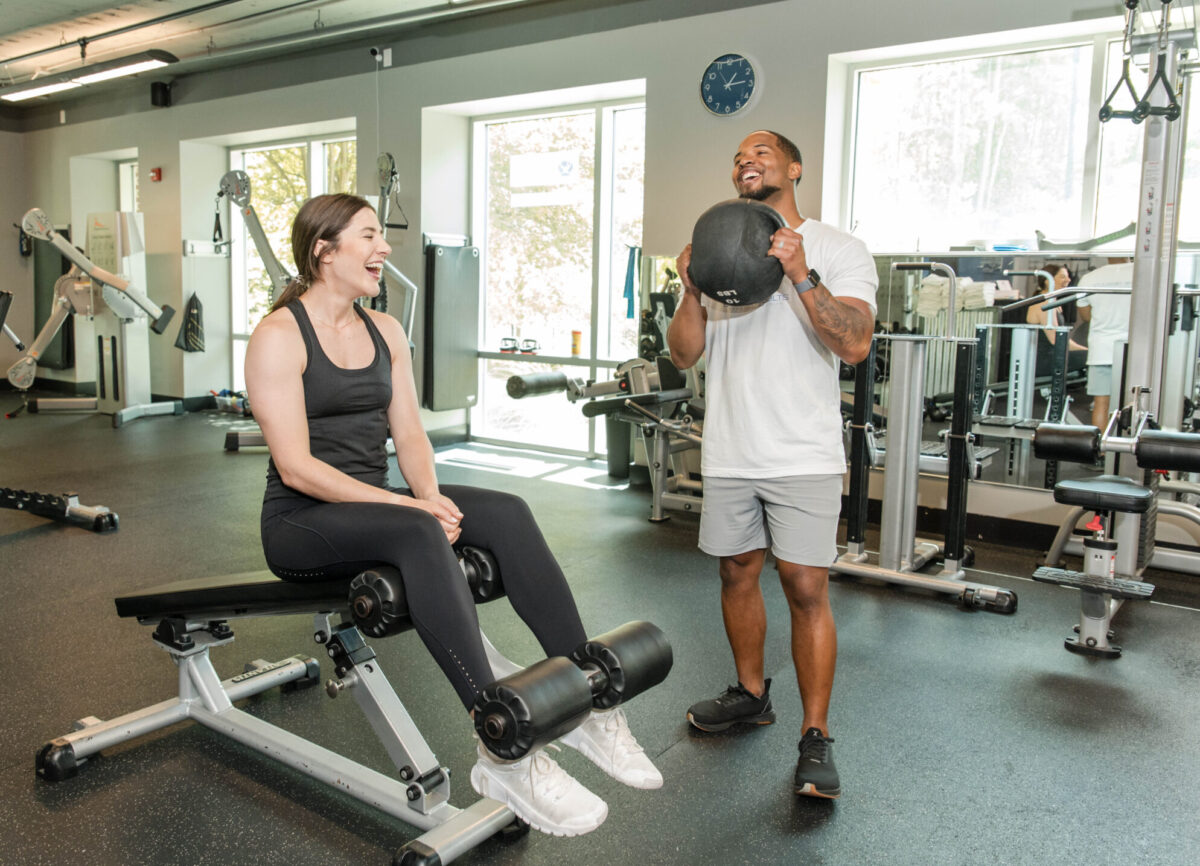
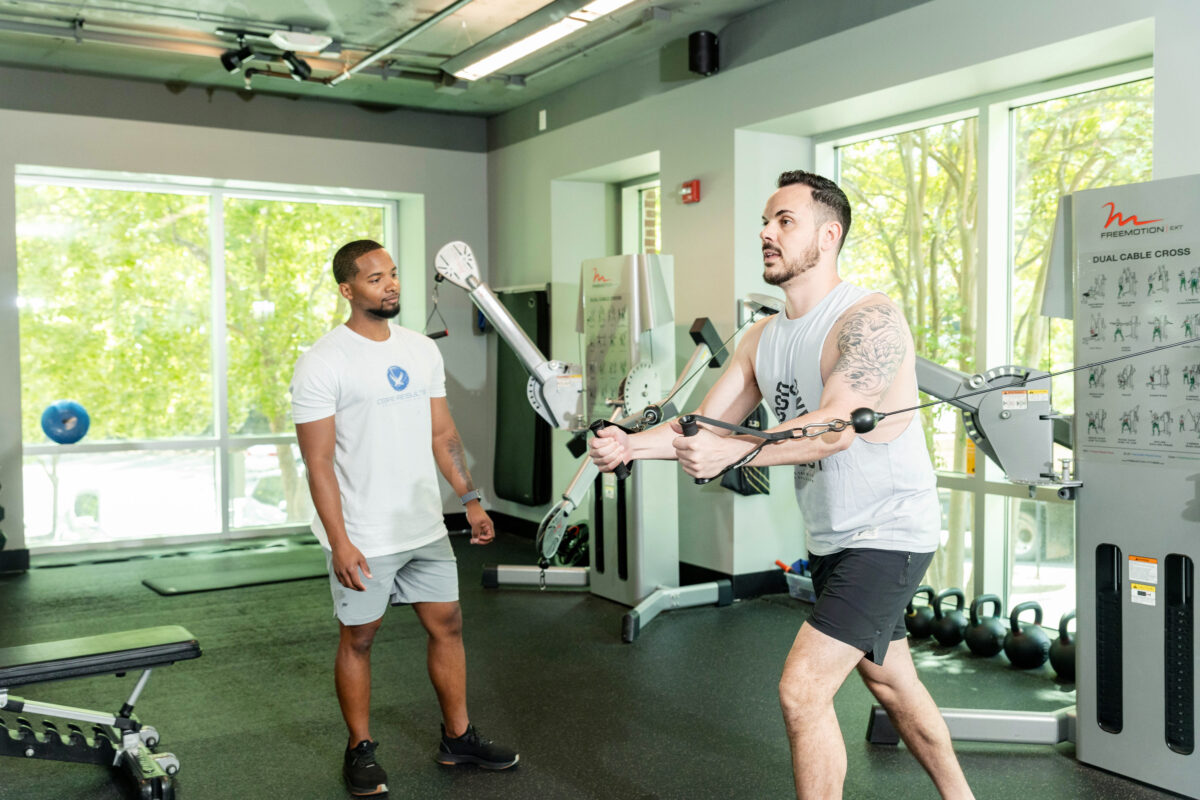
3 Reasons Why You Want to Switch up Your Workout Routine

Switching up your workout routine not only boosts new muscle growth but also helps keep you in the race for the long run. Let’s face it, we are creatures of habit. Once you find a couple of exercises that you enjoy, it is all too easy to get into a workout groove where you do the same movements over and over. While we all need regular exercise, it is important to remember to switch up your workout routine for optimal results.

Variety Holds Interest

Fitness takes commitment. If you do the same workout every time, you will see fewer results and lose drive. The likelihood of continuing an exercise plan for the long hall is significantly greater when you switch up your workout routine. Simple changes, like adding speed intervals to your regular pace, will leave you feeling invigorated and pumped for the next challenge. 

Results All Around

If you are looking for full body results, it is essential to include a variety of exercises that will strengthen muscles that you do not ordinarily use. Even muscles that you do use regularly reach a plateau if you are working them in the same way every time. When it comes to strength training, you can switch it up by changing your weightlifting frequency, the number of sets and reps you do and the amount of weight you use.

Reduced Risk of Injury

Working out the same muscles repetitively over a period of time can also result in muscular imbalances. This creates a higher risk of injury, particularly when taking on a new physical activity that requires the use of the weaker or shortened muscles. Joints movement is also significantly limited: an additional risk for injury. When runners, for example, are quad dominant, the hamstring muscles shorten. As a result, both the weakened hamstring and knee are more vulnerable to injury.

The risk of developing repetitive strain injury can also be avoided by switching up your routine. As it sounds, this type of injury occurs when you do the same motion repetitively for an extended period of time. Overuse of muscles and tendons result in the gradual development of symptoms like pain, stiffness and weakness. Athletes, manual laborers and others who use the same muscles to perform a task on a regular basis, can avoid incurring this type of injury by including exercises that strengthen the stabilizer muscles. 

Whether strength training at the gym or hitting the trail, it is important to mix up your workout routine for maximum results. When you work with a personal trainer, coming up with new workout routines will be a struggle of the past. Your trainer will work with you to identify the results you are looking to achieve and develop a versatile exercise plan custom tailored to you.

Exercise & Nutrition: The Key to Maximum Weight Loss

If you feel as though you need to lose weight, you have taken the first step towards a healthier lifestyle. The two main components of losing weight are also overwhelmingly beneficial to your overall health: nutrition and exercise.

The need to lose weight is widespread. A 2015-2016 report by the Centers of Disease Control and Prevention (CDC) indicates that more one third of the U.S. population is considered obese. According to the CDC, health conditions associated with obesity include, “heart disease, stroke, type 2 diabetes and certain types of cancer that are some of the leading causes of preventable, premature death.” While the implications are serious, the solution is simple. You can significantly reduce your risk of obesity and associated health conditions by eating healthy and regularly engaging in moderate to intense physical activity.

Nutrition

Eating healthy will not only help you lose weight but also makes you feel better.  Proteins boost your metabolism, have been shown to curb cravings and even release amino acids that help build muscle mass when it comes time to exercise. Vegetables that are low in carbohydrates, like broccoli and tomatoes, are also very low in calories, so you can eat a lot of them with no fear of calorie intake.

While you want to lower your overall calorie intake for weight loss, it is important to remember to adequately fuel yourself throughout the day. This helps prevent setbacks when it comes to sticking to a diet and is best accomplished by selecting the right kinds of foods (healthy fats are okay!) and consuming them at the right times. This is where having someone to keep you on track is particularly beneficial. When you work with a personal trainer, he or she will take the time to understand your needs and your lifestyle, then help you build a sustainable meal plan that will keep you on track as you hit your goals along the way.

Exercise

When it comes to exercise for weight loss, your best bet is a combination of weight training and cardio. When weight training to lose pounds, you need to complete a high number of reps at a high level of intensity. You can gauge the intensity by your energy level as well as your physical ability to complete a set. For optimal weight loss results, push yourself to do as many reps as you can each time you exercise.

For cardio, our personal trainers recommend a variety of exercises in terms of resistance, speed and intensity, for optimal results. By mixing up cardio exercises, you get more of a full body workout, engage more muscles and burn fat in more areas, all key elements of a successful weight loss exercise plan.

While the solution is indeed simple, many people have difficulty sticking with exercise and nutrition plans to lose weight. For weight loss plans to be successful, they have to be seen all the way through. This is where working with a personal trainer makes all the difference.

When you come to Core Results Personal Training for weight loss, there are three main tools our trainers will use to help you lose weight: weight training, cardio and diet. Your trainer will work with you to determine how many reps and the level of intensity needed for each set to maximize your weight loss results. When cravings threaten to push you astray, your personal trainer will help you keep your eyes on the prize. Contact us for your first FREE consultation today!

Free Weights vs. Machine Weights: A Comparison of the Two

There is a lot of debate in the fitness world on whether free weights or machine weights are more effective. Both methods have their advantages. Free weights are less limiting when it comes to range of motion, enabling you to strengthen a wider range of muscle groups. Machine weights, offer a different advantage: the ability to isolate and target specific muscles. Below you will find a breakdown of the differences and benefits as well as tips to combine the two for optimal results.

Free Weights

The free weight advantage: pros of using free weights include an increased capacity to build strength in the stabilizer muscles and increased versatility.

When using free weights, both the muscles you target and your stabilizer muscles get a workout. Which muscles are stabilizers you may ask? It all depends on the type of exercise you are doing. Stabilizer muscles are those that keep your body balanced and steady when performing a set. The stronger your stabilizer muscles are, the less likely you are to incur an injury both in the gym and out on the field.

Another advantage is increased versatility. With free weights, your options are essentially limitless. A set of dumbbells can be used to work everything from your glutes to your biceps. For additional muscle mass, simply increase your weight as you go along.

Tip: While free weights give you the ability to perform a wider range of motion, it is important to remember to use the proper technique to avoid injury. Your personal trainer will not only show you how to do a free weight exercise, but will also correct you as needed to ensure it is done safely. 

Machine Weights

The machine weight advantage: pros of using machine weights include the ability to isolate specific muscles and reduced risk of injury.

The ability to isolate muscle groups is particularly advantageous when fulfilling muscle specific workout plans or post rehabilitation. Physical therapists often prescribe isolation exercises post surgery to strengthen muscles that have weakened from lack of use.

Isolation can also be helpful to solve for muscular imbalances, e.g., quad dominance. Because machines essentially force you into the proper technique/position, there is less likelihood that further injury will occur and less of a learning curve for beginners.

Benefits of Combining the Two

Both free weights and machine weights have their advantages. Fortunately, you do not have to choose between the two. In fact, the best exercise plans include a combination of free and machine weights for optimal strength and conditioning.

Whether you are looking to increase strength, lose weight or recover from a past injury, our personal trainers will work with you to develop a comprehensive exercise plan. They will show you how to use each set of equipment, check for comprehension and ensure the proper technique for optimal results. Learn more about what to expect from our trainers at Core Results.

Exercise Can Significantly Boost Your Recovery Post Injury

When one area of the body is injured, it is important to strengthen supportive muscles in addition to rebuilding those that have been damaged or weakened from inactivity overtime. With a post injury exercise plan tailored to your needs, personal trainers can help you re-establish full range of motion, strength and flexibility.   

The Importance of Movement Post Surgery

Injuries resulting in surgery require a thorough exercise program for full recovery. Controlled exercise in the immediate post-operative period greatly reduces the likelihood of developing contractures, or permanent shortenings of your muscles or joints. Muscles and joints tighten and harden up in response to surgery, replacing elastic tissues with inelastic ones. The build up of these new stiff tissues around joints and muscles can result in joint deformities and in some cases a complete loss in range of motion. The sooner you can move post surgery, the better.

Post Injury Exercise Calls for a Professional

Post injury exercise can be harmful to the body if not done correctly. Even professional athletes and seasoned fitness enthusiasts can compromise recovery or cause new injury without a solid post injury exercise plan in place.

  1. First, consult with your physician to ensure you are ready.
  2. Next, you will want to work with a personal trainer who is experienced in rehabilitation exercise and injury prevention.

Your personal trainer will work with you to identify primary and supportive muscles that need to be strengthened, then design an exercise plan to re-establish full range of motion, so you can get back into the swing of things. Stronger joints and muscles also boost your body’s ability to manage pain, further accelerating your recovery post injury.  A systematic review of the effects of exercise on pain management found that increasing the strength of deep abdominal muscles and improving the stabilization of the spine is effective, reducing lower back pain in some cases by up to 20%.

Another advantage of working with a personal trainer is that he or she will see you through each step of the process, carefully monitoring your progress, making sure you reach each goal safely and preventing further injury along the way.

Common injuries are knee, back and shoulder related. Although these are common, each injury is unique, requiring a specific exercise plan tailored to the individual needs of the client. There are two main points personal trainers take into consideration when working with clients post injury:

  1. Injury specifics (location of damaged muscles, supportive muscles, joints and connective tissues, pain points, etc.) &
  2. Level of training of the client

It is important for individuals to remember they cannot jump right back into where they left off prior to the occurrence of injury. Building back strength to full recovery takes time. Those who understand this from the get go are more likely to follow through with post injury exercise plans.

“I am a runner and suffered a series of hamstring injuries in both legs which severely curtailed my running for more than 2 years. As a result of the workouts with Chris at Core Results, I see significantly increased strength and flexibility. I have been able to steadily lengthen my runs and I recently completed the ATT 10 miler.” Core Results personal trainers are highly experienced in post injury exercise and prevention, designing post-rehab programs that take clients from functional to exceptional. Read more reviews from clients who have turned to Core Results Personal Training post rehabilitation here.

Exercise for a Better State of Mind

Mental health impacts more than just our inner sense of well-being. A poor state of mind can wreck havoc on your sleeping habits, lower your immune system and even reduce your ability to manage pain. Behavioral health conditions like anxiety, work induced stress and depression are widespread. According to a 2018 SAMHSA survey, one in five U.S. adults experience a mental health condition each year.

Mounting evidence shows a strong correlation between increased physical activity and improved mental health. We’ve all experienced that great feeling of finishing a difficult set, reaching a fitness goal or running until we burn our calories for the day. Beyond the instantaneous mental high you feel when you workout, scientific evidence suggests exercise actually increases our ability to retain information and significantly reduces levels of stress and anxiety.

A Workout to Remember

Exercise reduces insulin resistance and inflammation and stimulates the release of chemicals promoting brain health and growth. Countless studies show our ability to retain information significantly improves after engaging in exercise. Others indicate regular exercise increases brain size overtime.

Astonishingly, study participants who walked at a fast pace for one hour twice a week over a span of six months experienced an increase in the volume of certain brain regions. Aerobic exercises, specifically, were associated with an increase in the size of the hippocampus, the part of the brain that processes verbal memory and learning.

Less Stress

Regular participation in aerobic exercise is associated with decreased levels of tension and a more stabilized mood. When we exercise, our stress hormone levels, like adrenaline and cortisol, go down, resulting in a state of relaxation. At the same time, our norepinephrine concentrations go up. These are naturally occurring chemicals in our bodies known to elevate mood and improve pain management.

A randomized controlled trial analyzing the impact of stationary cycling on patients with symptoms of post traumatic stress disorder found an overwhelming number of participants, (90%!), experienced significant reductions in PTSD severity after just two weeks of exercise.

While the prevalence of behavioral health conditions is widespread, regular exercise can help reduce symptoms and give you the tools you need to better manage them. Say goodbye to daily stressors, sleep better and boost your confidence with personal training tailored to your fitness needs. At Core Results, we have designed a private studio space and working environment that fosters positive, supportive relationships between each trainer and their clients. Never worked with a personal trainer before? Learn more about what to expect.

BCAAs Fact or Fiction: What Does the Science Say

Nutrition is the other major component of healthy living. Most fitness enthusiasts achieve the results they are looking for with a well-balanced exercise plan and diet.

For serious fitness enthusiasts or those looking for an additional push, supplements can help you reach that next level. Individuals who are dieting to slim down in some areas but wish to maintain their hard earned muscle mass, for instance, may find some benefits in supplementing. There is good science that shows BCAAs can do just that. 

Branched Chain Amino Acids: What’s Your Function?

BCAAs are your essential amino acids:

  • Valine,
  • Isoleucine and
  • Leucine.

When consumed, BCAAs stimulate muscle protein synthesis, i.e., the muscle building process. We naturally consume BCAAs in foods that are rich in protein like whey, milk, soy proteins, animal proteins, beans, chickpeas and lentils. Increased BCAA levels are associated with a reduced rate of protein breakdown and lower feelings of fatigue during exercise.

A topic of debate, many researchers have set out to shed further light on the effectiveness of BCAA supplementing. A study published in the International Journal of Sport Nutrition and Exercise Metabolism examined the effect of BCAA supplementation on post workout muscle soreness. The study compared two groups, one who ingested BCAA supplements and one who did not. Both groups performed 7 sets of 20 squats with 3-min intervals between each set. Findings revealed those who consumed the supplement experienced significantly less muscle soreness. In addition, those who did not supplement demonstrated a notably higher decrease in muscle force two days after the exercise was performed.

When it comes to workout nutrition, there is no “one-size fits all” solution. While BCAA supplementation has been shown to further boost muscle production, most people can get the results they are looking for with a well-balanced exercise plan and a healthy diet. That’s where personal training comes in. With your goals in mind, our team of personal trainers will analyze your current nutritional intake and help you determine whether BCAA supplementing may be right for you. Get started. Contact Core Results Personal Training today!

Strength & Power: Training Tools for Endurance Athletes

Endurance athletes require special training to ensure their muscles can support intense activity for extended periods of time. Many endurance athletes avoid the weight room with the mindset that additional muscle mass will slow them down. It may seem counterintuitive, but stronger muscles are actually what power the body to move faster, for longer.

At Core Results Personal Training, we train endurance athletes for two things: strength and power. The two elements go hand and hand. Strength drives power, and with more power, comes more speed. Similar to a car and its engine, stronger muscles generate more power. The more power you have, the faster you reach your destination.

This same analogy can be applied to any endurance sport, e.g., running, wrestling, paddling, climbing and more. Essentially, your performance in any physical activity, requiring repetitive use of the same muscles for a prolonged period of time, is greatly enhanced by investing time and energy into strengthening those muscles.

Cyclists, long distance runners, rowers and other endurance athletes already get plenty of cardio. By training for strength and power, endurance athletes can help avoid injury and accelerate faster recovery for any damage that does occur.

“When it comes to injury prevention, we especially focus on strengthening accessory muscles. We often have ‘quad dominant’ athletes, cyclists and runners, for instance, who come in with large quad muscles supported by small hamstrings and glutes. Our job is to design a well balanced program that brings everything up to par,” says Josh Hutchins, Certified Strength & Conditioning Specialist and Owner of Core Results Personal Training.  

Quad dominance takes place when the quad muscles do the work of the hamstrings and glutes. It commonly occurs in long distance runners and results in bodily imbalance, heightened injury risk and hindered performance. With a well-balanced training program that raises accessory muscles up to par, endurance athletes can expect more speed and less susceptibility to muscular imbalance related injuries. 

These strength training exercises for endurance are sure to take you the distance:

One Leg Glute Bridge

If you are struggling with quad dominance, you are going to want to strengthen the hamstrings and glutes.

The one leg glute bridge is an excellent way to bring those accessory muscles up to par. Laying on the floor with your feet flat and legs bent, raise one leg up and pull your knee to your chest to start. Extend your hips upward and lift your glutes off of the ground. This exercise will feel natural to runners and bikers, as it mimics the drive phase.

Dumbbell Squats

When training for a marathon, triathlon or other long distance sport requiring major use of your leg muscles, dumbbell squats are a great way to build some serious horsepower. Dumbbell squats primarily strengthen your lower back, front thighs and gluteal muscle groups, then hamstrings and calves.

Find a comfortable dumbbell weight that works for you and work your way up. Three sets of ten is a good place to start. 

Resistance Band Row & Cable Row

The resistance band row and cable row strengthen the upper back muscles around your shoulders. Strengthening these muscles is key for maintaining good posture for long periods of time, e.g., long distance rowing and biking.

When doing the resistance band row or cable row, be sure to:

  • Stand tall holding the handles out front.
  • Drive your elbows back.
  • Focus on pinching your shoulder blades.
  • And don’t shrug!

Whether you are training to beat your best finish time or looking to increase your endurance overall, Core Results Personal Training will help you get there. Many of our personal trainers specialize in athletic training and have competed in national endurance competitions. Contact Core Results for your first FREE session today!
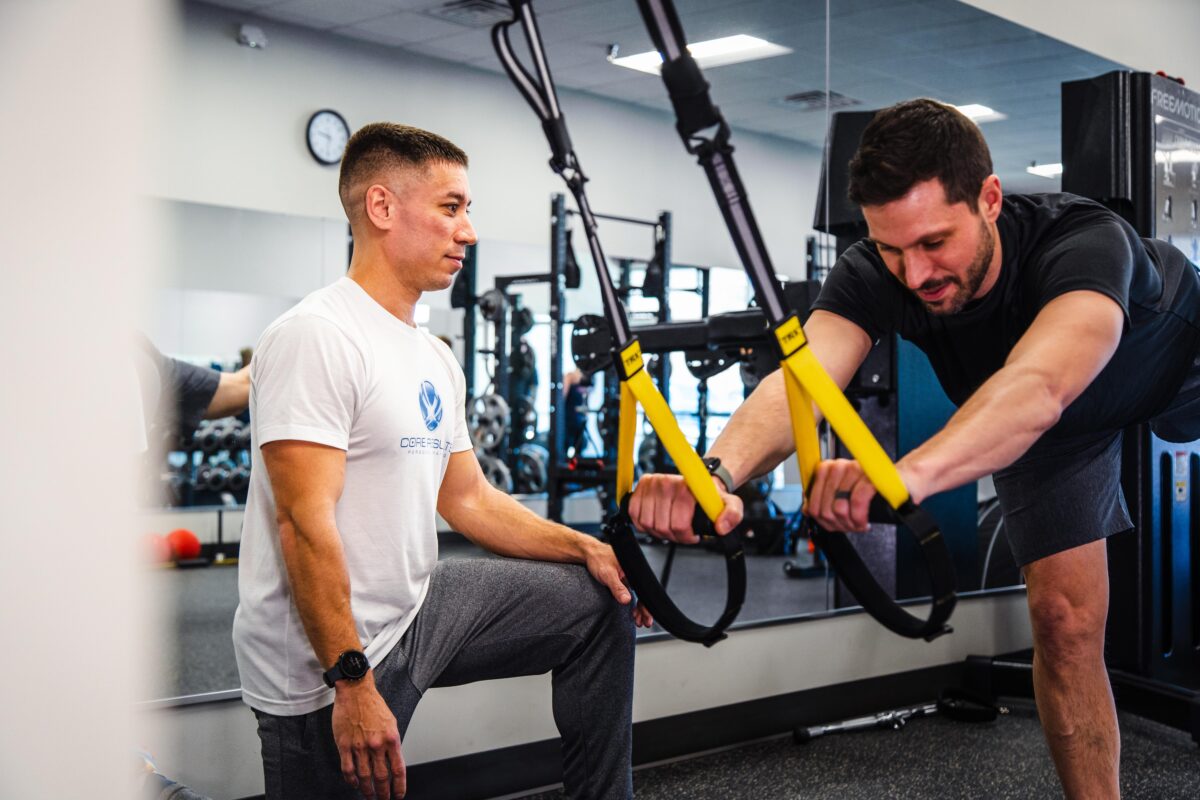
The Key to Pain Management: A Stronger Core

It is estimated that up to 20% of U.S. adults experience back pain within the course of a year, and up to 80% of adults experience back pain over the course of their lifetime. Time spent sitting in front of the television, working on the computer, driving in the car and attending class or meetings is largely stationary, involving little if no movement at all. Much of today’s society is spent engaging in physically inactive activities.

Our bodies naturally counteract physical inactivity by tightening up. This can lead to stiffening, joint immobility and pain overtime. In some cases, postural issues can develop. Fortunately, good personal training can help counteract inactivity and its negative impact on the body.

Individualized exercise is also an effective way to reduce and manage pain in people who have been injured or who are recovering from injuries. Personal trainers help develop and implement corrective exercise strategies for optimal recovery. Flexibility and compression techniques may be utilized to reduce muscle tension. When it comes to personal training for pain reduction, there are two main steps to follow.

1. Retrain the joint.

By retraining the joint, you are improving your mobility, meaning you can move in larger motions without pain.

2. Reinforce the area.

This involves strengthening your muscles. Strong, supportive muscles help alleviate pain. And any likelihood of future pain resulting from injury is greatly reduced.

Exercises that increase both flexibility and core strength, like pilates and yoga, are particularly valuable for pain reduction. Even isolated muscles that go unused in relatively active individuals can be cause for pain in certain areas.

Neck and back pain, shoulder pain and knee pain are all common ailments that can be greatly improved with good personal training.  Neck and back pain is alleviated with large, controlled motions of the spine. Knee-to-chest exercises help relieve pressure stemming from spinal stenosis or narrowing areas of the spine. Resistance training targeting the muscles around the scapula helps in the recovery of rotator cuff inflammation or tears in the shoulder area. Tendon tightness and overall weakness of the knee can also be overcome with personal training for pain reduction.

Serious pain is no joke. If you have a chronic condition, you need an individualized exercise plan tailored to your needs for optimal safety and results. Our team of personal trainers is highly experienced in corrective exercise and how it can be utilized to heal from and prevent further injury. Take the first step towards pain reduction with a stronger core. Sign up for a free session with Core Results Personal Training today!

Boost Your Workout Performance with Proper Hydration

Drinking enough water during exercise is essential for optimal endurance and strength. Those who are sufficiently hydrated prior to working out, experience less cramping, increased energy levels and even faster muscle recovery. Sounds simple and yet most studies on the subject reveal high rates of dehydration among those who exercise and/or play sports, even among experienced athletes.

Dehydration Among Exercise Enthusiasts is Widespread

  • Another evaluation measuring water repletion in cyclists during a 10-mile race revealed great underestimation of the amount of water needed.

Most people underestimate the amount of hydration needed for optimal workout performance. Just a one percent loss in body water weight throws off your heart rate and limits your body’s capacity to regulate temperature.  A two percent loss in body water weight is the threshold for decline in workout performance. A five percent loss of water is associated with a 30 percent decrease in performance during endurance exercise.

High intensity exercise is further impacted by dehydration. Hard interval training performance, for example, has been shown to decrease by up to 45 percent with a loss of only 2.5% in body water weight.

How Dehydration Impacts Workout Performance

Bodily functions that impact exercise performance work better when properly hydrated. These include blood flow, joint movement, energy storage and thermoregulation, or the way our bodies handle temperature changes.

When you do not drink enough water, your body has to work harder to achieve these functions, resulting in unnecessary fatigue. The fatigue resulting from dehydration takes away from your workout performance.

Tips to Stay Hydrated

So, how do you achieve optimal hydration to boost your workout performance? Drink plenty of water prior to exercise and in between sessions. Staying hydrated regularly will help ensure that water levels are replenished after exercise sessions. WebMD recommends the following formula:

  • 15 to 20 ounces of water one to two hours pre-workout
  • 8 to 10 ounces of water 15 minutes pre-workout
  • 8 ounces every 15 minutes during workout

Be sure to factor in hot temperatures and excessive sweating. Weigh yourself prior to and after working out. If you lose body weight during a session, that is a good indicator you lost water weight from sweating during exercise and need to replenish.

Top Symptoms of Dehydration

Still not sure if you are adequately hydrated? The following symptoms are early indicators of dehydration and sure-fire signs you need to up your water intake:

  1. Thirst
  2. Decrease in urination
  3. Early onset of fatigue during exercise
  4. Faster heart rate & breathing than normal
  5. Headache

Water intake is an essential aspect of any workout nutrition plan.  Core Results Personal Trainers are fitness professionals who understand the importance of hydration and its impact on workout performance. Meet our team of experienced trainers today.