Beyond the Resolution: Making Your Movement Matter This February

We’ve all seen it: the January “gym rush” starts to quiet down as the calendar turns to February. The initial spark of a New Year’s resolution is easy to ignite, but keeping that flame burning through the gray Raleigh and Cary winter days? That’s where the real work happens.

At Core Results, we don’t believe in “crash” goals that fizzle out by Valentine’s Day. We believe in sustainable, science-backed progress. If you’re feeling your motivation dip, you aren’t failing—you’re just entering the phase where discipline replaces excitement.

Here is how to navigate February 2026 and ensure your fitness journey stays on track.


1. Focus on Heart Health (It’s American Heart Month!)

February isn’t just about chocolates and roses; it’s American Heart Month. While many people start training to change how they look, the most important changes are the ones you can’t see.

  • The Core Approach: Strength training isn’t just for muscles. Research shows that consistent resistance training improves blood pressure and cardiovascular function.
  • Pro Tip: This month, try monitoring your Resting Heart Rate (RHR) or Heart Rate Variability (HRV) via your wearable tech. Seeing those numbers improve is a powerful motivator that goes beyond the scale.

2. The “JOMO” Mindset

In 2026, the fitness world is embracing JOMO—the Joy of Missing Out. Instead of feeling pressured by the “no days off” influencers on social media, find joy in being present with your specific plan.

  • Quality over Quantity: You don’t need to be in the gym six days a week to see elite results. Three focused, high-intensity sessions at our Raleigh or Cary studios are often more effective than five lukewarm workouts on your own.
  • Listen to Your Body: If your data (or your joints) says you need a recovery day, take it. Recovery is where the actual muscle growth happens.

3. Move with the Mayor (and the Community)

Living in the Triangle gives us unique opportunities to stay active. Whether you’re walking the trails at Bond Park in Cary or hitting the Art Museum trails in Raleigh, “Zone 2” activity (steady, low-intensity movement) is the perfect complement to your sessions at Core Results.

Did you know? 73% of people say community is the #1 factor in staying consistent. This is why our personal training model focuses on the relationship between you and your coach. You aren’t just a membership number; you’re a partner in progress.

4. Adjust, Don’t Abandon

If the goals you set in January feel too aggressive now that “real life” has settled back in, pivot.

  • Too busy for hour-long sessions? Let’s look at 30-minute high-impact blocks.
  • Feeling stagnant? It’s time to introduce Progressive Overload—incrementally increasing your weights to force your body to adapt and get stronger.

Let’s Make February Your Strongest Month Yet

Don’t let the “February Fade” happen to you. Whether you’re training for longevity, weight management, or simply to feel better in your own skin, we’re here to provide the accountability you need.

Ready to see what a customized plan looks like? Click here to book your first session for FREE at our Raleigh or Cary locations. Let’s build a version of you that lasts long after the resolutions fade.

Why 1 Gram of Protein Per Pound of Body Weight Matters


How to Hit 1 Gram of Protein Per Pound of Body Weight (Complete Guide)


If you’re serious about building muscle, losing fat, or optimizing your body composition, you’ve likely heard the golden rule: eat 1 gram of protein per pound of target body weight. It’s one of the most widely recommended protein intake targets among fitness professionals and sports nutritionists — and for good reason.

But knowing your daily protein goal is only half the battle. Actually hitting 1g of protein per pound of body weight consistently, every single day, is where most people struggle. This guide breaks down exactly how to do it.


Why 1 Gram of Protein Per Pound of Body Weight Matters

Research consistently supports high protein intake for muscle growth, fat loss, and metabolic health. Eating enough protein helps preserve lean muscle mass during a calorie deficit, supports muscle protein synthesis after workouts, keeps you fuller longer, and boosts your metabolism through the thermic effect of food. Whether your goal is muscle building, weight loss, or general fitness, hitting your daily protein target is non-negotiable.


1. Build a High-Protein Breakfast

Most people under-eat protein in the morning and struggle to catch up later in the day. Starting strong sets your foundation. High-protein breakfast ideas include scrambled eggs with turkey sausage and cheese, a protein smoothie with whey protein, Greek yogurt, and nut butter, or oatmeal with added protein powder and almonds. Aiming for 30–40g of protein at breakfast front-loads your daily target and reduces evening overeating.

2. Snack Strategically on High-Protein Foods

Smart snacking is one of the most underrated ways to boost your daily protein intake. The best high-protein snacks include Greek yogurt, cottage cheese, hard-boiled eggs, beef jerky or turkey sticks, and low-sugar protein bars. Each of these options delivers 10–25g of protein with minimal prep, making them ideal for busy schedules.

3. Center Every Meal Around a Protein Source

The simplest framework for hitting 1g of protein per pound of body weight is to build every meal around a quality protein source first, then add carbohydrates and fats. Top protein sources to prioritize are chicken breast, ground turkey, lean beef, salmon, tuna, eggs and egg whites, tofu, tempeh, and legumes paired with rice. A practical guideline: fill at least one-third of your plate with protein before adding anything else.

4. Use Protein Supplements to Fill the Gaps

Whole foods should make up the majority of your protein intake, but supplements are a convenient and effective tool when you’re falling short. Whey protein is fast-digesting and ideal post-workout, casein protein digests slowly and works well before bed, and plant-based protein is a great dairy-free alternative. Collagen protein can also be stirred into coffee or smoothies for an easy protein boost.

5. Meal Prep Your Protein in Advance

Meal prepping is the single most effective habit for hitting your protein goal consistently. Batch cooking removes the daily friction of figuring out where your protein is coming from. Effective strategies include grilling a large batch of chicken breasts on Sundays, pre-portioning snacks like boiled eggs and Greek yogurt for the week, and keeping shelf-stable proteins like canned tuna, salmon, and jerky on hand for quick meals.

6. Track Your Protein Intake

You can’t manage what you don’t measure. If you’re not consistently hitting your protein target, start tracking your food intake using an app like MyFitnessPal, Cronometer, or Lose It. Even tracking for two to four weeks can reveal patterns and gaps in your diet that are easy to correct once you spot them.

7. Stay Hydrated on a High-Protein Diet

Higher protein intake increases the demand on your kidneys and digestive system, making hydration essential. Aim for at least half your body weight in ounces of water per day, more if you’re training intensely or living in a hot climate.


How to Hit 1g of Protein Per Pound: A Quick-Reference Summary

To consistently reach your daily protein goal, start your day with 30–40g at breakfast, anchor every meal to a high-quality protein source, snack on protein-dense foods between meals, supplement with protein shakes when whole food options aren’t available, prep your proteins in bulk each week, and track your intake until it becomes second nature.


Start Hitting Your Protein Goals Today

Meeting a daily protein target of 1 gram per pound of body weight is completely achievable with the right habits in place. It doesn’t require a perfect diet — just consistent effort, smart planning, and the right strategies.

Ready to take your nutrition to the next level? Contact Core Results Personal Training today for personalized coaching, custom meal planning, and expert support tailored to your specific goals.

Enhancing Healthspan: Insights from the Book “Outlive”

In the pursuit of a longer, healthier life, the concept of healthspan has gained increasing attention. Healthspan, distinct from lifespan, refers to the number of years one lives in good health, free from chronic disease and debilitating conditions. Dr. Peter Attia, in his groundbreaking book Outlive: The Science and Art of Longevity, offers valuable insights into how we can enhance our healthspan, emphasizing prevention, lifestyle interventions, and personalized health strategies.

Understanding Healthspan

While lifespan is simply the number of years a person lives, healthspan focuses on the quality of those years. The goal is to maximize the time spent in optimal health, allowing individuals to enjoy life fully, remain active, and maintain independence as they age. Dr. Attia’s work underscores that it’s not just about adding years to life but adding life to years.

Key Principles from “Outlive”

1. Prevention Over Treatment:

One of the central tenets of Attia’s philosophy is the importance of prevention. Instead of waiting for diseases to develop and then treating them, Attia advocates for proactive measures that reduce the risk of developing chronic conditions in the first place. This involves regular screenings, understanding personal risk factors, and making informed lifestyle choices.

2. Exercise as Medicine:

Exercise is a cornerstone of extending healthspan. Attia highlights its role in improving cardiovascular health, maintaining muscle mass, enhancing metabolic function, and supporting mental well-being. Incorporating a mix of aerobic, strength, flexibility, and balance exercises into your routine can have profound effects on overall health and longevity.

3. Nutrition for Longevity:

Attia emphasizes the importance of a personalized approach to nutrition. While there is no one-size-fits-all diet, focusing on whole, minimally processed foods, managing caloric intake, and balancing macronutrients can support healthspan. Intermittent fasting and other dietary strategies may also play a role in promoting cellular repair and longevity.

4. The Role of Sleep and Stress Management:

Quality sleep and effective stress management are critical for extending healthspan. Attia points out that chronic sleep deprivation and unmanaged stress can lead to a host of health issues, including cardiovascular disease, obesity, and cognitive decline. Prioritizing restful sleep and adopting mindfulness practices can help mitigate these risks.

5. Monitoring and Data-Driven Decisions:

Advancements in technology allow us to monitor health metrics more accurately than ever before. Attia encourages using data to inform health decisions, whether through wearable devices, regular health check-ups, or advanced biomarker testing. Understanding your unique health profile enables targeted interventions that can effectively extend healthspan.

Implementing Healthspan Strategies in Your Life

At Core Results, we are committed to helping you implement these strategies to enhance your healthspan. Our personalized training programs are designed to address your unique needs and goals, incorporating the latest insights from experts like Dr. Peter Attia.

Get Started with Us:

  • Personalized Fitness Plans: Tailored workouts that combine strength, cardio, and flexibility training to support your long-term health goals.
  • Nutritional Guidance: Customized nutrition advice that aligns with your lifestyle and health objectives.
  • Wellness Coaching: Strategies for stress management, sleep optimization, and overall well-being.
  • Ongoing Support and Monitoring: Regular assessments to track your progress and adjust your program as needed.

Conclusion

Extending healthspan is about making informed choices today that will pay dividends in the future. By integrating the principles outlined in Peter Attia’s Outlive, you can take meaningful steps toward a healthier, more vibrant life. At Core Results, we’re here to guide and support you on this journey. Contact us today to learn more about how we can help you enhance your healthspan and live your best life.


Aaron Hornstra is a certified personal trainer with over 20 years of experience and the owner of Core Results Personal Training. With a passion for empowering individuals to achieve their health and fitness goals, Core Results specializes in evidence-based strategies for improving healthspan and overall well-being.

Losing Body Fat While Increasing Strength

Protein and Fitness at Core Results in Raleigh and Cary

I think it’s safe to say, for most people losing body fat and increasing lean muscle is an ideal achievement for overall health and fitness.  The question is how do we accomplish such a feat? 

When talking about nutrition, we’ve all heard jokes about the stereotypical personal trainer pushing their clients to eat more and more protein.  The fact of the matter is, maybe we should pay a bit more attention to that advice, especially if our goal is to lose body fat and get stronger at the same time!   

Protein is the single most important nutrient for weight-loss, a better looking body, and aging gracefully. You heard me right, protein is key to changing your overall body composition.  Of course there are other important factors that play a role as well, such as following a progressive strength training program and staying within your personal caloric boundaries.  But today, our focus is on the different ways protein changes how we feel and look, as well as the effects on our overall health.

A high protein intake increases metabolism (burns more calories naturally), reduces appetite, maintains lean muscle mass, and affects hunger related hormones.  Most people would agree those are all extremely important factors when considering body composition!

Let’s take a look at how this process works.  

1.  Digesting and Metabolizing Protein Burns More Calories 

After you eat your body needs energy to digest foods, this is called the “thermic effect”.  Protein has a much higher thermic effect than carbohydrates and fats.

2.  Protein Makes You Burn More Calories While Doing Nothing

Due to this high thermic effect, there is an increase in your metabolism (energy used) around the clock.  Yes, even while you are sleeping!

 3.  Protein Reduces Appetite So You Eat Fewer Calories

Numerous studies show that when you increase protein consumption there is a decrease in other calorie consumption.  This higher satiety makes it easier to restrict calories without having to count them all the time.

 4.  Protein Cuts Cravings and Late-night Snacking

Let’s face it, cravings sabotage any good eating plan and can be our worst enemy.  Interestingly, protein can have a powerful effect on both cravings and desire to snack at night.  

Last point, and possibly the most important of all for those of us who want to slow down the aging process.  

5.  Protein not only helps our muscles repair and grow, it also helps to prevent muscle loss and metabolic slowdown. 

I can’t emphasize enough the importance of this when it comes to aging well.  Each decade, starting at 30, we will lose approximately 3-8% of our lean muscle and that number increases rapidly as we age. Pretty simple,  losing muscle mass equates to a decrease in energy used and thus increase in body fat, accelerated over time.  Ouch! Eating plenty of protein and participating in a strength training program can greatly decrease this loss over time and even help to build more lean muscle.  Bottom line, a high protein diet combined with consistent strength training, is key for weight loss and body composition especially as we age.

So How Much Protein is Enough?

The latest research suggests the amount of protein needed is much more than most people would think.  Studies suggest getting 30% of your total calories a day from protein sources.  So what does that mean for you?  Here is a sample equation to find the amount of protein you need based on your weight.  

.7-1g per pound of lean body mass or 1.6g per KG of body weight (2.2kg per pound)

Example: 150lb person should get 105-150g of protein per day!

Keep in mind these numbers don’t need to be exact and the protein should be spread out throughout the day.

Final Thoughts:

There is no doubt about the importance of incorporating a high protein diet into your body composition goals.  However protein alone is not the only answer.  The magic happens when it’s combined with a strength training program and proper caloric consumption based on your age and goals!

Are you looking to change your body and need help with exercise and nutritional guidance?  We are here for you, contact us today to get set up for a free consultation with one of our highly experienced personal trainers!!

Reference Articles: https://www.healthline.com/nutrition/high-protein-diet-plan#TOC_TITLE_HDR_2

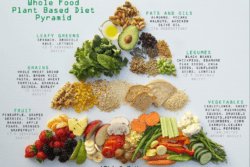
Is a Whole Food, Plant Based Diet Right for You?

by Aaron Hornstra, CSCS

Thanks to the hit Netflix documentary “What the Health”, there has been an increase in popularity and awareness around a vegan or plant based diet.  The positive effects on our environment are undeniable; however, the question remains – Are whole food, plant based diets really healthier for us, and if so how do they affect our performance when training?  Should this particular diet be recommended for athletes and non-athletes alike?  Although limited research has been documented, the latest from the NSCA suggests a plant based diet, in accordance with the American Dietetic Association guidelines, CAN in fact be a viable option for health AND performance.

Whole Food Plant Based Diet

With that being said, over the years, I have witnessed the challenges clients who participate in such a restrictive diet plan face in order to consume an adequate amount of high quality protein required to achieve optimal muscle growth. In addition, per the NCSA article, research shows that those who follow whole food, plant based diets tend to have lower intakes of some very important nutrients including vitamin B-12, calcium, zinc, creatine, and omega 3 fatty acids.  These nutrients play an important role when talking about overall health and performance.

So while the available research shows that a whole food plant based diet can be a viable option for a health and performance, we must recognize that as with any restrictive diet, the client must be especially diligent in order to maintain a well-balanced diet within its parameters.

Here is the latest research article referenced above from the NSCA.
Decide for yourself if it’s right for you!

 https://www.nsca.com/education/articles/ptq/whole-food-plant-based-diets/?srsltid=AfmBOopg30AN6VFoT1lq371mC_FgbZOxYkyzNG2-7cpbjsQuDCPHUyBN