Reach Your Weight Loss Goals in 2024 with Individualized Personal Training

With the new year on the horizon, there is no better time to start working a plan towards achieving your weight loss goals for 2024. The first step to success is establishing your weight loss goal.

Making Your Weight Loss Goal

The number one recommendation from the American Heart Association when it comes to losing weight is to set realistic goals. Make sure your goal is practical: challenging, yet achievable. If you want to lose 15 pounds in three months, for example, it may be more practical to break down the weight loss into three sections, one for each month. Since weight loss is usually faster early on, place the higher amount in your first month’s bucket. Then aim to lose the rest over the following two months. Once you feel your weight loss goal is in a good place, it’s time to choose an exercise program.

Choosing an Exercise Program

For better adherence, choose a program that is versatile. Studies indicate participants tend to stick with exercise programs for longer when they vary more in routine. Variance in routine is also beneficial for your body because each motion moves your body in a different way, requiring the use of different muscles. When it comes to strength training, you can switch it up by changing your weightlifting frequency, the number of sets and reps you do and the amount of weight you use. For cardio, you can alternate the distance you go or the method on which you travel (bike, paddle board or your own two feet!) Learn more about the importance of switching up your routine here.

Finding the Right Fuel

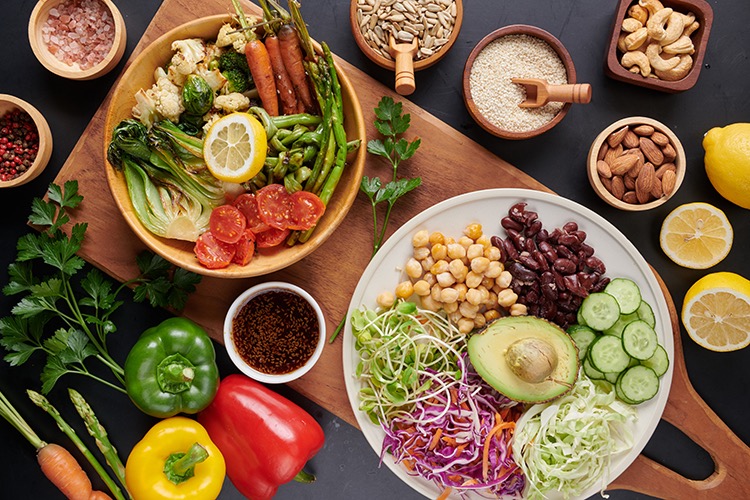
Once you have your goal in place and you have embarked on your new exercise program, it is time to consider what you eat on a regular basis and whether it is providing enough fuel, or the right kind of fuel, for your workouts. Swap foods that are high in sodium, added sugar and saturated fats for whole grains, produce, proteins and healthy snacks between meals. If you are making changes to your nutrition for weight loss, keep track of what you are eating in a food log. This helps establish accountability and may even help you curb the temptation to partake in unwise choices when cravings attack.

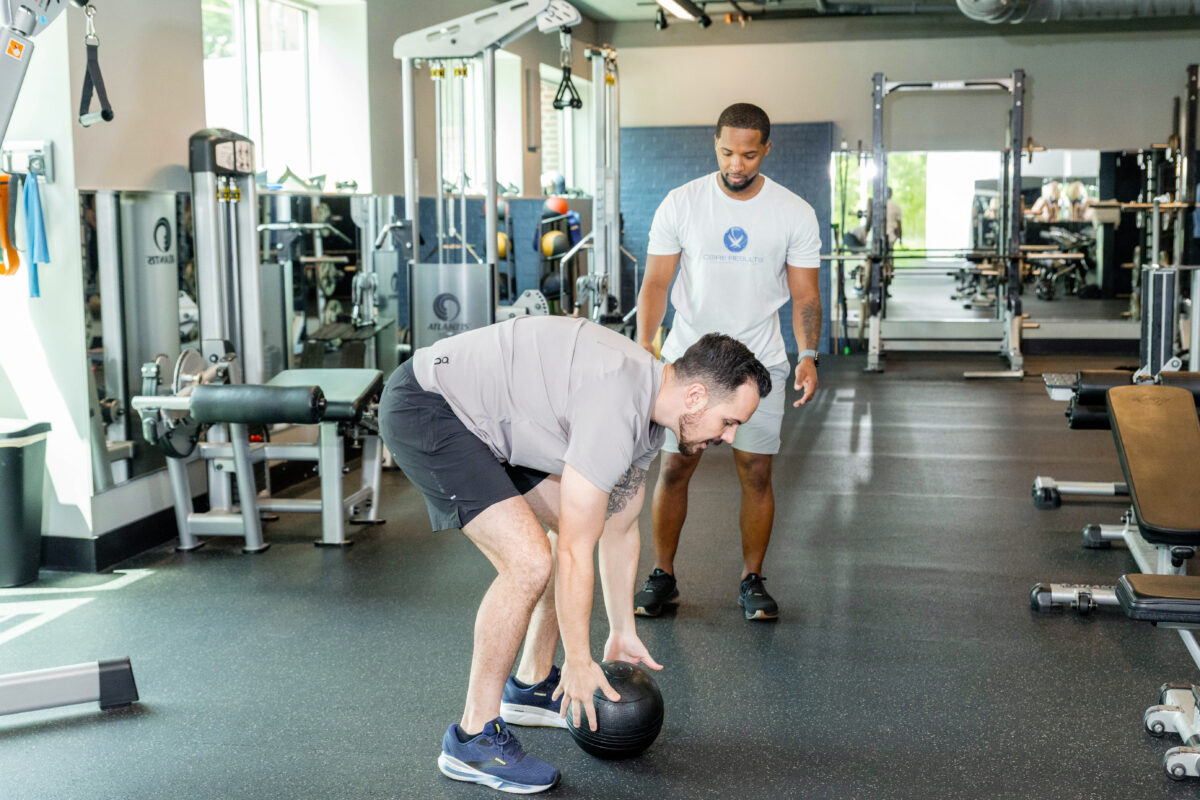
Ready to make your weight loss goals a reality? At Core Results, our personal trainers have been successfully helping clients reach their weight loss goals for more than a decade.

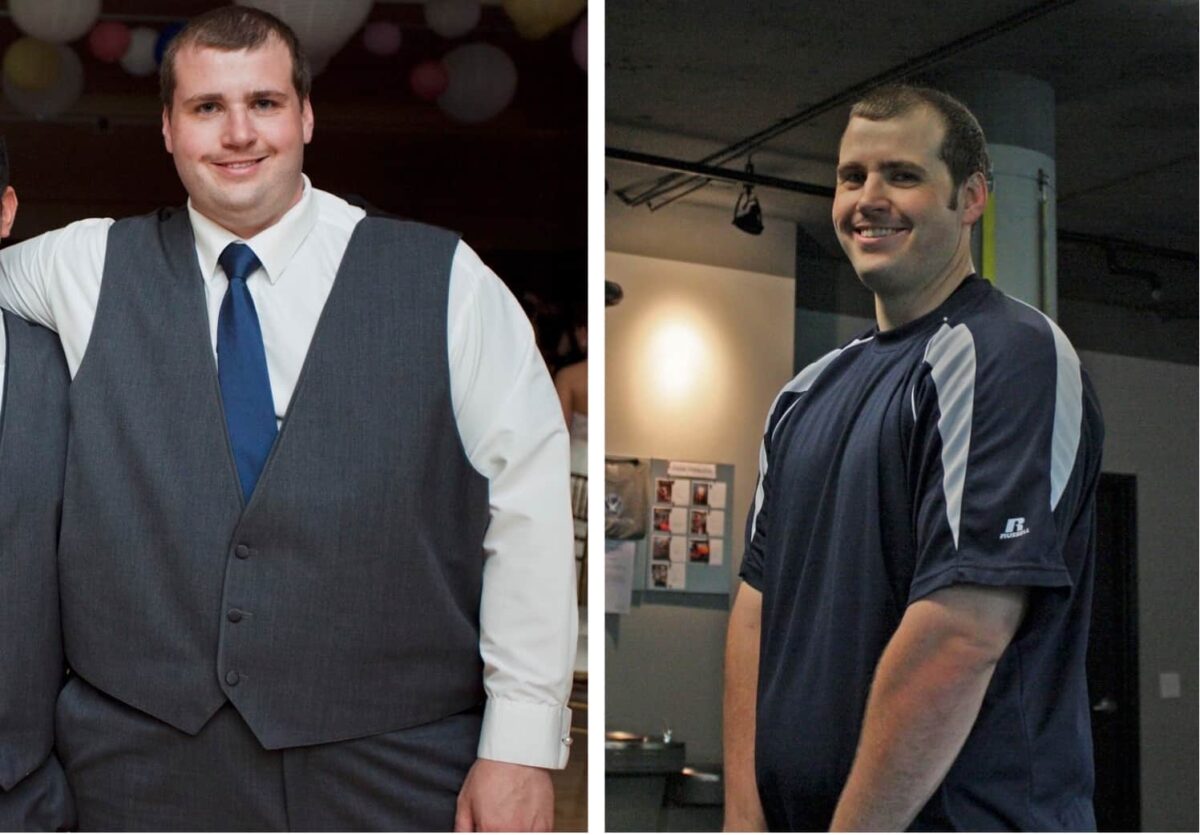
“I have already received very visible results. I have lost weight (my clothes are falling off now) and my muscles are toning up nicely. I have more energy now and Josh has given me the drive to continue with this healthy lifestyle.” Read more real results from our clients. Get started with achieving your weight loss goals. Contact us today!
Exercise & Nutrition: The Key to Maximum Weight Loss

If you feel as though you need to lose weight, you have taken the first step towards a healthier lifestyle. The two main components of losing weight are also overwhelmingly beneficial to your overall health: nutrition and exercise.

The need to lose weight is widespread. A 2015-2016 report by the Centers of Disease Control and Prevention (CDC) indicates that more one third of the U.S. population is considered obese. According to the CDC, health conditions associated with obesity include, “heart disease, stroke, type 2 diabetes and certain types of cancer that are some of the leading causes of preventable, premature death.” While the implications are serious, the solution is simple. You can significantly reduce your risk of obesity and associated health conditions by eating healthy and regularly engaging in moderate to intense physical activity.

Nutrition

Eating healthy will not only help you lose weight but also makes you feel better.  Proteins boost your metabolism, have been shown to curb cravings and even release amino acids that help build muscle mass when it comes time to exercise. Vegetables that are low in carbohydrates, like broccoli and tomatoes, are also very low in calories, so you can eat a lot of them with no fear of calorie intake.

While you want to lower your overall calorie intake for weight loss, it is important to remember to adequately fuel yourself throughout the day. This helps prevent setbacks when it comes to sticking to a diet and is best accomplished by selecting the right kinds of foods (healthy fats are okay!) and consuming them at the right times. This is where having someone to keep you on track is particularly beneficial. When you work with a personal trainer, he or she will take the time to understand your needs and your lifestyle, then help you build a sustainable meal plan that will keep you on track as you hit your goals along the way.

Exercise

When it comes to exercise for weight loss, your best bet is a combination of weight training and cardio. When weight training to lose pounds, you need to complete a high number of reps at a high level of intensity. You can gauge the intensity by your energy level as well as your physical ability to complete a set. For optimal weight loss results, push yourself to do as many reps as you can each time you exercise.

For cardio, our personal trainers recommend a variety of exercises in terms of resistance, speed and intensity, for optimal results. By mixing up cardio exercises, you get more of a full body workout, engage more muscles and burn fat in more areas, all key elements of a successful weight loss exercise plan.

While the solution is indeed simple, many people have difficulty sticking with exercise and nutrition plans to lose weight. For weight loss plans to be successful, they have to be seen all the way through. This is where working with a personal trainer makes all the difference.

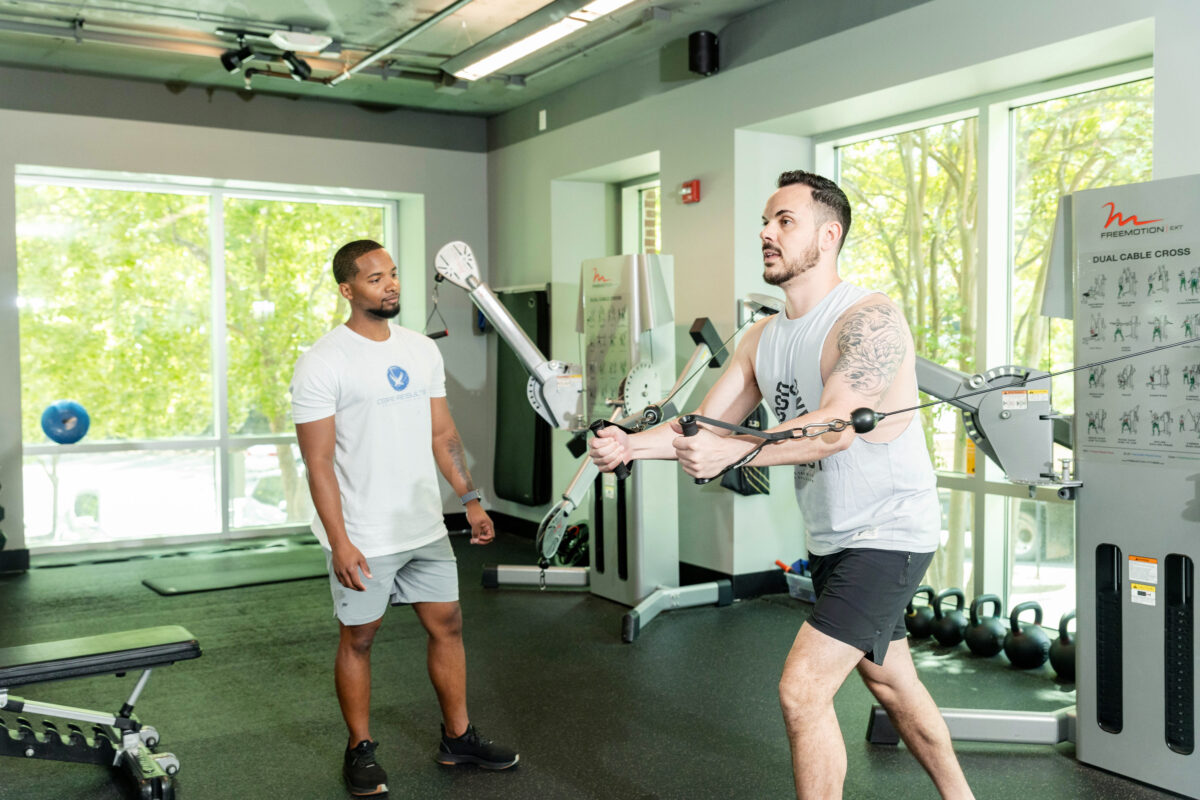
When you come to Core Results Personal Training for weight loss, there are three main tools our trainers will use to help you lose weight: weight training, cardio and diet. Your trainer will work with you to determine how many reps and the level of intensity needed for each set to maximize your weight loss results. When cravings threaten to push you astray, your personal trainer will help you keep your eyes on the prize. Contact us for your first FREE consultation today!

Is a Whole Food, Plant Based Diet Right for You?

by Aaron Hornstra, CSCS

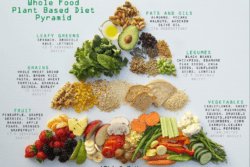
Thanks to the hit Netflix documentary “What the Health”, there has been an increase in popularity and awareness around a vegan or plant based diet.  The positive effects on our environment are undeniable; however, the question remains – Are whole food, plant based diets really healthier for us, and if so how do they affect our performance when training?  Should this particular diet be recommended for athletes and non-athletes alike?  Although limited research has been documented, the latest from the NSCA suggests a plant based diet, in accordance with the American Dietetic Association guidelines, CAN in fact be a viable option for health AND performance.

Whole Food Plant Based Diet

With that being said, over the years, I have witnessed the challenges clients who participate in such a restrictive diet plan face in order to consume an adequate amount of high quality protein required to achieve optimal muscle growth. In addition, per the NCSA article, research shows that those who follow whole food, plant based diets tend to have lower intakes of some very important nutrients including vitamin B-12, calcium, zinc, creatine, and omega 3 fatty acids.  These nutrients play an important role when talking about overall health and performance.

So while the available research shows that a whole food plant based diet can be a viable option for a health and performance, we must recognize that as with any restrictive diet, the client must be especially diligent in order to maintain a well-balanced diet within its parameters.

Here is the latest research article referenced above from the NSCA.
Decide for yourself if it’s right for you!

 https://www.nsca.com/education/articles/ptq/whole-food-plant-based-diets/?srsltid=AfmBOopg30AN6VFoT1lq371mC_FgbZOxYkyzNG2-7cpbjsQuDCPHUyBN