Why 1 Gram of Protein Per Pound of Body Weight Matters


How to Hit 1 Gram of Protein Per Pound of Body Weight (Complete Guide)


If you’re serious about building muscle, losing fat, or optimizing your body composition, you’ve likely heard the golden rule: eat 1 gram of protein per pound of target body weight. It’s one of the most widely recommended protein intake targets among fitness professionals and sports nutritionists — and for good reason.

But knowing your daily protein goal is only half the battle. Actually hitting 1g of protein per pound of body weight consistently, every single day, is where most people struggle. This guide breaks down exactly how to do it.


Why 1 Gram of Protein Per Pound of Body Weight Matters

Research consistently supports high protein intake for muscle growth, fat loss, and metabolic health. Eating enough protein helps preserve lean muscle mass during a calorie deficit, supports muscle protein synthesis after workouts, keeps you fuller longer, and boosts your metabolism through the thermic effect of food. Whether your goal is muscle building, weight loss, or general fitness, hitting your daily protein target is non-negotiable.


1. Build a High-Protein Breakfast

Most people under-eat protein in the morning and struggle to catch up later in the day. Starting strong sets your foundation. High-protein breakfast ideas include scrambled eggs with turkey sausage and cheese, a protein smoothie with whey protein, Greek yogurt, and nut butter, or oatmeal with added protein powder and almonds. Aiming for 30–40g of protein at breakfast front-loads your daily target and reduces evening overeating.

2. Snack Strategically on High-Protein Foods

Smart snacking is one of the most underrated ways to boost your daily protein intake. The best high-protein snacks include Greek yogurt, cottage cheese, hard-boiled eggs, beef jerky or turkey sticks, and low-sugar protein bars. Each of these options delivers 10–25g of protein with minimal prep, making them ideal for busy schedules.

3. Center Every Meal Around a Protein Source

The simplest framework for hitting 1g of protein per pound of body weight is to build every meal around a quality protein source first, then add carbohydrates and fats. Top protein sources to prioritize are chicken breast, ground turkey, lean beef, salmon, tuna, eggs and egg whites, tofu, tempeh, and legumes paired with rice. A practical guideline: fill at least one-third of your plate with protein before adding anything else.

4. Use Protein Supplements to Fill the Gaps

Whole foods should make up the majority of your protein intake, but supplements are a convenient and effective tool when you’re falling short. Whey protein is fast-digesting and ideal post-workout, casein protein digests slowly and works well before bed, and plant-based protein is a great dairy-free alternative. Collagen protein can also be stirred into coffee or smoothies for an easy protein boost.

5. Meal Prep Your Protein in Advance

Meal prepping is the single most effective habit for hitting your protein goal consistently. Batch cooking removes the daily friction of figuring out where your protein is coming from. Effective strategies include grilling a large batch of chicken breasts on Sundays, pre-portioning snacks like boiled eggs and Greek yogurt for the week, and keeping shelf-stable proteins like canned tuna, salmon, and jerky on hand for quick meals.

6. Track Your Protein Intake

You can’t manage what you don’t measure. If you’re not consistently hitting your protein target, start tracking your food intake using an app like MyFitnessPal, Cronometer, or Lose It. Even tracking for two to four weeks can reveal patterns and gaps in your diet that are easy to correct once you spot them.

7. Stay Hydrated on a High-Protein Diet

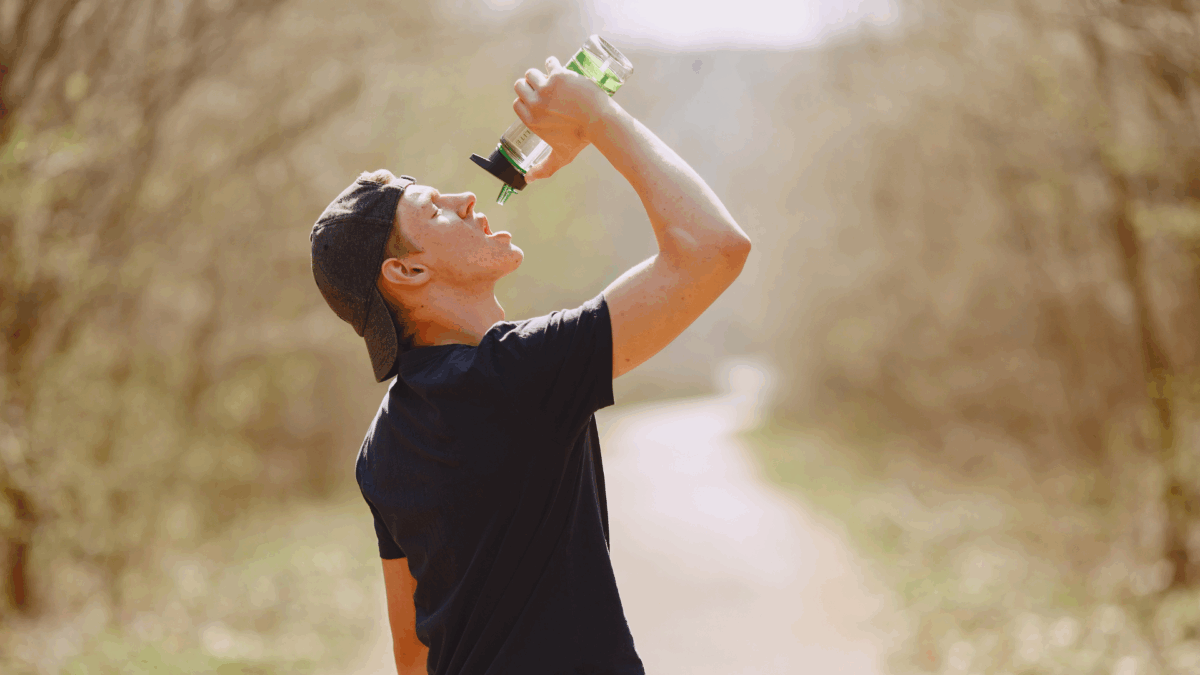
Higher protein intake increases the demand on your kidneys and digestive system, making hydration essential. Aim for at least half your body weight in ounces of water per day, more if you’re training intensely or living in a hot climate.


How to Hit 1g of Protein Per Pound: A Quick-Reference Summary

To consistently reach your daily protein goal, start your day with 30–40g at breakfast, anchor every meal to a high-quality protein source, snack on protein-dense foods between meals, supplement with protein shakes when whole food options aren’t available, prep your proteins in bulk each week, and track your intake until it becomes second nature.


Start Hitting Your Protein Goals Today

Meeting a daily protein target of 1 gram per pound of body weight is completely achievable with the right habits in place. It doesn’t require a perfect diet — just consistent effort, smart planning, and the right strategies.

Ready to take your nutrition to the next level? Contact Core Results Personal Training today for personalized coaching, custom meal planning, and expert support tailored to your specific goals.

Losing Body Fat While Increasing Strength

Protein and Fitness at Core Results in Raleigh and Cary

I think it’s safe to say, for most people losing body fat and increasing lean muscle is an ideal achievement for overall health and fitness.  The question is how do we accomplish such a feat? 

When talking about nutrition, we’ve all heard jokes about the stereotypical personal trainer pushing their clients to eat more and more protein.  The fact of the matter is, maybe we should pay a bit more attention to that advice, especially if our goal is to lose body fat and get stronger at the same time!   

Protein is the single most important nutrient for weight-loss, a better looking body, and aging gracefully. You heard me right, protein is key to changing your overall body composition.  Of course there are other important factors that play a role as well, such as following a progressive strength training program and staying within your personal caloric boundaries.  But today, our focus is on the different ways protein changes how we feel and look, as well as the effects on our overall health.

A high protein intake increases metabolism (burns more calories naturally), reduces appetite, maintains lean muscle mass, and affects hunger related hormones.  Most people would agree those are all extremely important factors when considering body composition!

Let’s take a look at how this process works.  

1.  Digesting and Metabolizing Protein Burns More Calories 

After you eat your body needs energy to digest foods, this is called the “thermic effect”.  Protein has a much higher thermic effect than carbohydrates and fats.

2.  Protein Makes You Burn More Calories While Doing Nothing

Due to this high thermic effect, there is an increase in your metabolism (energy used) around the clock.  Yes, even while you are sleeping!

 3.  Protein Reduces Appetite So You Eat Fewer Calories

Numerous studies show that when you increase protein consumption there is a decrease in other calorie consumption.  This higher satiety makes it easier to restrict calories without having to count them all the time.

 4.  Protein Cuts Cravings and Late-night Snacking

Let’s face it, cravings sabotage any good eating plan and can be our worst enemy.  Interestingly, protein can have a powerful effect on both cravings and desire to snack at night.  

Last point, and possibly the most important of all for those of us who want to slow down the aging process.  

5.  Protein not only helps our muscles repair and grow, it also helps to prevent muscle loss and metabolic slowdown. 

I can’t emphasize enough the importance of this when it comes to aging well.  Each decade, starting at 30, we will lose approximately 3-8% of our lean muscle and that number increases rapidly as we age. Pretty simple,  losing muscle mass equates to a decrease in energy used and thus increase in body fat, accelerated over time.  Ouch! Eating plenty of protein and participating in a strength training program can greatly decrease this loss over time and even help to build more lean muscle.  Bottom line, a high protein diet combined with consistent strength training, is key for weight loss and body composition especially as we age.

So How Much Protein is Enough?

The latest research suggests the amount of protein needed is much more than most people would think.  Studies suggest getting 30% of your total calories a day from protein sources.  So what does that mean for you?  Here is a sample equation to find the amount of protein you need based on your weight.  

.7-1g per pound of lean body mass or 1.6g per KG of body weight (2.2kg per pound)

Example: 150lb person should get 105-150g of protein per day!

Keep in mind these numbers don’t need to be exact and the protein should be spread out throughout the day.

Final Thoughts:

There is no doubt about the importance of incorporating a high protein diet into your body composition goals.  However protein alone is not the only answer.  The magic happens when it’s combined with a strength training program and proper caloric consumption based on your age and goals!

Are you looking to change your body and need help with exercise and nutritional guidance?  We are here for you, contact us today to get set up for a free consultation with one of our highly experienced personal trainers!!

Reference Articles: https://www.healthline.com/nutrition/high-protein-diet-plan#TOC_TITLE_HDR_2

BCAAs Fact or Fiction: What Does the Science Say

Nutrition is the other major component of healthy living. Most fitness enthusiasts achieve the results they are looking for with a well-balanced exercise plan and diet.

For serious fitness enthusiasts or those looking for an additional push, supplements can help you reach that next level. Individuals who are dieting to slim down in some areas but wish to maintain their hard earned muscle mass, for instance, may find some benefits in supplementing. There is good science that shows BCAAs can do just that. 

Branched Chain Amino Acids: What’s Your Function?

BCAAs are your essential amino acids:

  • Valine,
  • Isoleucine and
  • Leucine.

When consumed, BCAAs stimulate muscle protein synthesis, i.e., the muscle building process. We naturally consume BCAAs in foods that are rich in protein like whey, milk, soy proteins, animal proteins, beans, chickpeas and lentils. Increased BCAA levels are associated with a reduced rate of protein breakdown and lower feelings of fatigue during exercise.

A topic of debate, many researchers have set out to shed further light on the effectiveness of BCAA supplementing. A study published in the International Journal of Sport Nutrition and Exercise Metabolism examined the effect of BCAA supplementation on post workout muscle soreness. The study compared two groups, one who ingested BCAA supplements and one who did not. Both groups performed 7 sets of 20 squats with 3-min intervals between each set. Findings revealed those who consumed the supplement experienced significantly less muscle soreness. In addition, those who did not supplement demonstrated a notably higher decrease in muscle force two days after the exercise was performed.

When it comes to workout nutrition, there is no “one-size fits all” solution. While BCAA supplementation has been shown to further boost muscle production, most people can get the results they are looking for with a well-balanced exercise plan and a healthy diet. That’s where personal training comes in. With your goals in mind, our team of personal trainers will analyze your current nutritional intake and help you determine whether BCAA supplementing may be right for you. Get started. Contact Core Results Personal Training today!

Boost Your Workout Performance with Proper Hydration

Drinking enough water during exercise is essential for optimal endurance and strength. Those who are sufficiently hydrated prior to working out, experience less cramping, increased energy levels and even faster muscle recovery. Sounds simple and yet most studies on the subject reveal high rates of dehydration among those who exercise and/or play sports, even among experienced athletes.

Dehydration Among Exercise Enthusiasts is Widespread

  • Another evaluation measuring water repletion in cyclists during a 10-mile race revealed great underestimation of the amount of water needed.

Most people underestimate the amount of hydration needed for optimal workout performance. Just a one percent loss in body water weight throws off your heart rate and limits your body’s capacity to regulate temperature.  A two percent loss in body water weight is the threshold for decline in workout performance. A five percent loss of water is associated with a 30 percent decrease in performance during endurance exercise.

High intensity exercise is further impacted by dehydration. Hard interval training performance, for example, has been shown to decrease by up to 45 percent with a loss of only 2.5% in body water weight.

How Dehydration Impacts Workout Performance

Bodily functions that impact exercise performance work better when properly hydrated. These include blood flow, joint movement, energy storage and thermoregulation, or the way our bodies handle temperature changes.

When you do not drink enough water, your body has to work harder to achieve these functions, resulting in unnecessary fatigue. The fatigue resulting from dehydration takes away from your workout performance.

Tips to Stay Hydrated

So, how do you achieve optimal hydration to boost your workout performance? Drink plenty of water prior to exercise and in between sessions. Staying hydrated regularly will help ensure that water levels are replenished after exercise sessions. WebMD recommends the following formula:

  • 15 to 20 ounces of water one to two hours pre-workout
  • 8 to 10 ounces of water 15 minutes pre-workout
  • 8 ounces every 15 minutes during workout

Be sure to factor in hot temperatures and excessive sweating. Weigh yourself prior to and after working out. If you lose body weight during a session, that is a good indicator you lost water weight from sweating during exercise and need to replenish.

Top Symptoms of Dehydration

Still not sure if you are adequately hydrated? The following symptoms are early indicators of dehydration and sure-fire signs you need to up your water intake:

  1. Thirst
  2. Decrease in urination
  3. Early onset of fatigue during exercise
  4. Faster heart rate & breathing than normal
  5. Headache

Water intake is an essential aspect of any workout nutrition plan.  Core Results Personal Trainers are fitness professionals who understand the importance of hydration and its impact on workout performance. Meet our team of experienced trainers today.

The Right Kind of Workout Protein Can Help Yield the Results You Want

Most people consume an adequate amount of protein each day. But when it comes to exercise, adding the right type of workout protein to your diet can make all the difference. With so many different workout proteins to choose from, it can be difficult to figure out which type to go with. Workout proteins like whey, casein and soy, have been shown to enhance both performance and recovery.

Whey Protein

What it is: One of the most common forms of workout protein, whey protein is comprised of a mixture of proteins isolated from the liquid part of milk that separates during cheese production. Whey is typically sold in a powder form and then mixed into a beverage.

How it impacts your workout: Due to the high number of amino acids the consumption of whey creates as well as its ability to be rapidly digested, whey protein is an excellent choice for improved muscle protein synthesis. What does that mean? Your body produces protein that repairs muscle damage from intense exercise or physical activity. The result? Improved strength, muscle gain and reduced body fat.

A 2011 study on whey’s impact on exercise recovery found that taking a large dose of whey immediately after exercise had the most benefit. McMaster University researcher, Daniel W.D. West, explains, “whey is high in leucine and the fact that it is rapidly digested means there is a rapid appearance of essential amino acids, including leucine.” These acids act as essential building blocks for muscle recovery and repair, making whey an ideal choice post workout.

Casein Protein

What it is: Casein is the other byproduct of cheese production – the solid part that separates from the liquid portion. Also typically purchased in powder form, casein protein is mixed and consumed with water and other beverages.

How it impacts your workout: Casein is digested very slowly in comparison to whey. Due to the slow digestion, casein is an ideal protein to reduce excessive eating and accompany weight loss initiatives. It is also a great protein for endurance athletes, as it provides long lasting energy.

Multi-protein blends including both casein and whey are also used to enhance workout and recovery.

Soy Protein

What it is: A plant-based protein, soy protein is isolated from the soybean legume. Due to its plant-based properties, soy protein is an ideal option for vegans, those with milk allergies and/or dairy intolerance. Despite the fact that this protein comes from plants, soy is a complete protein, meaning you will get all the amino acids you need for optimal muscle building and recovery.

How it impacts your workout: When it comes to the speed at which protein is used by the muscles, soy protein falls somewhere in the middle between whey and casein proteins.

When taking whey, casein or soy proteins, it is important to factor in how much protein you consume regularly throughout the day. Core Results personal trainers are extremely knowledgeable in regards to nutrition and exercise. Whether you are coming to lose weight, build muscle or improve endurance, our trainers will assist you in developing a nutrition plan that will fuel your workouts and provide the results you want.  

Get the Most Out of Your Workout with a Healthy Diet

What you eat impacts your workout performance and recovery. Get the most out of your workout with a healthy diet: sustained energy, preserved muscle mass, better performance and more.

Sustained Energy

Carb consumption helps sustain energy. Foods rich in carbs can help provide energy before a long race or endurance exercise. Carbs are also quite useful to improve performance during shorter term, high intensity workouts.

For the best results, stick to complex carbohydrates, like stone-rolled oats or sweet potatoes.

Preserved Muscle Mass

Eating protein within a few hours before you workout helps boost muscle mass. When you eat protein, amino acids are released into your bloodstream, greatly increasing muscle-building capabilities. Protein consumption prior to working out and following exercise has been shown to help stimulate muscle tissue growth and repair. This reduces muscle damage and results in faster recovery.

Animal proteins, e.g, meat, eggs and poultry, are your best bet when it comes to essential amino acids. Add some carbs to your protein for additional muscle preservation and liver glycogen.

Better Performance

Increased muscle mass and better performance go hand in hand. Eating a combination of protein and carbs prior to exercise has been shown to boost performance. When asked what the ideal meal is for better performance, sports nutrition expert Christine Rosenbloom, PhD, RD says to look for choices that are:

  1. Low in fat
  2. Moderate in carbs and protein
  3. Low in fiber
  4. Full of fluids
  5. Made up of familiar, well tolerated foods

If you are running low on fuel during endurance or high intensity sessions, eating a few carbs can provide a much needed, immediate energy source. For training sessions lasting less than two hours, skip the carb intake during your workout and always be sure to drink plenty of water.

Additional Healthy Eating Tips:

  • Choose proteins, veggies and carbs that are minimally processed, high in quality & healthy.
  • Portions are key. Make sure your portion is the right size for your needs.
  • Eat slowly until you are full.

Core Results personal trainers have the education, certifications, and expertise to coach you through every aspect of your fitness, including expert insight into how your diet impacts your workout performance and recovery. We’ll work with you every step of the way, including meal plans optimized for building muscle mass or weight loss and a workout regime that focuses on your specific needs. Learn more about strength training with a personal trainer today!

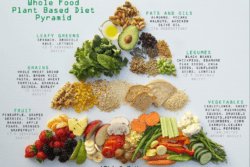
Is a Whole Food, Plant Based Diet Right for You?

by Aaron Hornstra, CSCS

Thanks to the hit Netflix documentary “What the Health”, there has been an increase in popularity and awareness around a vegan or plant based diet.  The positive effects on our environment are undeniable; however, the question remains – Are whole food, plant based diets really healthier for us, and if so how do they affect our performance when training?  Should this particular diet be recommended for athletes and non-athletes alike?  Although limited research has been documented, the latest from the NSCA suggests a plant based diet, in accordance with the American Dietetic Association guidelines, CAN in fact be a viable option for health AND performance.

Whole Food Plant Based Diet

With that being said, over the years, I have witnessed the challenges clients who participate in such a restrictive diet plan face in order to consume an adequate amount of high quality protein required to achieve optimal muscle growth. In addition, per the NCSA article, research shows that those who follow whole food, plant based diets tend to have lower intakes of some very important nutrients including vitamin B-12, calcium, zinc, creatine, and omega 3 fatty acids.  These nutrients play an important role when talking about overall health and performance.

So while the available research shows that a whole food plant based diet can be a viable option for a health and performance, we must recognize that as with any restrictive diet, the client must be especially diligent in order to maintain a well-balanced diet within its parameters.

Here is the latest research article referenced above from the NSCA.
Decide for yourself if it’s right for you!

 https://www.nsca.com/education/articles/ptq/whole-food-plant-based-diets/?srsltid=AfmBOopg30AN6VFoT1lq371mC_FgbZOxYkyzNG2-7cpbjsQuDCPHUyBN