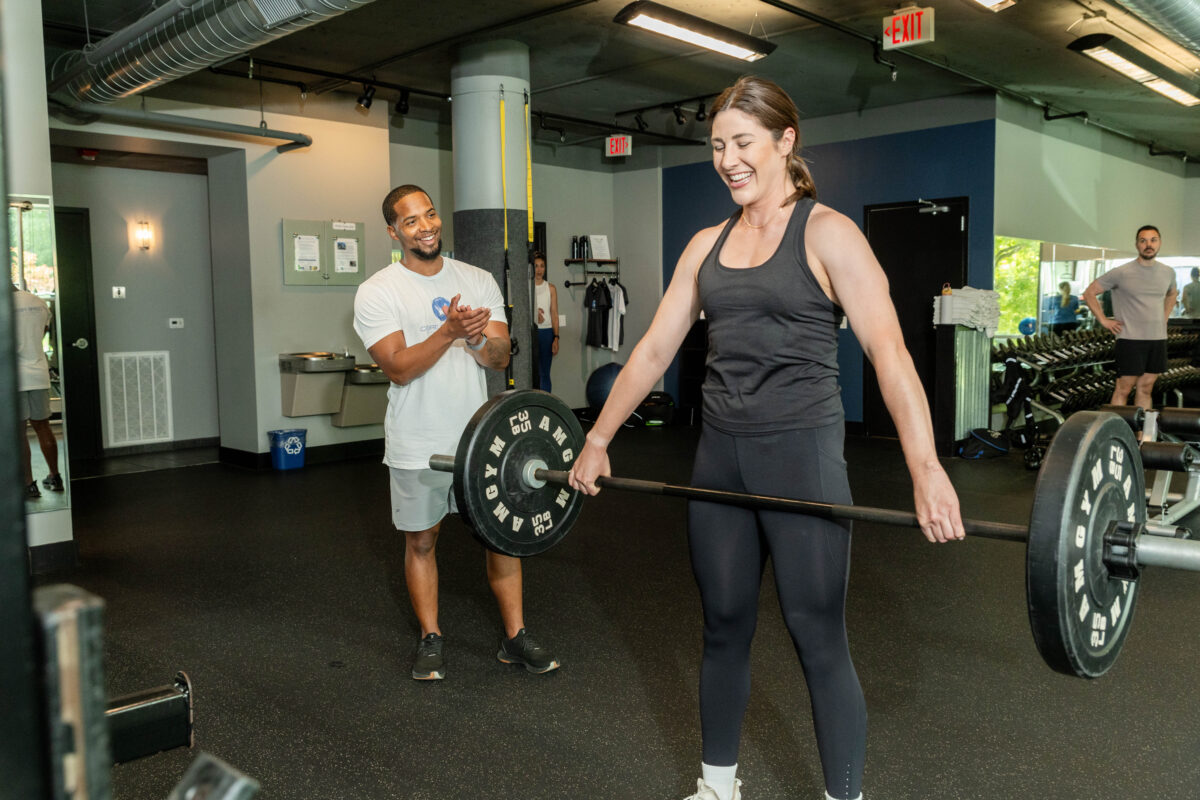
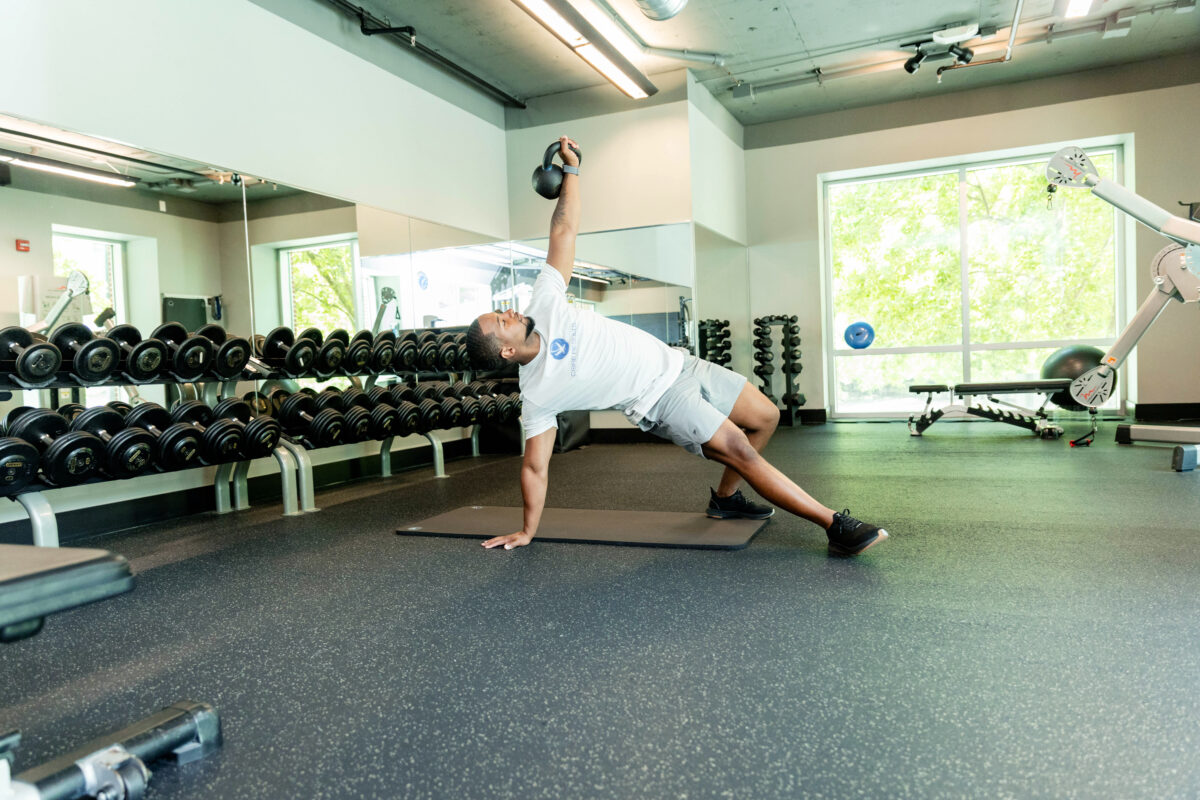
Stretch Your Limits with Pre & Post Workout Lengthening Exercises

One of the most valuable actions you can take post and pre-workout is simple to do but often overlooked. Stretching before you push your body to the limit can both help you reach new plateaus and prevent you from occurring injury in the process.

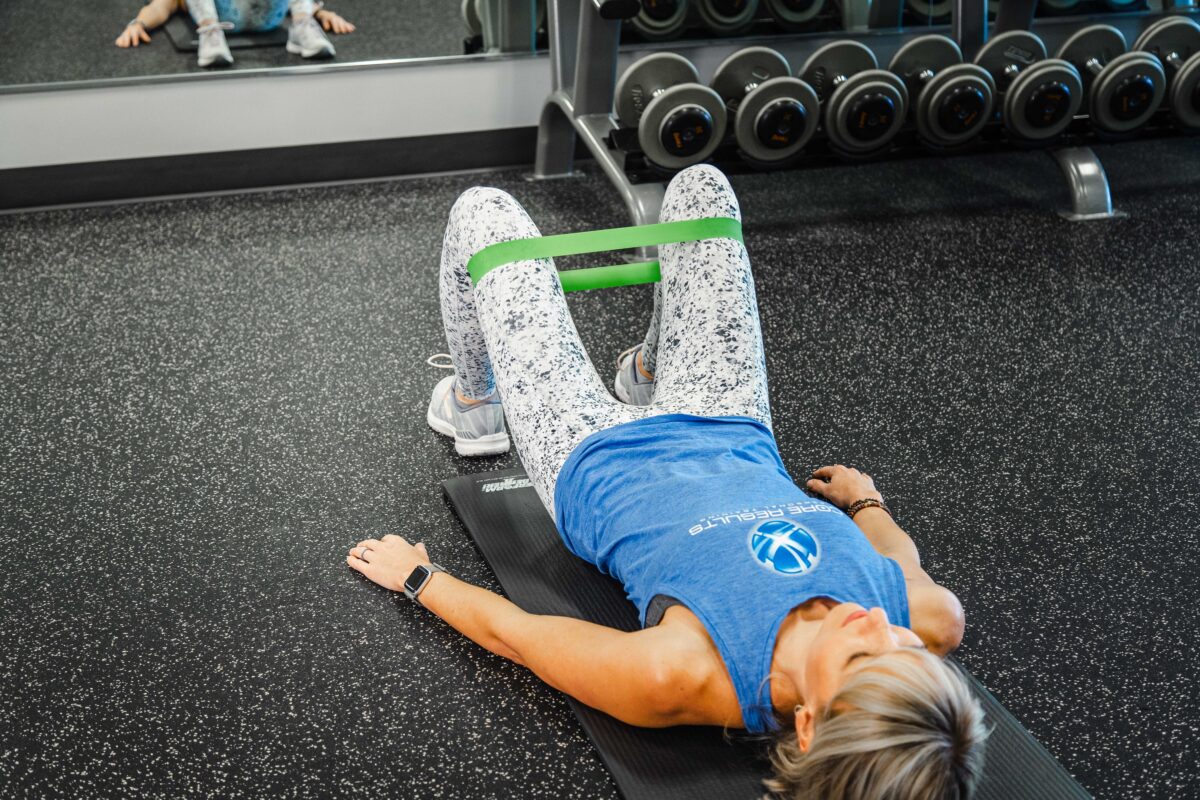
Stretch your limits with pre and post workout lengthening exercises. Each time you stretch, you are giving your muscles the opportunity to lengthen to their full potential. This simple movement provides great benefits. When muscles are long, they are less likely to feel tight, naturally resulting in the ability to make a larger range of motion without consequence. Muscles can also build strength more easily when long, versus short because they are able to work at their full capacity.

Have you ever sat in one position for too long, perhaps in front of the computer at work with your head hunched forward. When you went to stand up, the small of your back felt tight and painful. This is the result of muscles shortening from not being used for a period of time. Once muscles are shortened, they are weakened, resulting in a greater likelihood of injury. Pre and post workout stretching helps battle this common occurrence, reducing your chance of injury from exercise and other physical activities throughout the day.

In an article published by Harvard Health, PT, David Nolan, of Massachusetts General Hospital, emphasizes the importance of stretching for everyday health. “A lot of people don’t understand that stretching has to happen on a regular basis. It should be daily.” For optimal effectiveness, stretch before and after each workout. Hold each stretch for about 30 seconds. Once you begin stretching, remember flexibility takes time, particularly when muscles have been shortened for a long period of time.

At Core Results, our personal trainers understand the importance of pre and post workout stretches and will incorporate a variety of lengthening techniques into your exercise plan to build and improve upon your level of flexibility. Contact us for your first FREE consult today!
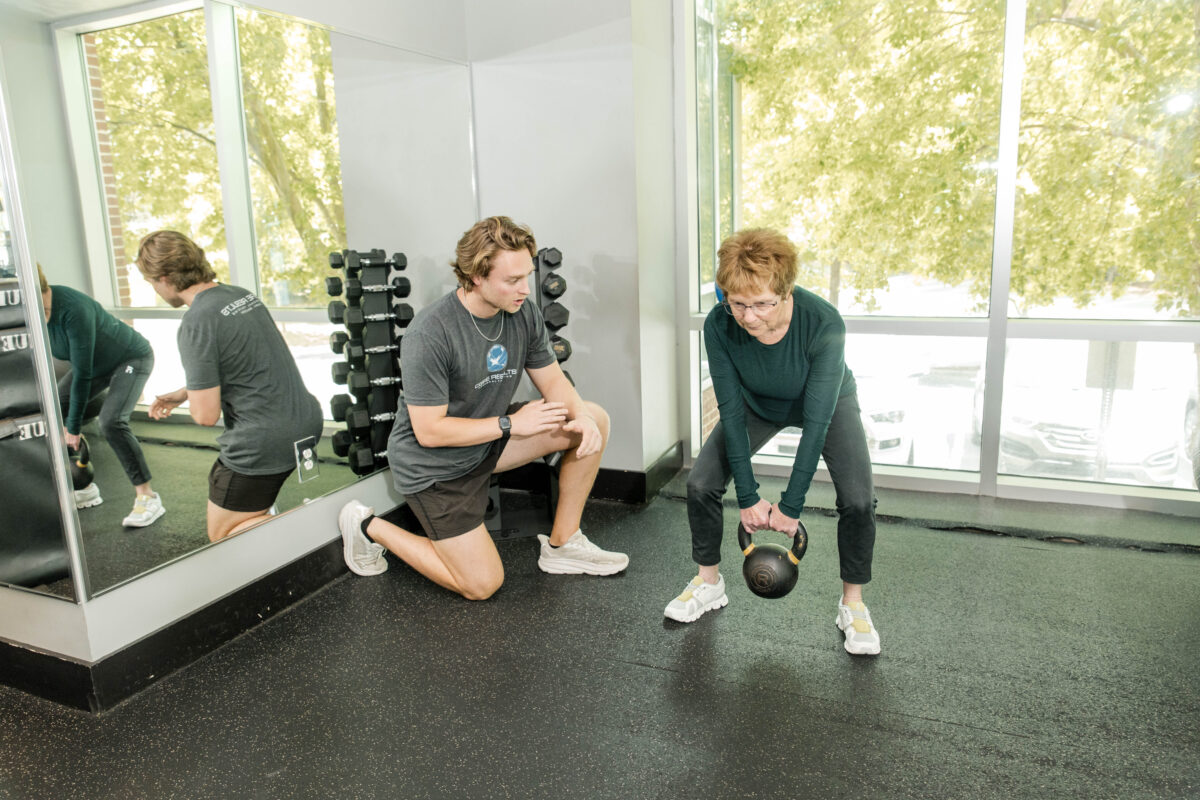
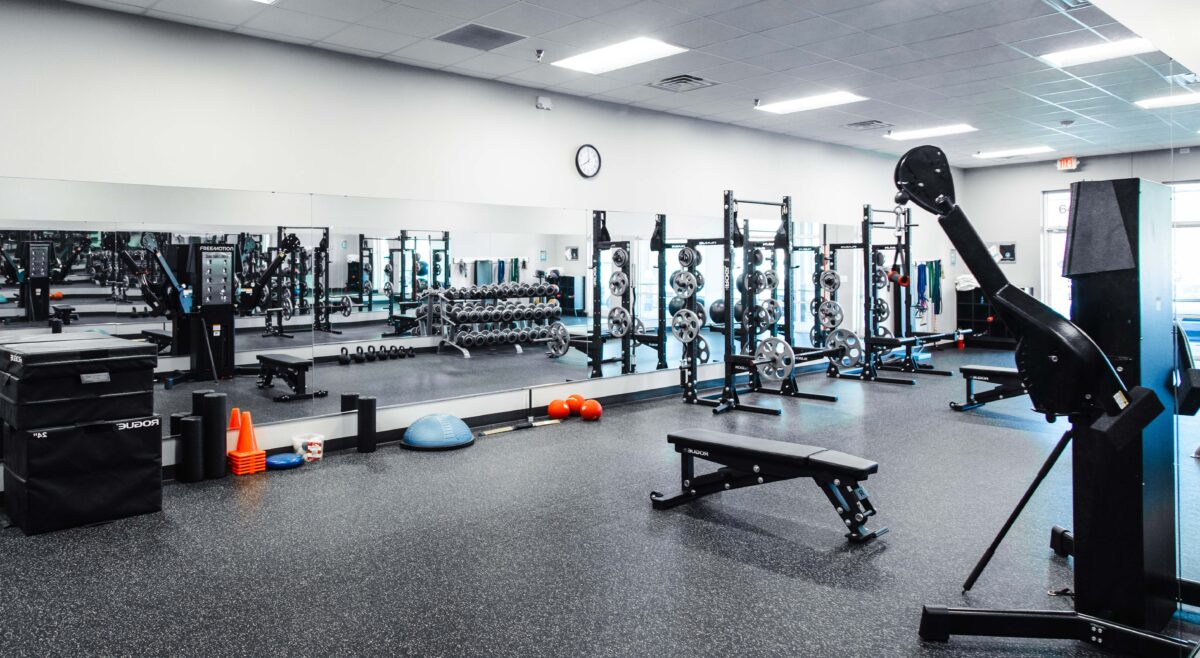
Bridging the Gap Between Functionality & Performance with Post Rehab Exercise

After completing a post injury rehabilitation program, patients receive follow up instructions to continue their recovery process on their own at home. One of the most vital components of any follow up plan is exercise. Rehab exercises are designed to reestablish full range of motion, so you can get back into your regular activities without delay. While post injury exercise is vital for recovery, many individuals struggle to adhere to exercise plans for a sufficient period of time. Others, who do adhere to plans, may wish to invest more time and energy into exercise to maximize performance. In both of these cases, individuals can find the assistance they need with a knowledgeable and experienced personal trainer.

Adhering to Post Injury Exercise Plans

Post rehab exercise programs build serious strength, boost your performance and reduce the chance of future injury, all essential elements of a full recovery. Despite the benefits that post injury exercise provides, many people stop short of completing their follow up plans.

Studies analyzing patient adherence have found noncompliance with home exercises in musculoskeletal cohorts in thirty to fifty percent of cases, “making it a significant issue that places additional burden on patients and health care providers.” Nonadherence with post injury exercise programs can:

  • Extend the length of treatment,
  • Negatively impact the patient provider relationship
  • Compromise the effectiveness of treatment.

Patients who did not exercise regularly prior to injury are more likely not to adhere to exercise plans post injury. Others list additional injury as a primary concern.

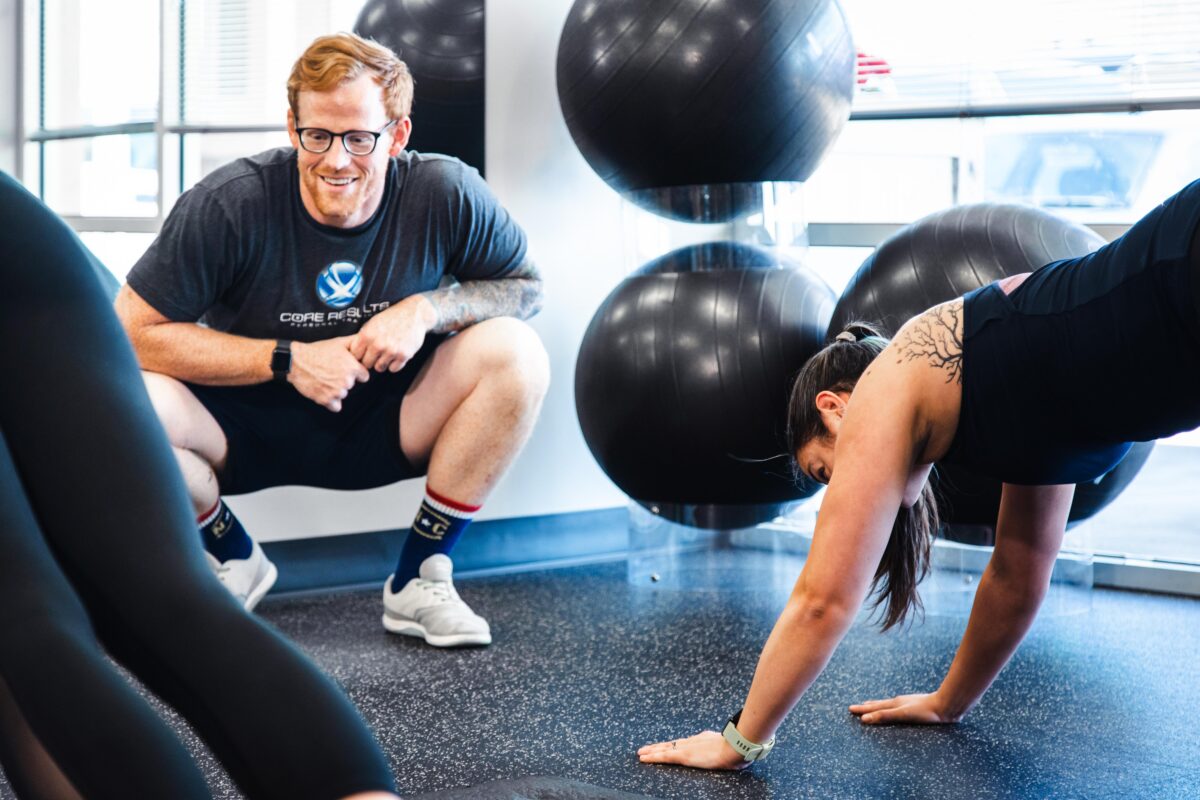
If safety is a concern for you, working with a personal trainer is your best bet. They will check your form, particularly in the area where you were injured, to ensure good posture and avoid overcorrection. Listen to your body. If you feel any pain, let your personal trainer know right away. One great advantage of working with a personal trainer post injury is that you will be provided with a wide range of exercises to choose from. If you detect pain, your trainer will either alter your position to limit the range of motion or have you switch to a different exercise.

Bridging the Gap Between Functionality & Performance

One of the best things you can do for your health post injury rehab is commit to a regular exercise program. Even post recovery, exercise is vital for ongoing health and well-being. For those who want to progress physical abilities from functional to optimal, personal training is the way to go. While rehab exercise is designed to get patients back into their everyday routines, regular, ongoing exercise programs are designed to build strength, lose weight and/or achieve additional fitness goals. Athletes who have recovered from injury, for example, can not only bring their performance level back up to where it was prior to injury, but also build on that performance level with ongoing personal training.

At Core Results, our personal trainers understand the importance of rehabilitation exercise and can help you safely transition from rehab exercise to a regular, ongoing exercise plan. Contact us for your first FREE consult today!
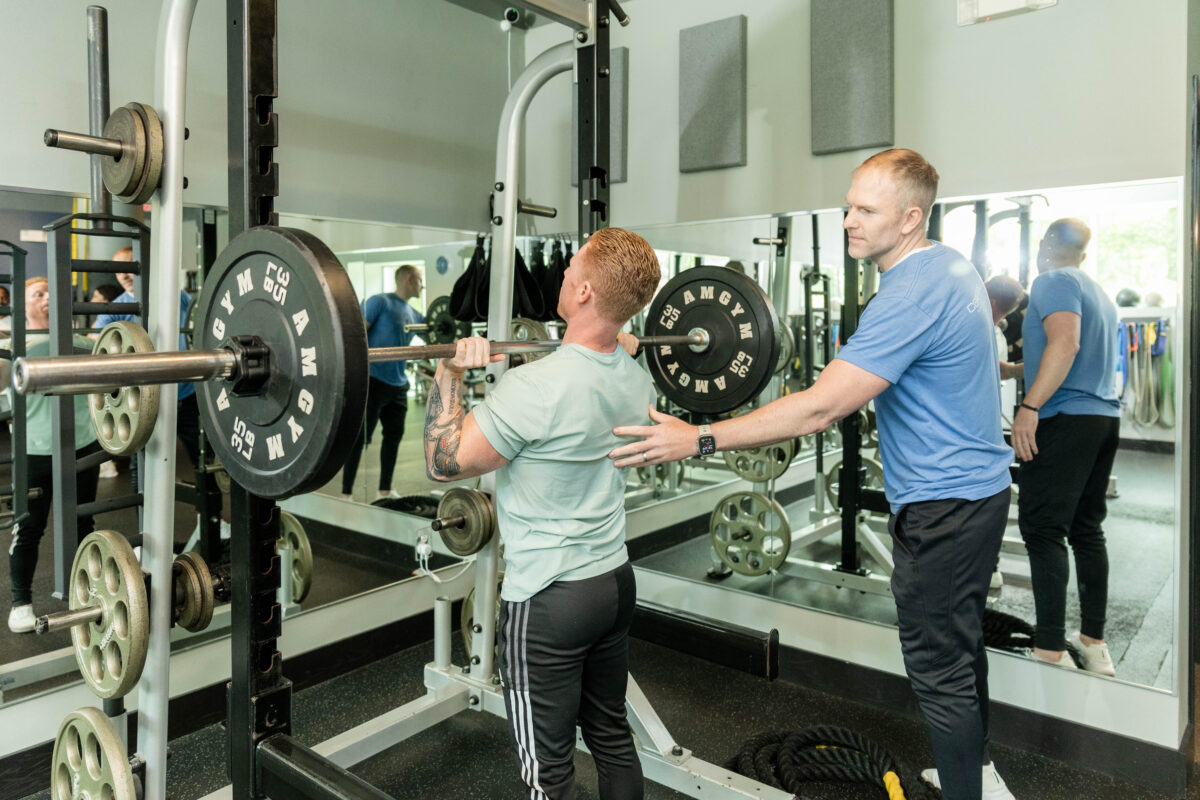
Positive Workout Environments Promote Fitness Long Term

A positive workout environment helps motivate you to keep going strong for the long hall.  Just as with any establishment, when you spend time in a place you enjoy that makes you feel comfortable and provides the results you are looking for, you tend to come back. This concept can be applied to restaurants, movie theatres and even the workplace.

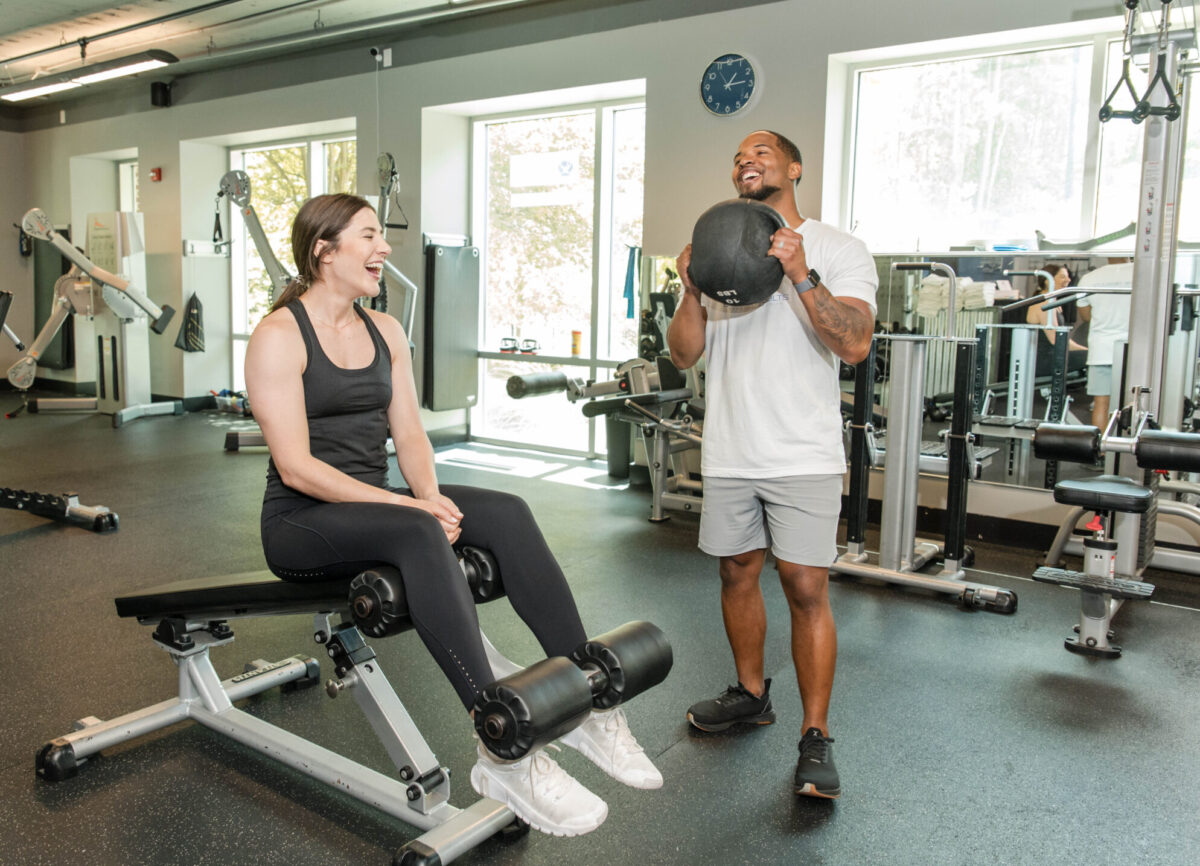
When it comes to exercise, much of what you accomplish depends on how comfortable you are with your surroundings. Your level of comfortability greatly impacts how often you work out, the duration of each session and whether you decide to stick with it for the long run. For the best results, consider these elements prior to choosing a personal training facility: the selection of the exercise equipment, the qualifications of the personal trainers and the quality of the space itself.

Selection of Exercise Equipment

By choosing a training facility with a wide selection of good quality equipment, you have the ability to engage in a broader range of exercise. When personal trainers have access to best in class equipment, sessions are always versatile. This is important for two main reasons.

  1. Versatile sessions hold your interest, making it more likely that you will stick to your exercise plan long term. Whether or not you are a creature of habit, if you can do your routine with your eyes closed, it is time to switch things up.
  2. Switching up your workout has major physical benefits as well. New workouts stimulate new muscle growth, helping you avoid the dreaded plateau. By exercising different muscles in different ways, the result is a stronger, more balanced body overall. Once additional strength is achieved, you are less likely to incur exercise related injuries and can more easily achieve your fitness goals.

Qualifications of Personal Trainers

The qualifications of the personal training staff also make a significant difference. Qualified personal trainers hold certifications from national accrediting agencies like the American Council on Exercise and the National Academy of Sports Medicine, are educated in the science behind exercise and nutrition, with degrees like Biological Sciences and Kinesiology and are extensively experienced in the field of fitness. Personal trainers often hold additional certifications, e.g. CPR Certified, Certified Strength and Conditioning Specialist and Corrective Exercise Specialist. They are also typically experienced in additional elements of physical fitness, like martial arts, weightlifting and sports conditioning, and bring their hands on experience to the table when helping clients achieve their fitness goals. When searching for a personal training facility, check the personal trainers’ qualifications to ensure their experience will meet your needs.

A Dedicated Space

Before settling on a personal training facility, check to make sure it has the amenities you are looking for. Common factors to consider include the quality of the equipment, any locker facilities, i.e. bathrooms, showers and your overall level of comfortability with the facility. By having a comfortable, well equipped space that is dedicated to working out with your personal trainer, you can focus more on achieving the results you want.

“The Core Results facility is always very clean and well-maintained, which has made for a nice environment to work out in.”

“I would highly recommend Core Results. Because they only open the gym to clients who are working with a trainer, the gym is never crowded. Since I’ve been working out there, I don’t think there has ever been more than 3-4 people working out at once.” Read more client reviews on our facilities.

At Core Results Personal Training, we understand the importance of being able to train in a positive, motivational environment and strive to provide just that. Visit one of our two studio facilities, located in Raleigh and Cary for total access to top of the line, best-in-class equipment and qualified trainers who will help you achieve maximum results.

Personal Trainers: Your Motivation for Success

When it comes to fitness, much of what we achieve depends on our mindset. We can all relate to that feeling of not really being in the mood to workout. Unless you know how to shake the inevitable lack of motivation that rears its head from time to time, it will likely result in missed days of physical activity, less achievement of fitness goals over time and a higher risk of dropping out of the race for the long run.

The Link Between Mentality & Performance

For the best workout performance, try exercising when your mental energy levels are high, i.e., you are feeling positive and energized.

Researchers have found a strong correlation between mental energy and exercise motivation. A study conducted by Ranjana Mehta, Ph.D. of Michigan Technological University examined workout performance of one group of individuals that simultaneously completed a mental task in comparison to a group that did not. The group that completed the mental task executed 25 percent less endurance performance and up to anywhere from 10 to 66 percent less strength performance compared to those who had not. This indicates that mental fatigue has a direct, immediate impact on workout performance.

The Role of Self Perception

Studies also indicate that much of exercise motivation is linked with exercise identity. In other words, those who do not see themselves as exercisers tend not to exercise regularly, while those who do view themselves as physically active tend to be more physically active. Those who are encouraged to engage in competitive play at a young age tend to identify themselves as someone who enjoys exercise.

Next time you feel a lack of motivation, try visualizing yourself as a physically active person. This visualization will help motivate you to stay on track.

Find Your Motivation

An online survey of more than 500 participants identifies the following as common exercise motivators:

  • Setting a personal record
  • Working out with a friend
  • Monitoring progress on a fitness app

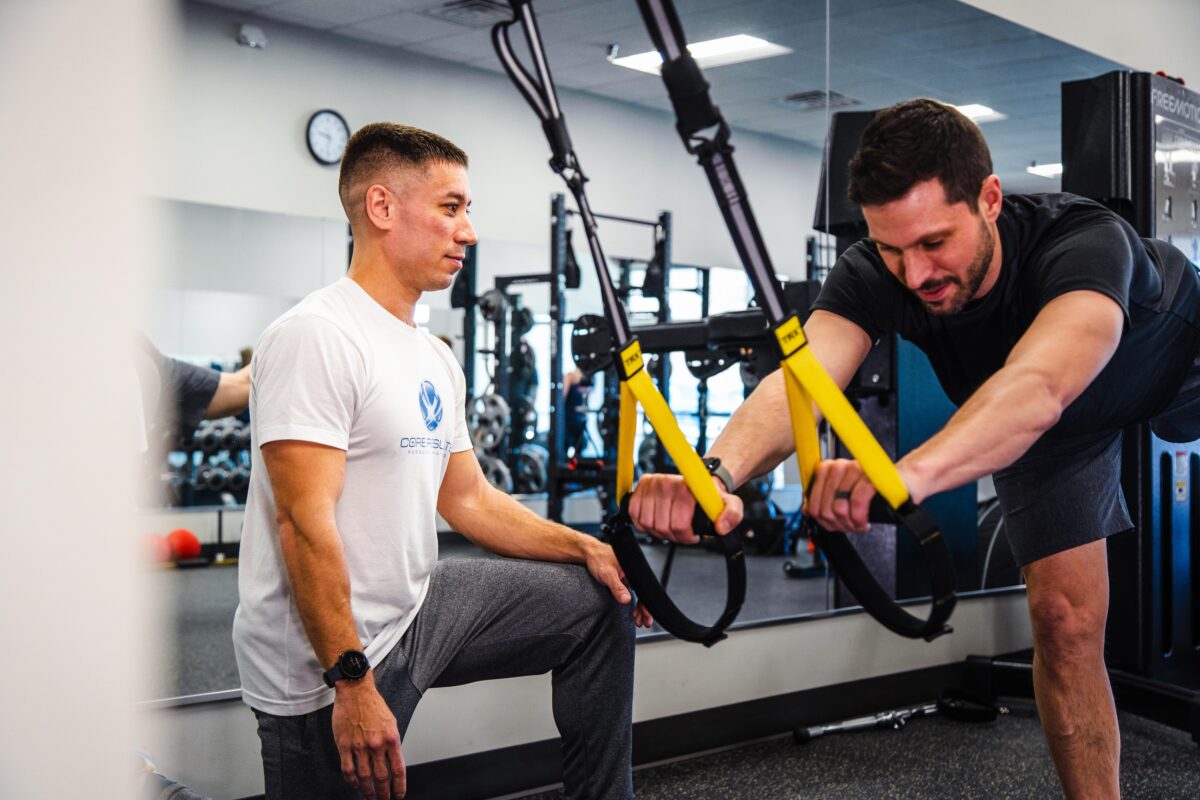
No matter what your motivation is, personal trainers can help keep you on track when the going gets tough. A large part of a personal trainer’s job is to keep the client motivated and engaged. The personal trainers at Core Results do just that.

“From my initial assessment, through today, Aaron has kept me motivated and on track. He has a great ability to understand the feelings behind weight loss and a desire to live a healthier life…Aaron also keeps me motivated and striving for improvement” – Melissa Bardsley. Read more reviews from our clients at Core Results Personal Training.

Stay motivated and reach your fitness goals with personal training for strength building and weight loss. Contact Core Results for your first FREE consult today!
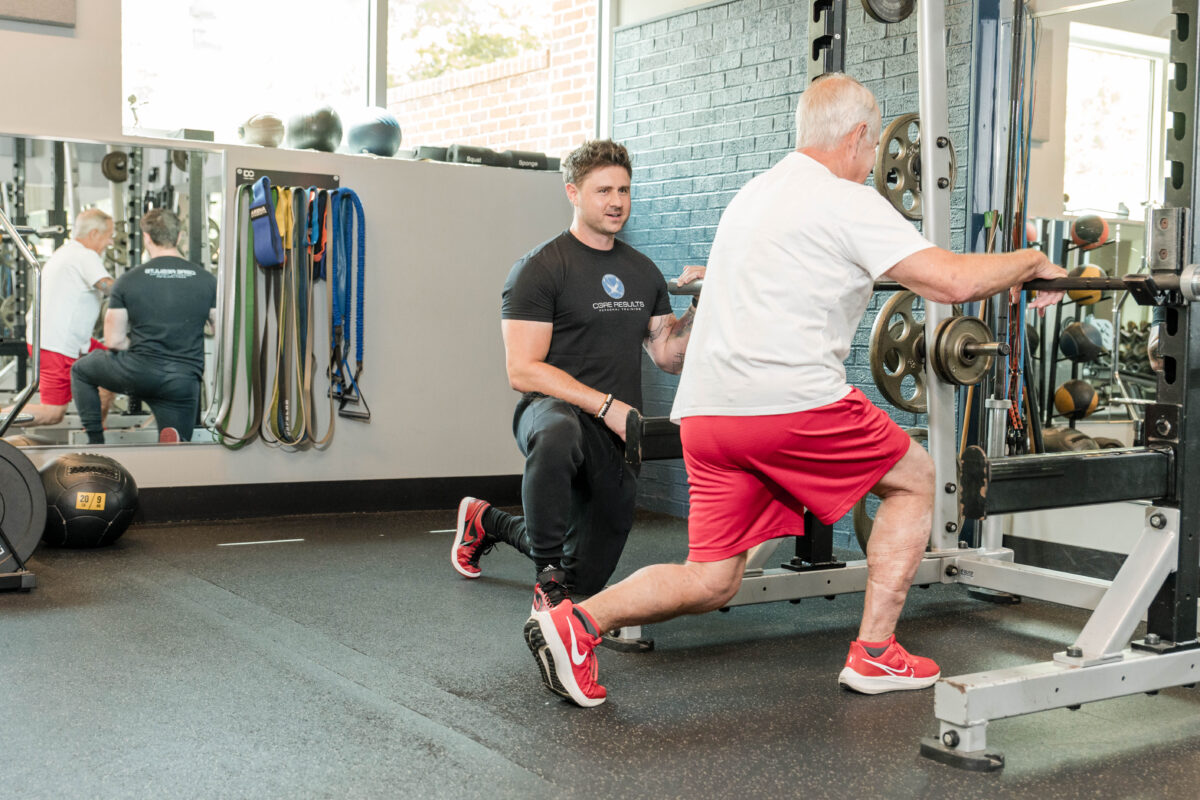
Corrective Exercise for Widespread Musculoskeletal Pain

When we move incorrectly, we tend to overuse certain muscles and underuse others, resulting in bodily imbalance. You do not necessarily need to be a fitness enthusiast to overuse or underuse a certain muscle. The bodily imbalance that calls for corrective exercise can stem from inactivity just as much as over activity.

Bodily Imbalance Is Widespread

The inactive lifestyle that most occupations and hobbies entail has contributed to an overly sedentary U.S. population. With the average person spending over ten hours each day in a sedentary position looking at a computer, TV or handheld device, it is no surprise that so many people suffer from postural imbalances.

Recent research even links average daily smartphone use with chronic health implications. Researcher and exercise physiologist Nathaniel Melendez of Orlando Health system explains, “people don’t realize the strain they’re putting on their body when it is not aligned correctly, or just how far corrective exercises and daily adjustments can go toward improving pain and postural issues.”

Corrective Exercise Helps Restore Balance

Essentially, corrective exercise is the method of training your body to move correctly. Most incorrect movements are done subconsciously. Therefore, the first step of corrective exercise is to identify and build awareness surrounding incorrect movements, body positions and postures.

Corrective exercise include drills and stretching methods to strengthen weaker areas and balance the body overall. Once the body is balanced, individuals generally experience a great reduction in aches and pains when completing everyday movements.  

Corrective exercise helps:

  • Build awareness of posture and body movements that you make throughout the day
  • Alleviate musculoskeletal pain
  • Improve postural issues, balance and movement problems
  • Create a balanced, high functioning body
  • Boost strength and fitness overall
  • And avoid future injury, keeping you on track with your fitness plans.

Corrective exercise is meant to be temporary, designed to strengthen or correct the weakened area. Once the area is balanced, you can skip the corrective exercise and continue on your regular exercise plan.

When you come to Core Results Personal Training for corrective exercise, your personal trainer will start with an analysis to identify any problem areas then develop an exercise program tailored to your individual needs. The difference in how our clients feel post corrective exercise is so positive that most people continue regular training even after their bodies are balanced. One: because they feel better, and two: because they don’t want to go back to the way they felt before. Visit our client testimonials page to learn more about the results you can expect to achieve at Core Results.

How Often You Need to Workout for Optimal Results

Alternating between cardio and strength training exercises helps provide the variety you need for success. When developing an exercise plan, one of the main elements to consider is how often you will be working out as well as the duration of each session. There is no one size fits all solution. How much exercise you really need depends on your individual workout goals.

Most exercise plans recommend a minimum of five sessions of 30-minute moderate to vigorous cardio workouts and at least two sessions of strength training each week. The right amount for each individual varies depending on their goals, workout intensity and current fitness level, e.g., beginner, intermediate or expert.

Rest days are essential for muscle and mental recovery between workout sessions. Taking time off from exercising not only gives your muscles a chance to recoup but also gives you a mental break so you can recharge and return that much more dedicated to the cause.

Think about it. After a weekend away from the job, don’t you feel more refreshed when you go back to work? The same concept applies to exercise. How long you need to rest depends on the intensity of your workout sessions.

A recent study on Olympic rowers found a significant reduction in bone building protein and an increase in painful inflammation during periods of non-stop training versus periods with rest days built in. This, among other research findings, demonstrates the detrimental effects that can occur when rest is not incorporated into vigorous exercise plans.

More intense workouts require more rest in between sessions, while some forms of moderate exercise can be carried out on a daily basis without consequence.

Light physical activities, such as walking or stretching, can be incorporated into rest days. Most personal trainers recommend at least one full day of rest for all exercise plans. When making an exercise plan, strategically plan your days of rest to occur after your more intense workout days, e.g. max out days, race days and other days of high performance activity.

One thing to keep in mind is that a day of rest for one muscle group doesn’t necessarily mean you have to rest from working out altogether. By including exercises that work different muscle groups throughout the week, you can avoid overuse of the same muscles and reduce the risk of injury, all while obtaining the full body results you are looking to achieve.

Also remember to switch things up. Whether you are aiming to lose weight or build strength, you can avoid reaching the dreaded plateau by switching up your workout frequency. Replacing a long distance run with short intervals, for example, will significantly shorten your exercise time. The time you gain from alternating your workout can then either be applied to another focus area or used for much needed rest.

At Core Results, our personal trainers will work with you to best determine your workout frequency and duration, check your progress and mix it up as needed for optimal results. Contact us for your first FREE session today!

3 Reasons Why You Want to Switch up Your Workout Routine

Switching up your workout routine not only boosts new muscle growth but also helps keep you in the race for the long run. Let’s face it, we are creatures of habit. Once you find a couple of exercises that you enjoy, it is all too easy to get into a workout groove where you do the same movements over and over. While we all need regular exercise, it is important to remember to switch up your workout routine for optimal results.

Variety Holds Interest

Fitness takes commitment. If you do the same workout every time, you will see fewer results and lose drive. The likelihood of continuing an exercise plan for the long hall is significantly greater when you switch up your workout routine. Simple changes, like adding speed intervals to your regular pace, will leave you feeling invigorated and pumped for the next challenge. 

Results All Around

If you are looking for full body results, it is essential to include a variety of exercises that will strengthen muscles that you do not ordinarily use. Even muscles that you do use regularly reach a plateau if you are working them in the same way every time. When it comes to strength training, you can switch it up by changing your weightlifting frequency, the number of sets and reps you do and the amount of weight you use.

Reduced Risk of Injury

Working out the same muscles repetitively over a period of time can also result in muscular imbalances. This creates a higher risk of injury, particularly when taking on a new physical activity that requires the use of the weaker or shortened muscles. Joints movement is also significantly limited: an additional risk for injury. When runners, for example, are quad dominant, the hamstring muscles shorten. As a result, both the weakened hamstring and knee are more vulnerable to injury.

The risk of developing repetitive strain injury can also be avoided by switching up your routine. As it sounds, this type of injury occurs when you do the same motion repetitively for an extended period of time. Overuse of muscles and tendons result in the gradual development of symptoms like pain, stiffness and weakness. Athletes, manual laborers and others who use the same muscles to perform a task on a regular basis, can avoid incurring this type of injury by including exercises that strengthen the stabilizer muscles. 

Whether strength training at the gym or hitting the trail, it is important to mix up your workout routine for maximum results. When you work with a personal trainer, coming up with new workout routines will be a struggle of the past. Your trainer will work with you to identify the results you are looking to achieve and develop a versatile exercise plan custom tailored to you.

Exercise Can Significantly Boost Your Recovery Post Injury

When one area of the body is injured, it is important to strengthen supportive muscles in addition to rebuilding those that have been damaged or weakened from inactivity overtime. With a post injury exercise plan tailored to your needs, personal trainers can help you re-establish full range of motion, strength and flexibility.   

The Importance of Movement Post Surgery

Injuries resulting in surgery require a thorough exercise program for full recovery. Controlled exercise in the immediate post-operative period greatly reduces the likelihood of developing contractures, or permanent shortenings of your muscles or joints. Muscles and joints tighten and harden up in response to surgery, replacing elastic tissues with inelastic ones. The build up of these new stiff tissues around joints and muscles can result in joint deformities and in some cases a complete loss in range of motion. The sooner you can move post surgery, the better.

Post Injury Exercise Calls for a Professional

Post injury exercise can be harmful to the body if not done correctly. Even professional athletes and seasoned fitness enthusiasts can compromise recovery or cause new injury without a solid post injury exercise plan in place.

  1. First, consult with your physician to ensure you are ready.
  2. Next, you will want to work with a personal trainer who is experienced in rehabilitation exercise and injury prevention.

Your personal trainer will work with you to identify primary and supportive muscles that need to be strengthened, then design an exercise plan to re-establish full range of motion, so you can get back into the swing of things. Stronger joints and muscles also boost your body’s ability to manage pain, further accelerating your recovery post injury.  A systematic review of the effects of exercise on pain management found that increasing the strength of deep abdominal muscles and improving the stabilization of the spine is effective, reducing lower back pain in some cases by up to 20%.

Another advantage of working with a personal trainer is that he or she will see you through each step of the process, carefully monitoring your progress, making sure you reach each goal safely and preventing further injury along the way.

Common injuries are knee, back and shoulder related. Although these are common, each injury is unique, requiring a specific exercise plan tailored to the individual needs of the client. There are two main points personal trainers take into consideration when working with clients post injury:

  1. Injury specifics (location of damaged muscles, supportive muscles, joints and connective tissues, pain points, etc.) &
  2. Level of training of the client

It is important for individuals to remember they cannot jump right back into where they left off prior to the occurrence of injury. Building back strength to full recovery takes time. Those who understand this from the get go are more likely to follow through with post injury exercise plans.

“I am a runner and suffered a series of hamstring injuries in both legs which severely curtailed my running for more than 2 years. As a result of the workouts with Chris at Core Results, I see significantly increased strength and flexibility. I have been able to steadily lengthen my runs and I recently completed the ATT 10 miler.” Core Results personal trainers are highly experienced in post injury exercise and prevention, designing post-rehab programs that take clients from functional to exceptional. Read more reviews from clients who have turned to Core Results Personal Training post rehabilitation here.

Exercise for a Better State of Mind

Mental health impacts more than just our inner sense of well-being. A poor state of mind can wreck havoc on your sleeping habits, lower your immune system and even reduce your ability to manage pain. Behavioral health conditions like anxiety, work induced stress and depression are widespread. According to a 2018 SAMHSA survey, one in five U.S. adults experience a mental health condition each year.

Mounting evidence shows a strong correlation between increased physical activity and improved mental health. We’ve all experienced that great feeling of finishing a difficult set, reaching a fitness goal or running until we burn our calories for the day. Beyond the instantaneous mental high you feel when you workout, scientific evidence suggests exercise actually increases our ability to retain information and significantly reduces levels of stress and anxiety.

A Workout to Remember

Exercise reduces insulin resistance and inflammation and stimulates the release of chemicals promoting brain health and growth. Countless studies show our ability to retain information significantly improves after engaging in exercise. Others indicate regular exercise increases brain size overtime.

Astonishingly, study participants who walked at a fast pace for one hour twice a week over a span of six months experienced an increase in the volume of certain brain regions. Aerobic exercises, specifically, were associated with an increase in the size of the hippocampus, the part of the brain that processes verbal memory and learning.

Less Stress

Regular participation in aerobic exercise is associated with decreased levels of tension and a more stabilized mood. When we exercise, our stress hormone levels, like adrenaline and cortisol, go down, resulting in a state of relaxation. At the same time, our norepinephrine concentrations go up. These are naturally occurring chemicals in our bodies known to elevate mood and improve pain management.

A randomized controlled trial analyzing the impact of stationary cycling on patients with symptoms of post traumatic stress disorder found an overwhelming number of participants, (90%!), experienced significant reductions in PTSD severity after just two weeks of exercise.

While the prevalence of behavioral health conditions is widespread, regular exercise can help reduce symptoms and give you the tools you need to better manage them. Say goodbye to daily stressors, sleep better and boost your confidence with personal training tailored to your fitness needs. At Core Results, we have designed a private studio space and working environment that fosters positive, supportive relationships between each trainer and their clients. Never worked with a personal trainer before? Learn more about what to expect.

BCAAs Fact or Fiction: What Does the Science Say

Nutrition is the other major component of healthy living. Most fitness enthusiasts achieve the results they are looking for with a well-balanced exercise plan and diet.

For serious fitness enthusiasts or those looking for an additional push, supplements can help you reach that next level. Individuals who are dieting to slim down in some areas but wish to maintain their hard earned muscle mass, for instance, may find some benefits in supplementing. There is good science that shows BCAAs can do just that. 

Branched Chain Amino Acids: What’s Your Function?

BCAAs are your essential amino acids:

  • Valine,
  • Isoleucine and
  • Leucine.

When consumed, BCAAs stimulate muscle protein synthesis, i.e., the muscle building process. We naturally consume BCAAs in foods that are rich in protein like whey, milk, soy proteins, animal proteins, beans, chickpeas and lentils. Increased BCAA levels are associated with a reduced rate of protein breakdown and lower feelings of fatigue during exercise.

A topic of debate, many researchers have set out to shed further light on the effectiveness of BCAA supplementing. A study published in the International Journal of Sport Nutrition and Exercise Metabolism examined the effect of BCAA supplementation on post workout muscle soreness. The study compared two groups, one who ingested BCAA supplements and one who did not. Both groups performed 7 sets of 20 squats with 3-min intervals between each set. Findings revealed those who consumed the supplement experienced significantly less muscle soreness. In addition, those who did not supplement demonstrated a notably higher decrease in muscle force two days after the exercise was performed.

When it comes to workout nutrition, there is no “one-size fits all” solution. While BCAA supplementation has been shown to further boost muscle production, most people can get the results they are looking for with a well-balanced exercise plan and a healthy diet. That’s where personal training comes in. With your goals in mind, our team of personal trainers will analyze your current nutritional intake and help you determine whether BCAA supplementing may be right for you. Get started. Contact Core Results Personal Training today!